Constraint and the Infinite: The Appeal of Opposites
Interview and text: Ayaka Fujita (ARTerrace)
How Noriko Tsuiki met Kokura-ori
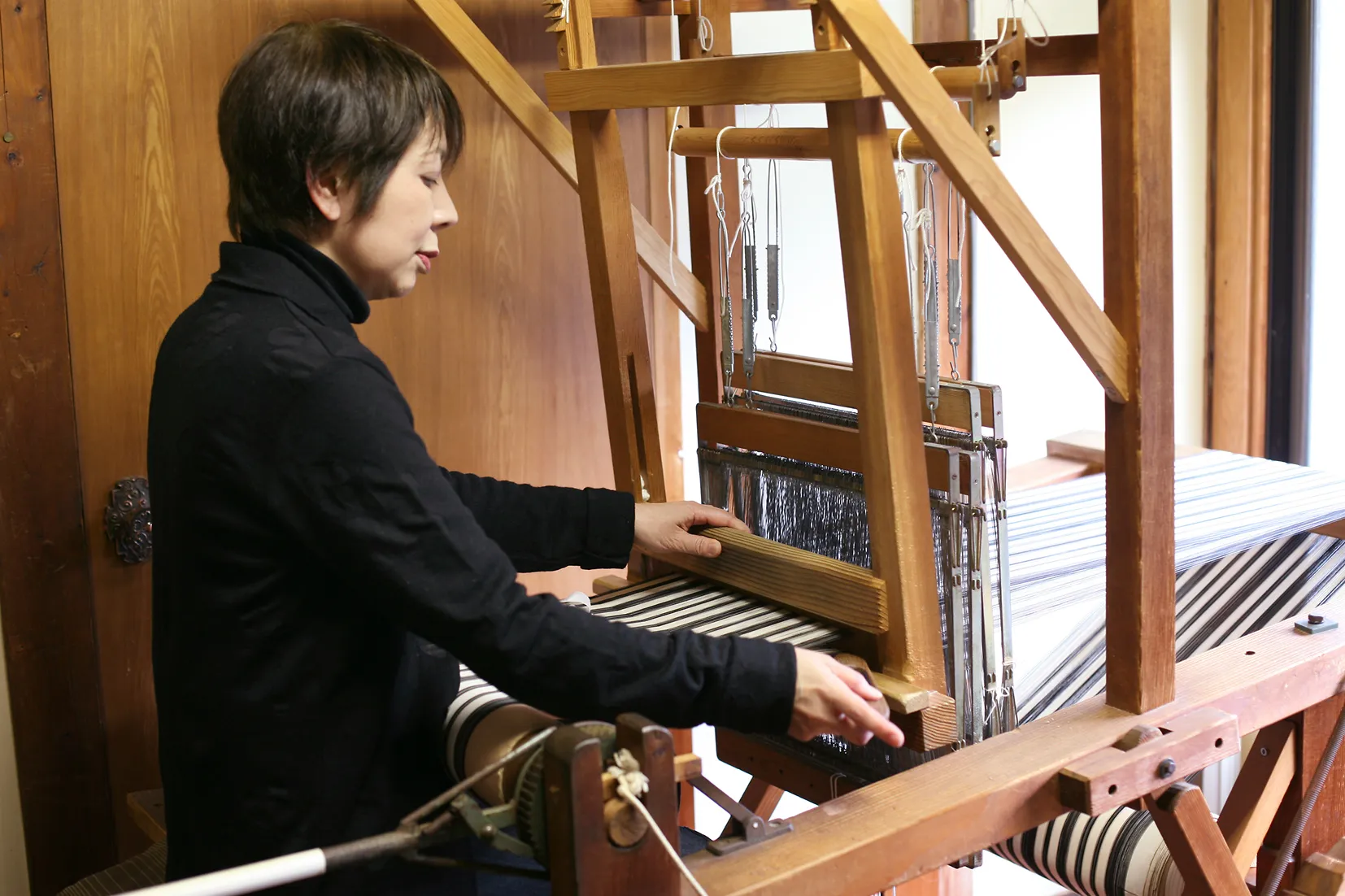
She had entered Waseda University intending to study literature, but those were the years of the campus protests. With classes cancelled one after another, she visited a Noh theatre, and the extraordinary quality of the place and the beauty of the costumes worn by the performers took hold of her. Her ambitions to become a journalist or an editor gave way to costume, and then to textiles.
“I was moved that people hundreds of years ago had made costumes so beautiful, and I wanted to make them too. So I changed course from amu, to compile and edit, to oru, to weave,” she says, laughing.
Later, while weaving tsumugi cloth herself, she felt a growing wish to “bring out the colour of the warp more strongly,” in contrast to tsumugi, which is finished in a woven colour where warp and weft intermingle. It was then that she happened upon a remnant of “Kokura-ori” in an antique shop—a textile that had once existed in her native Kitakyūshū.
“To think that the cloth I was looking for existed in the very place I was born. It was a truly fortunate encounter.”
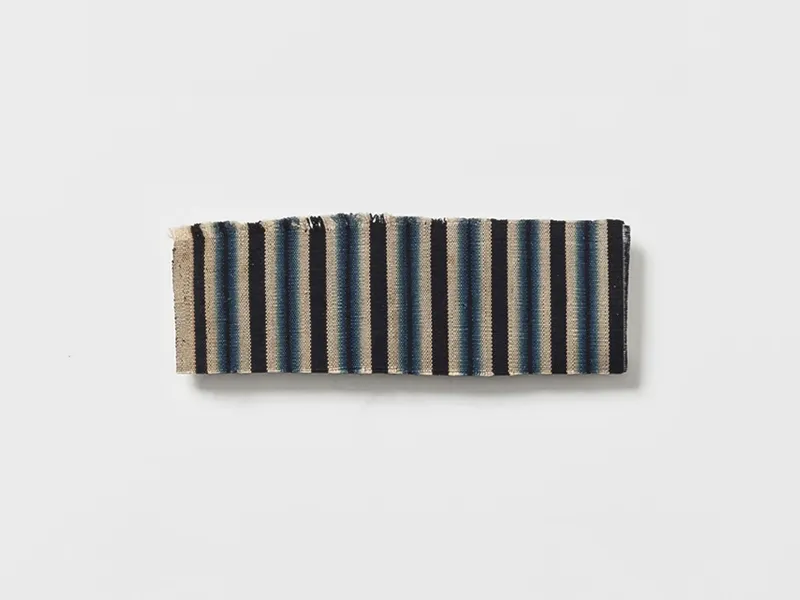
Celebrated for a durability said to turn aside even a spear, Kokura-ori had been used chiefly for samurai hakama and for the uniforms of male students. On investigation, however, she found that it had been driven out by mechanised production and had died out in the early Shōwa period. From here, Tsuiki set about reviving Kokura-ori. And what she aimed at was not a faithful reproduction of the Kokura-ori of that time.
“Shima” means lines
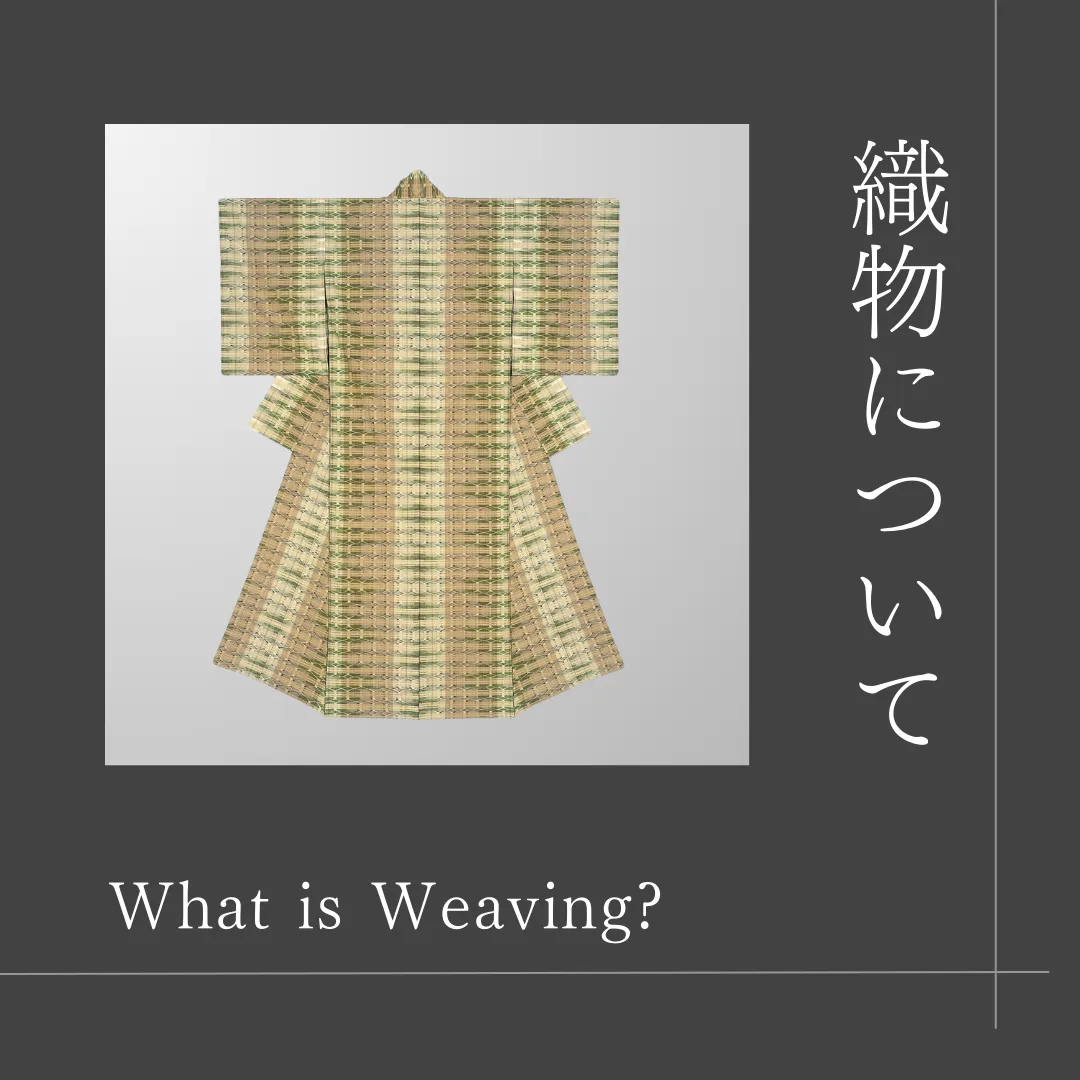
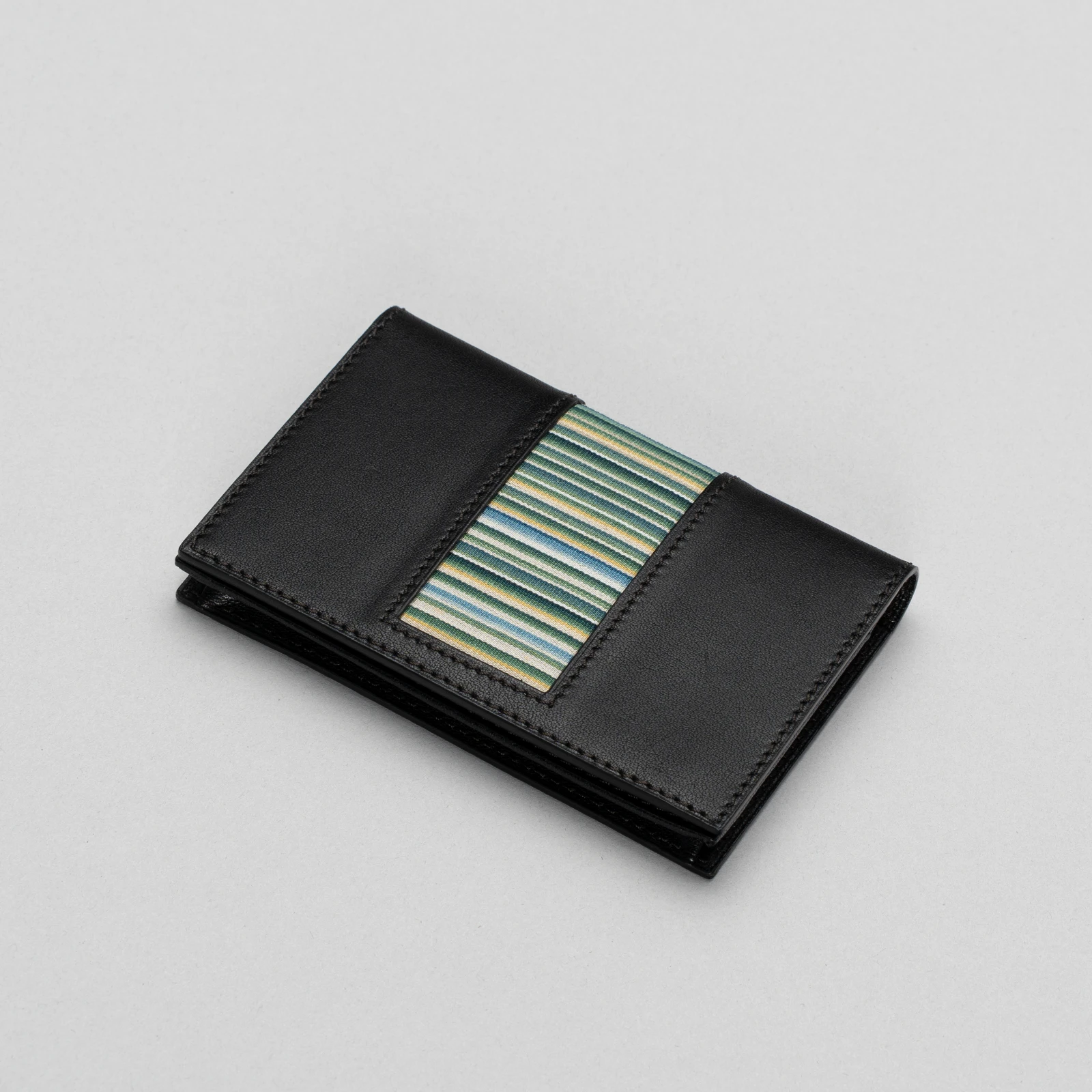
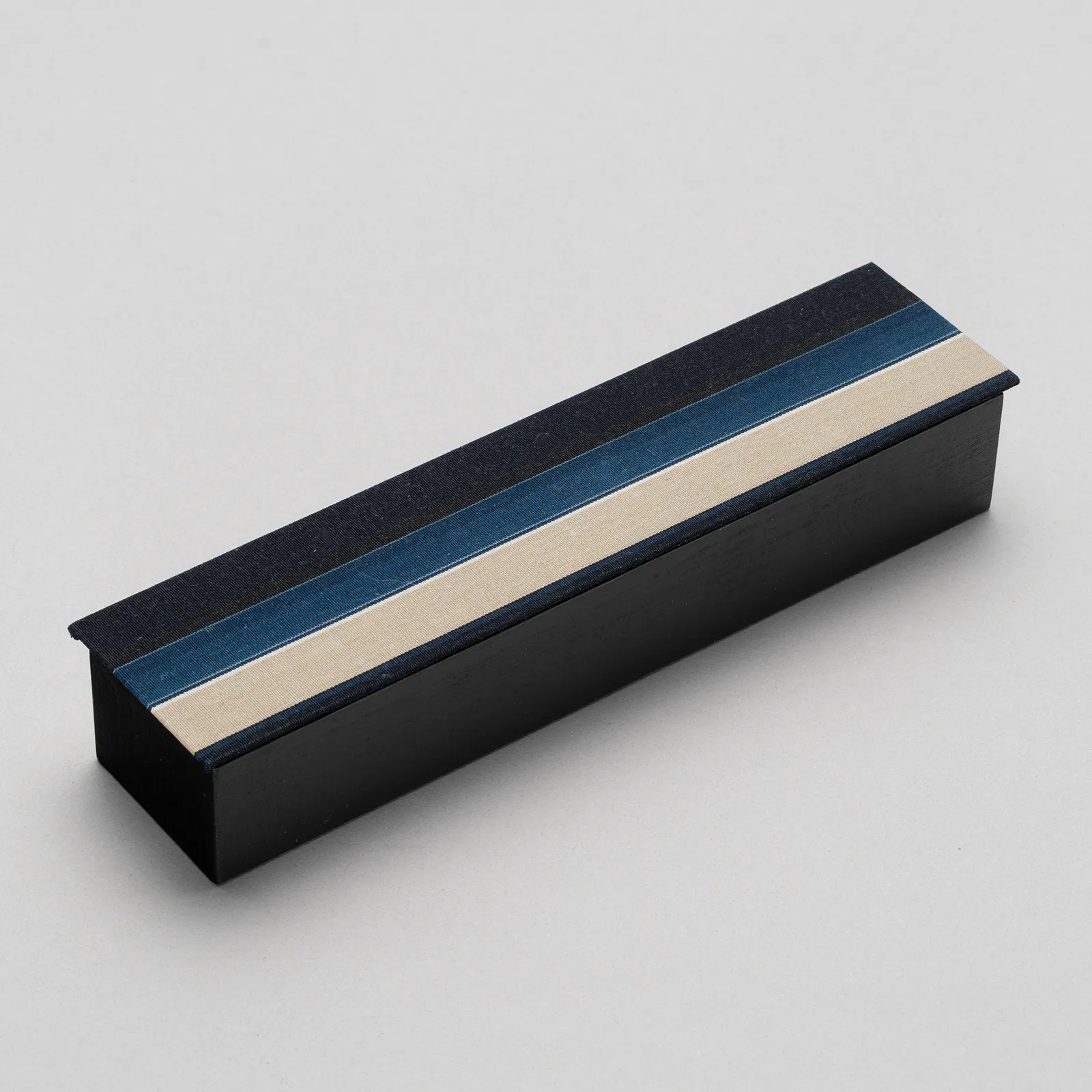
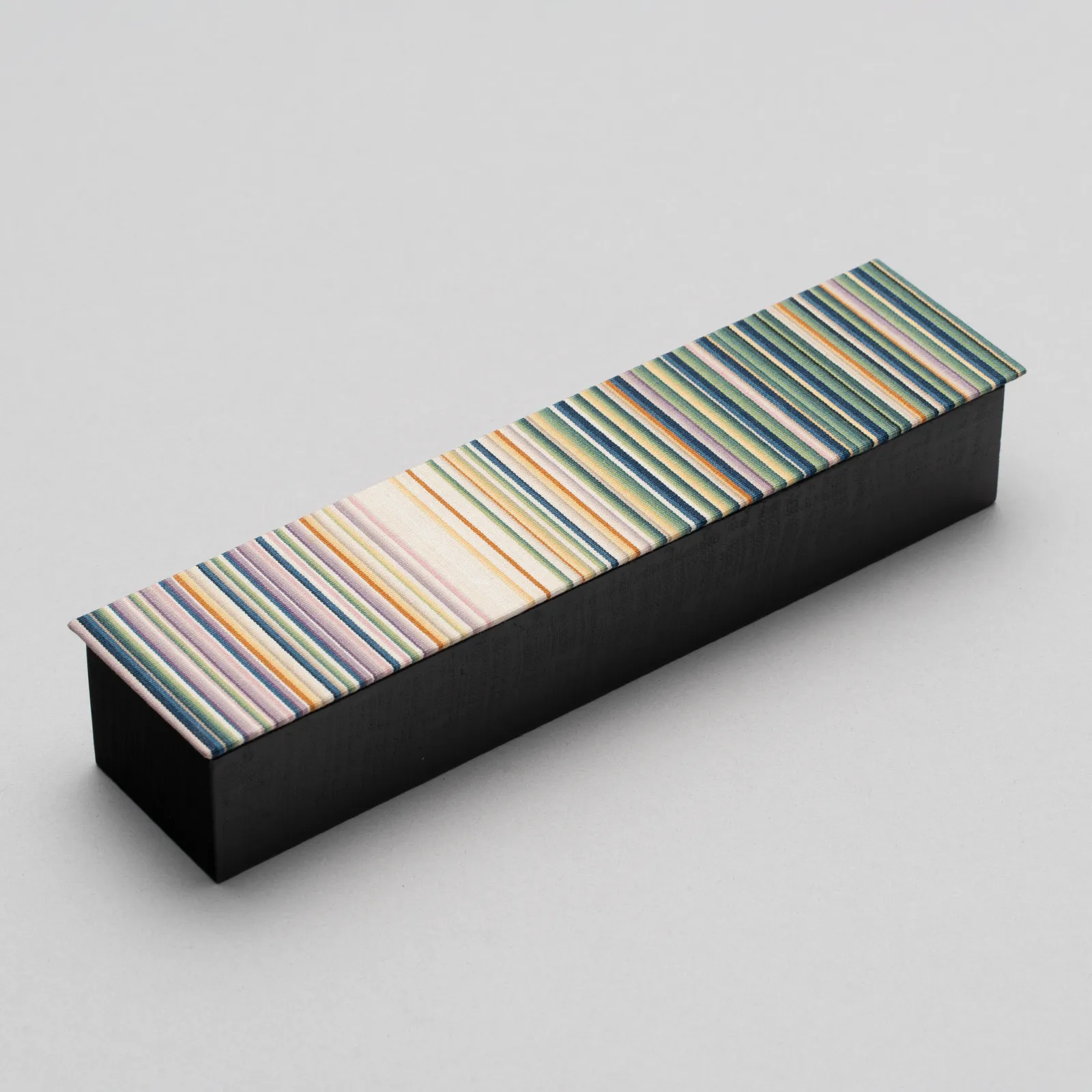
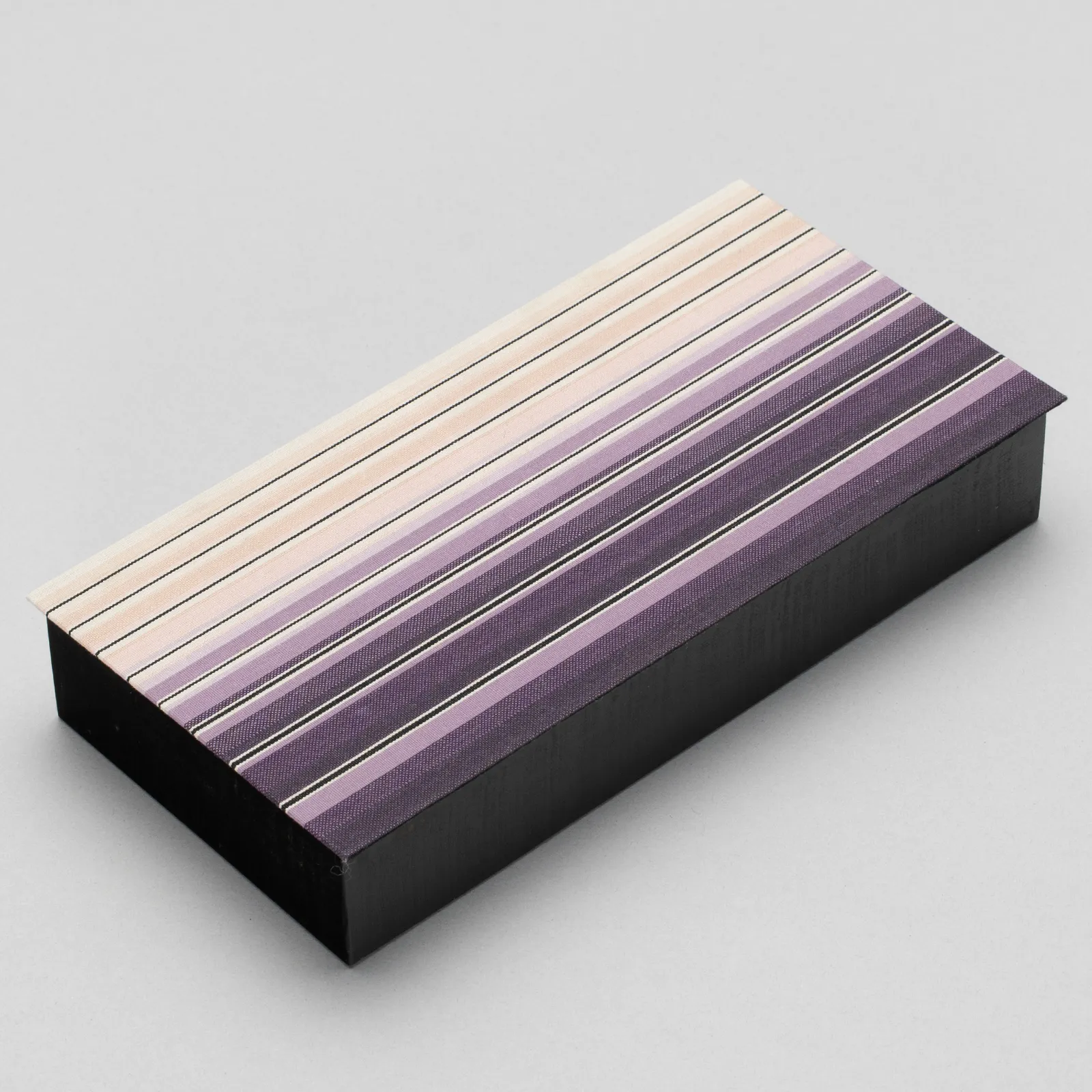
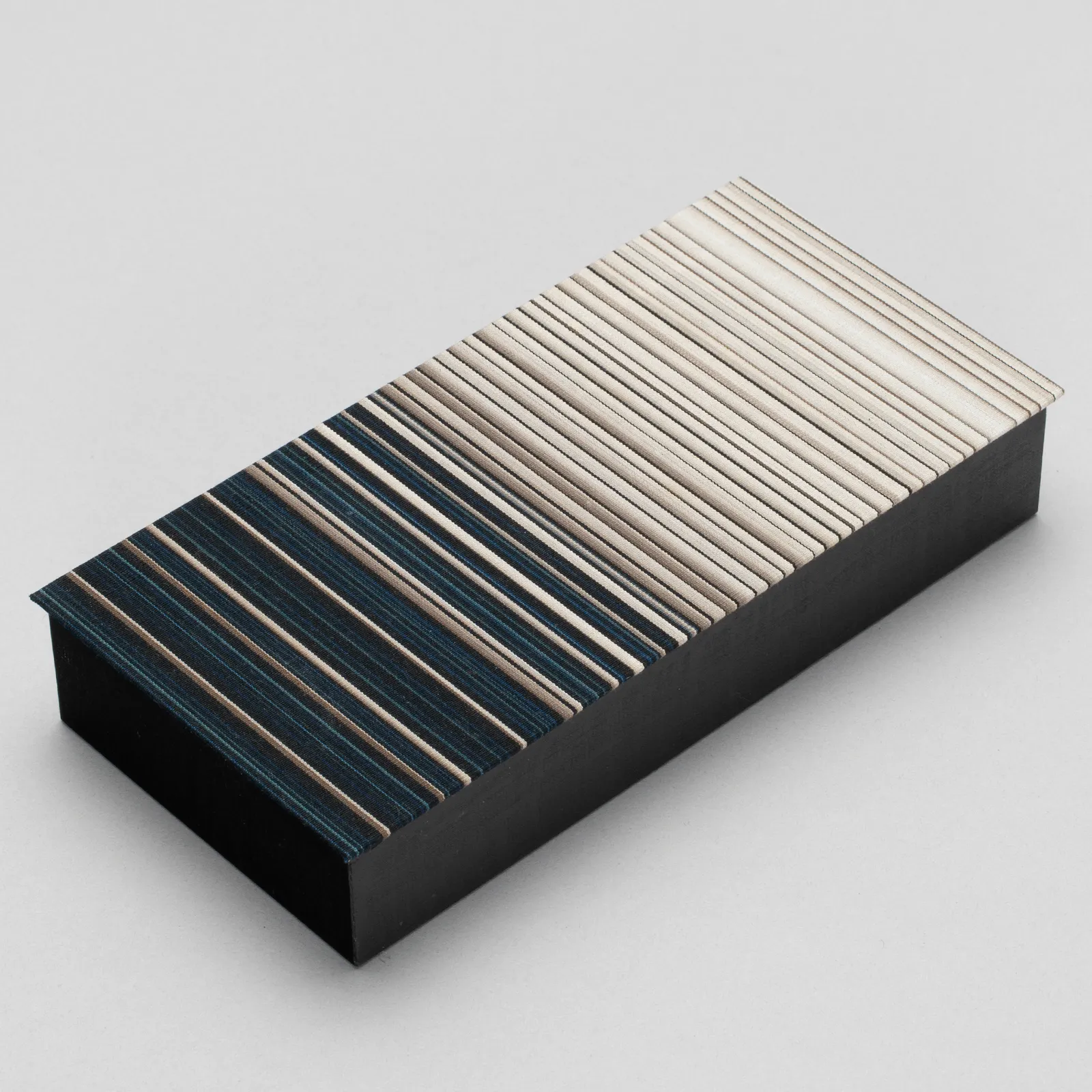
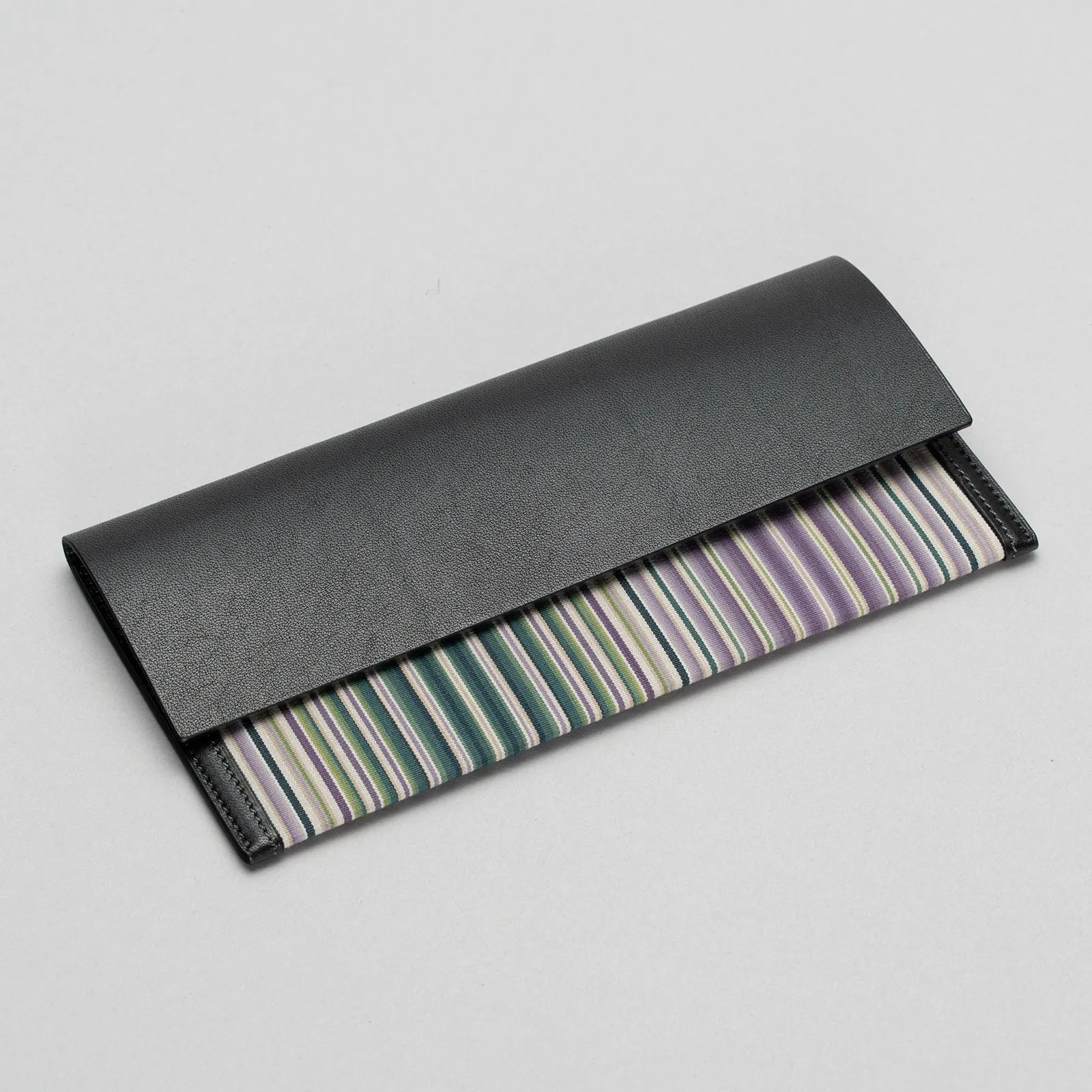
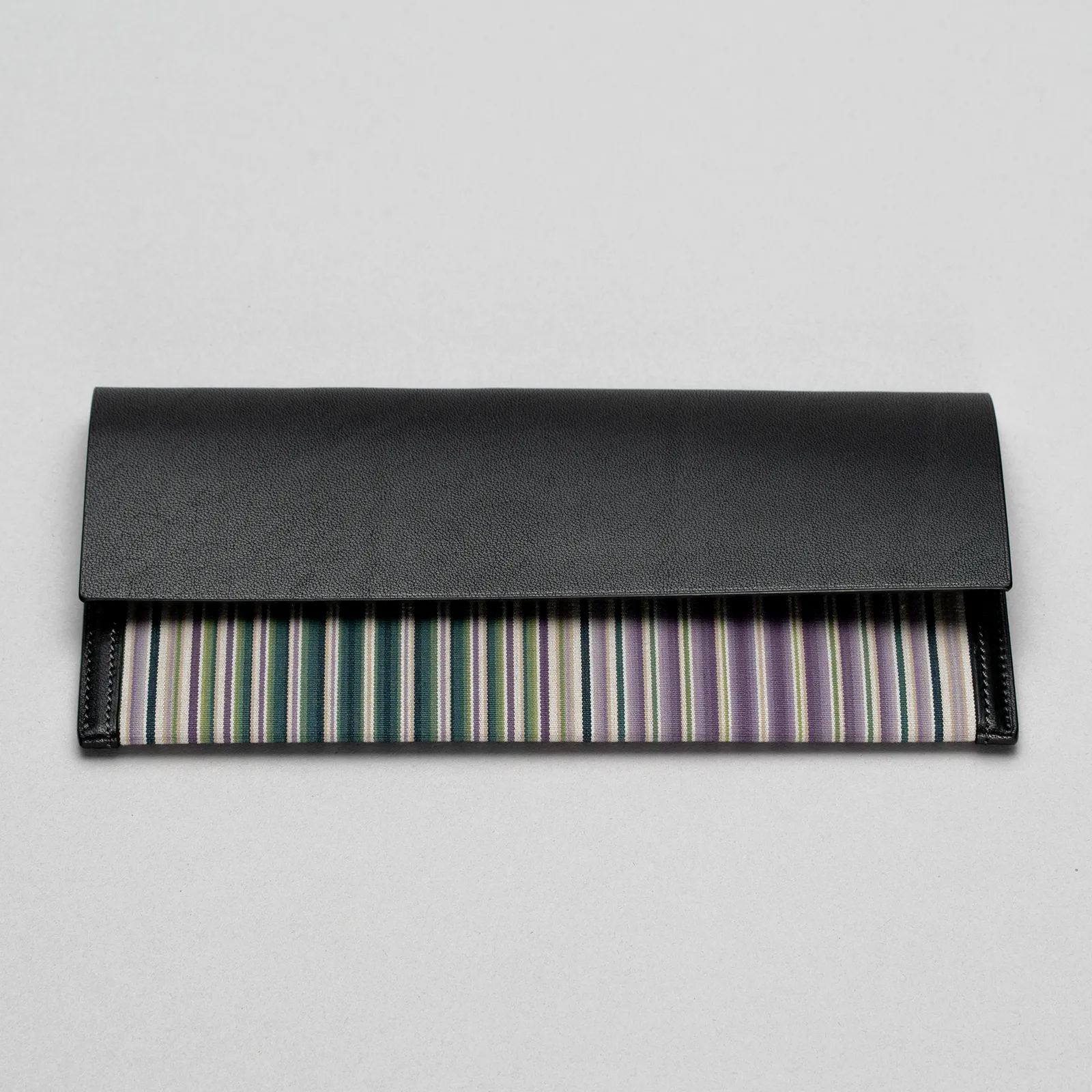
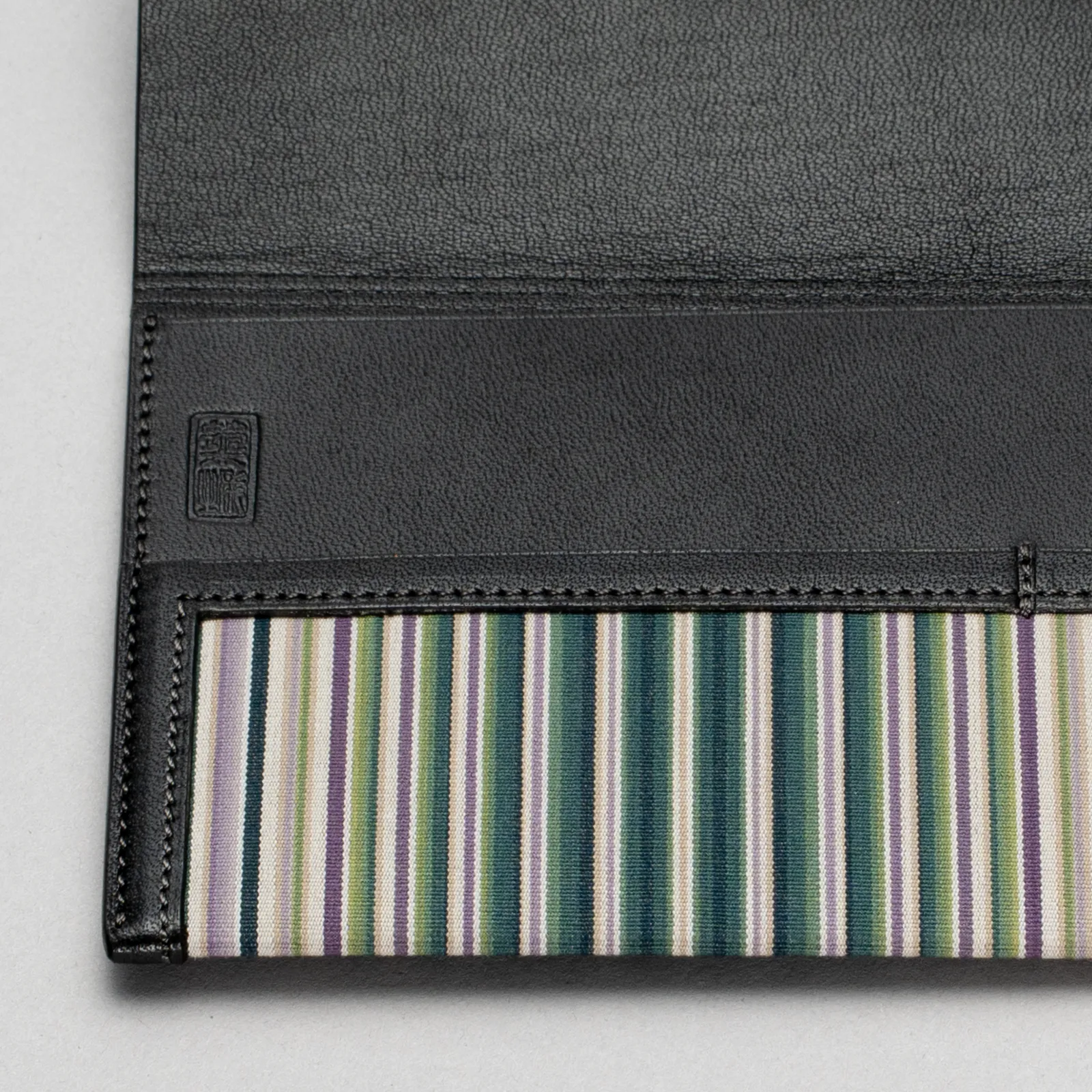
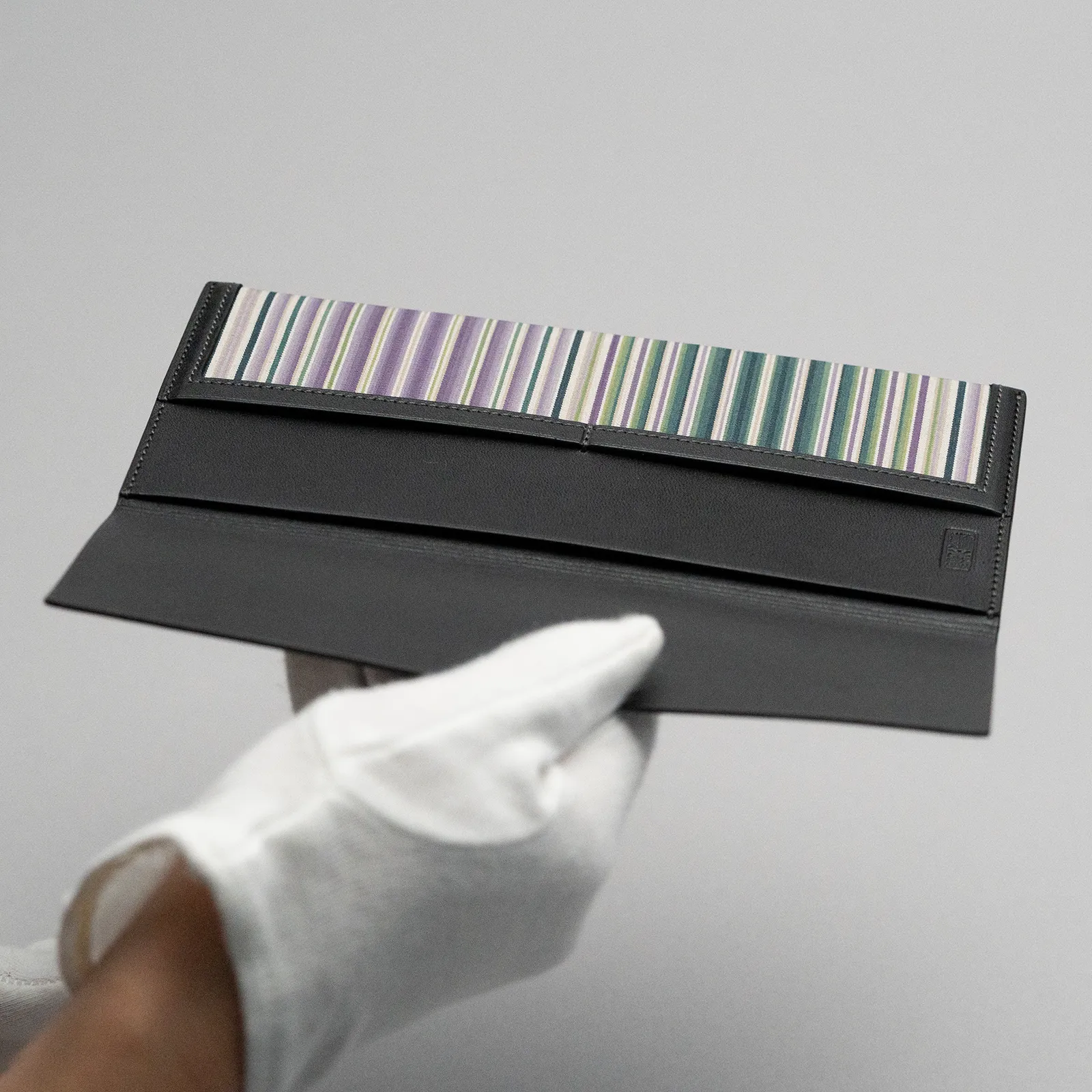
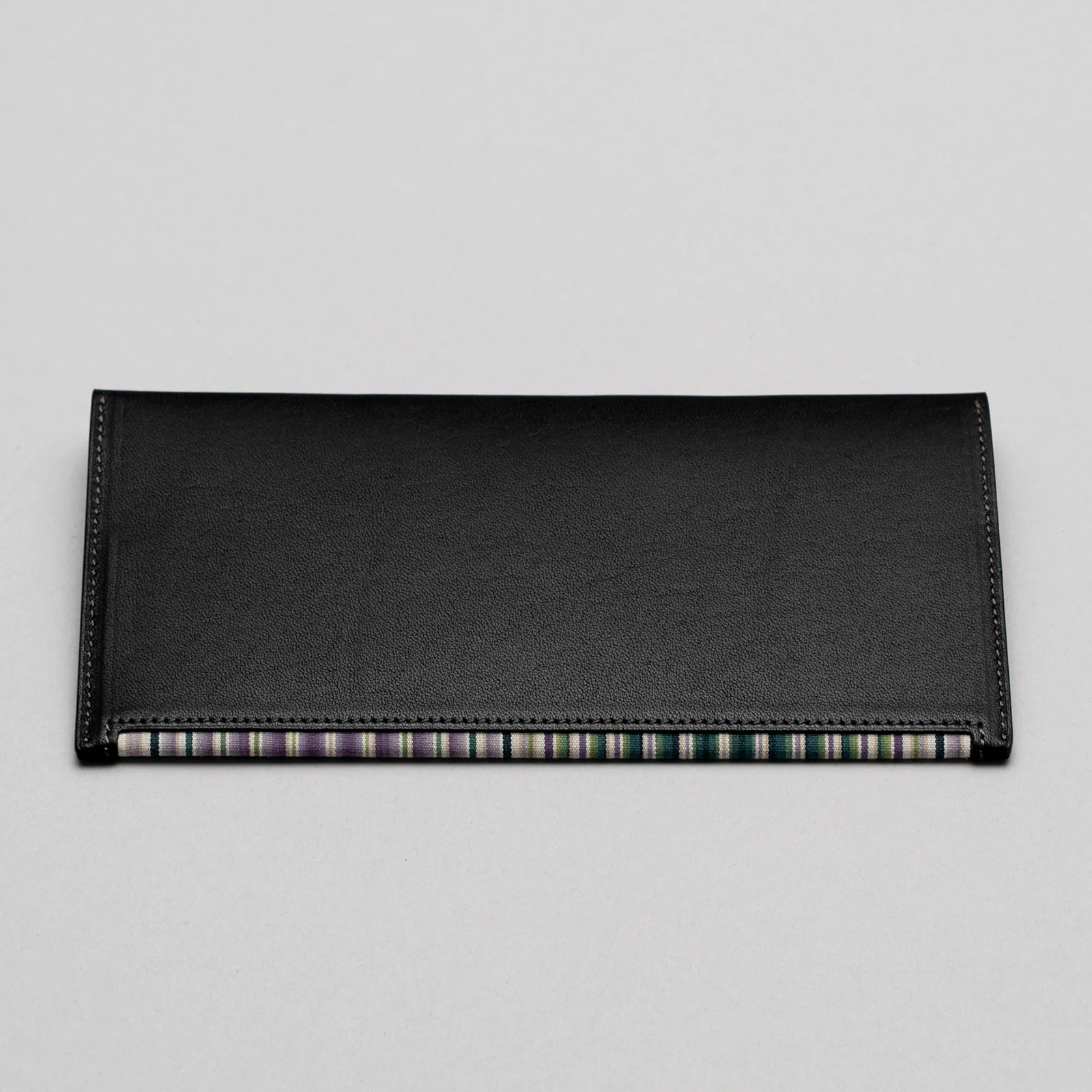
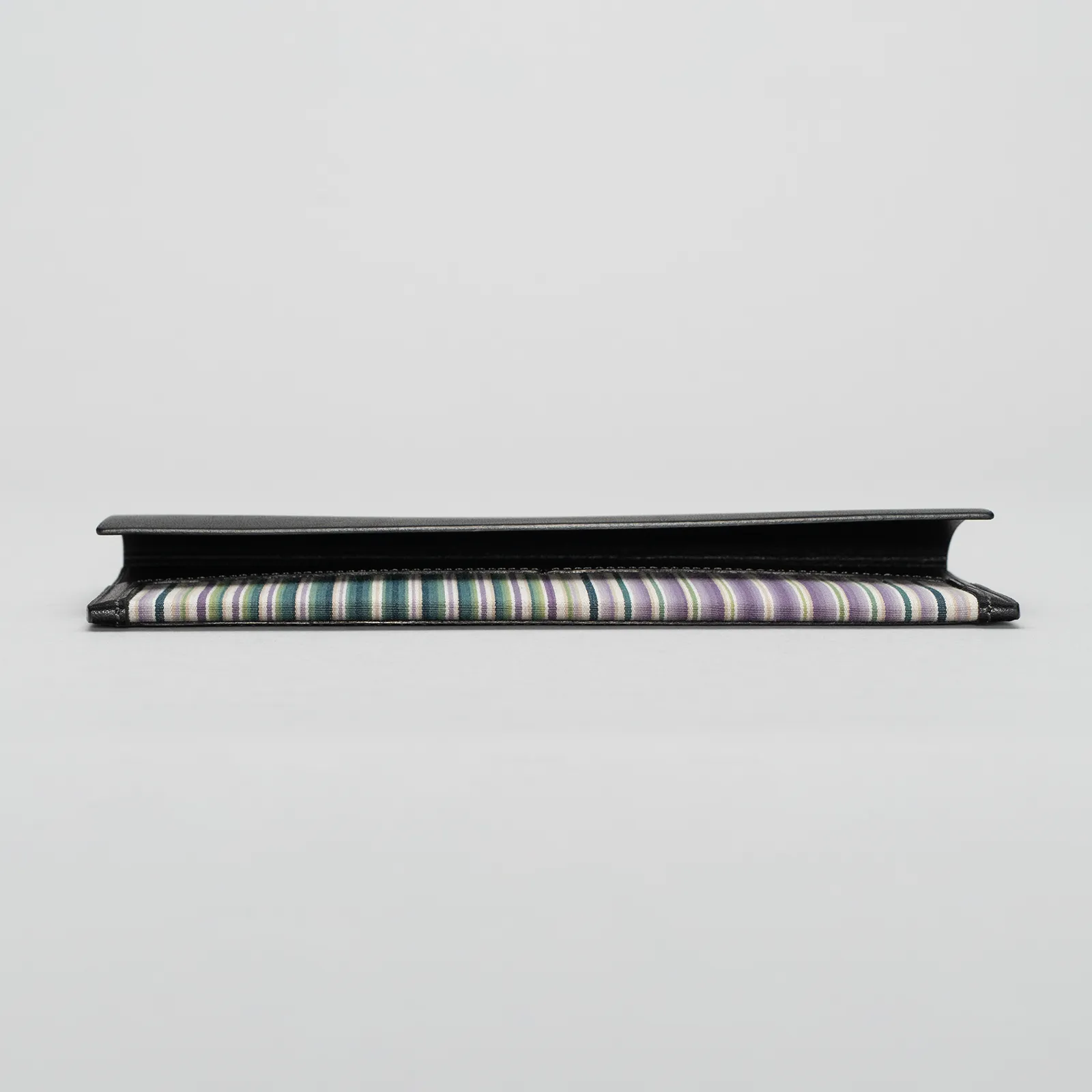
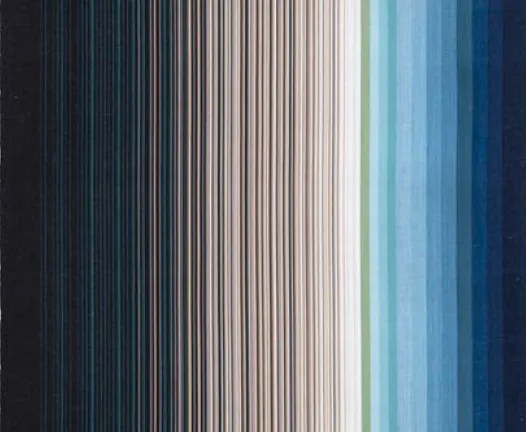
Kokura-ori is known above all for its striking, high-contrast stripes.
Today we use the word shima broadly for any array of parallel lines, vertical or horizontal. In traditional Japanese vocabulary, however, shima was bound up particularly with the direction of the warp. Patterns running horizontally were called dan, and where vertical and horizontal crossed, kōshi. Going back further still, the term shima did not originally exist in Japan at all. In the medieval period, patterns composed of vertical lines were called suji and the like.
The emergence of the word shima is thought to be connected with textiles brought from abroad. Goods carried by ship from the Muromachi period into the early modern era were called shimamono, “things from the islands,” and were greatly prized. Because many of those imports were textiles with linear patterns, shima gradually came to denote patterns made of lines, and in time the character for “stripe” was applied to it. Traces of this remain in Edo komon patterns such as mansuji and sensuji.
What defines Kokura-ori—the secret of the stripe
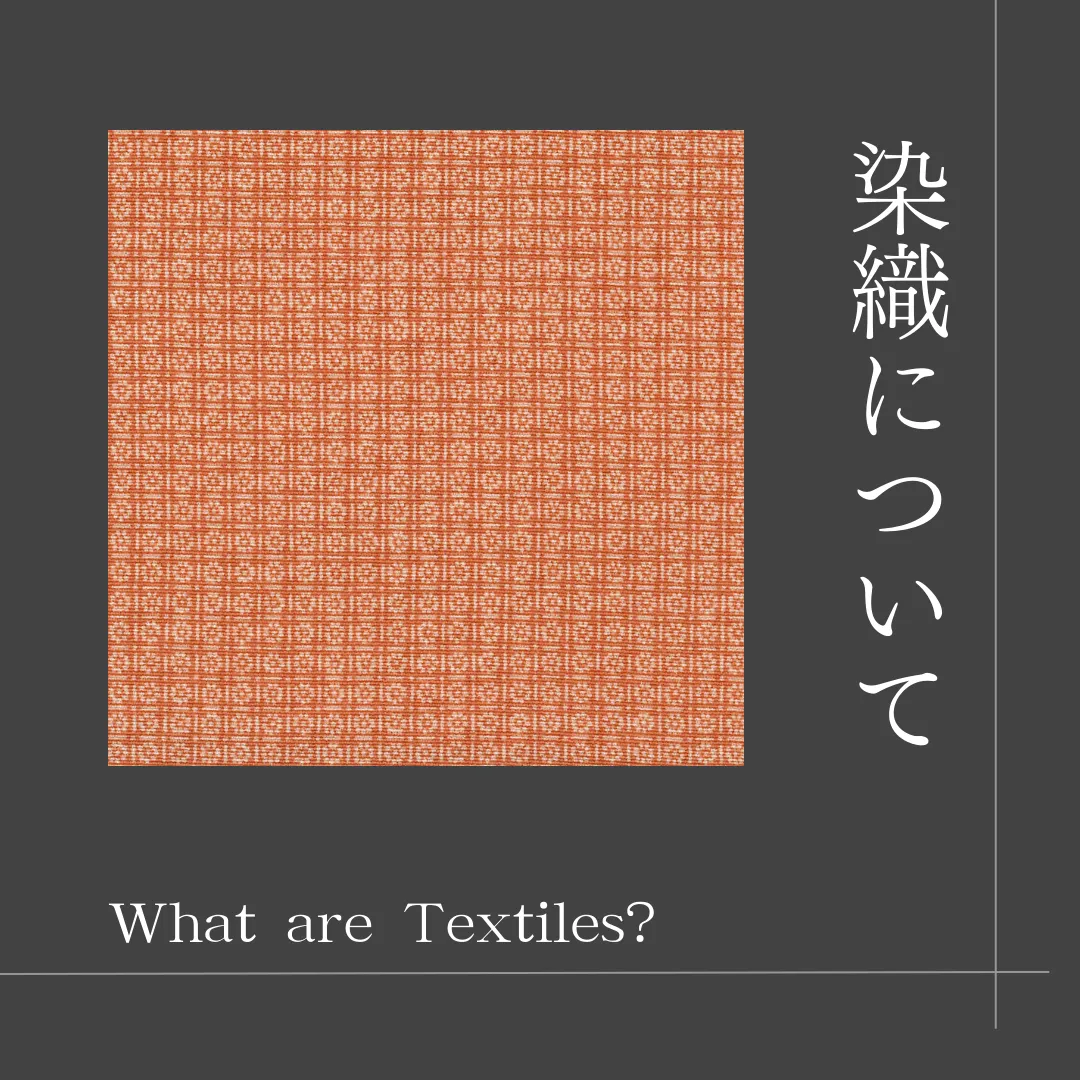
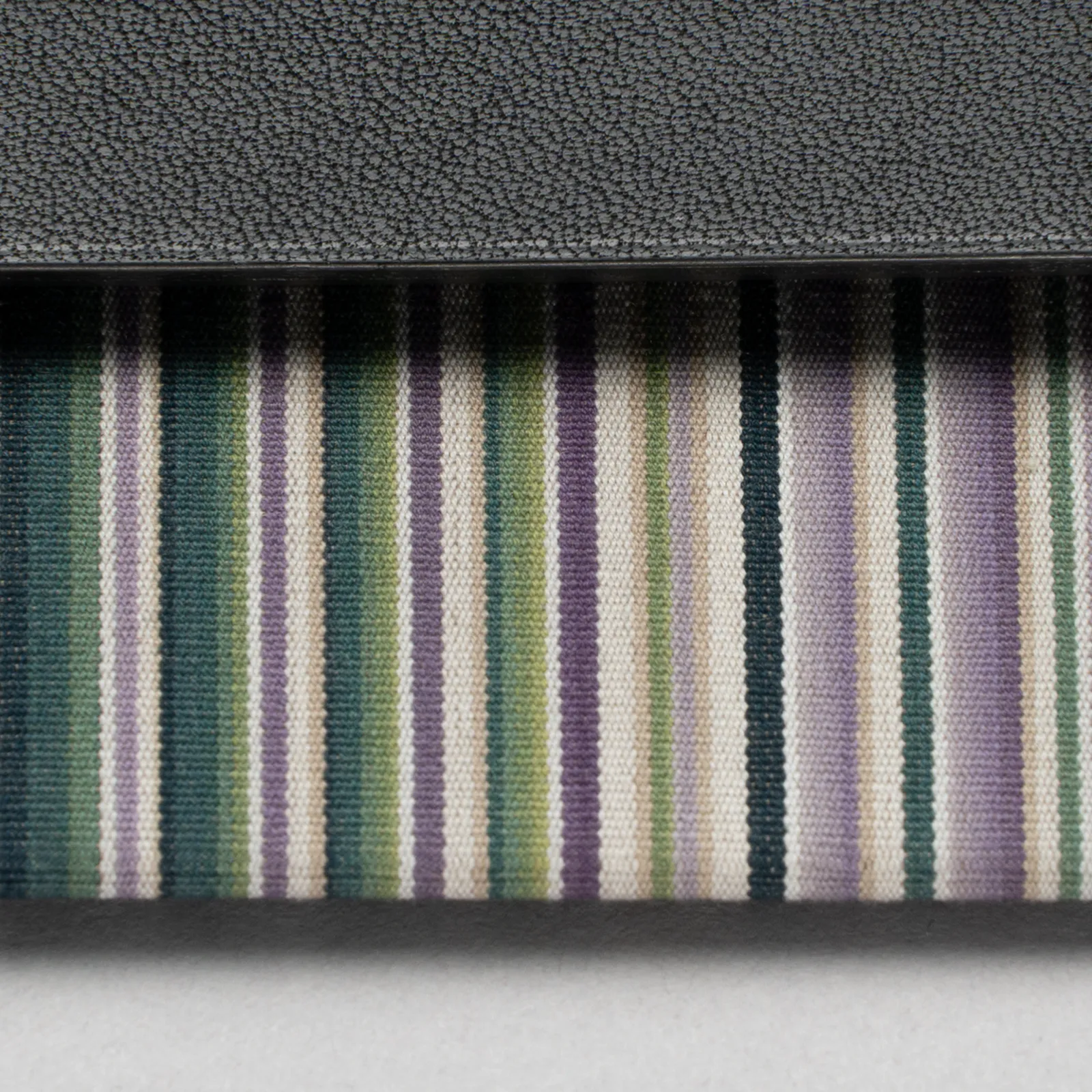
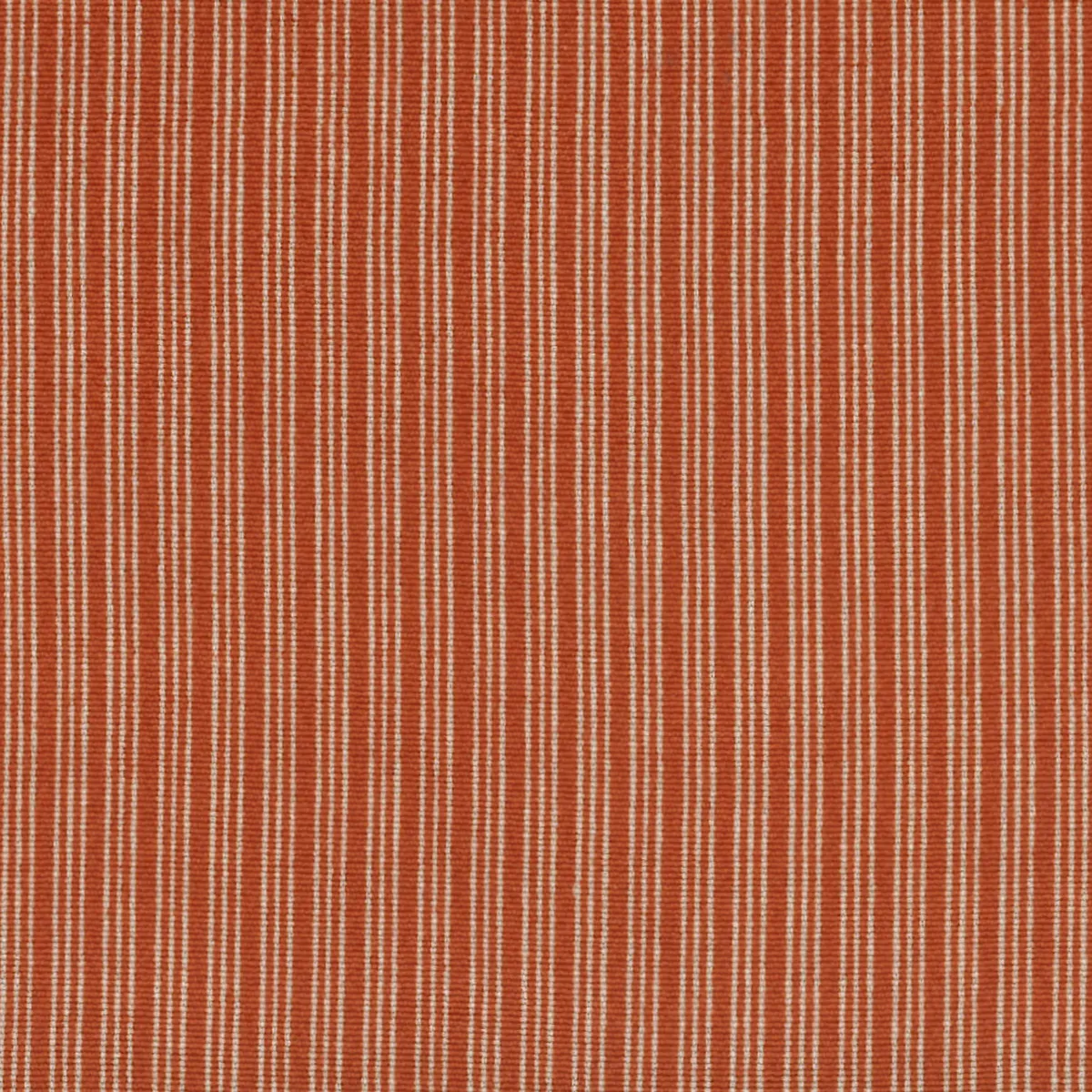
The principal characteristic of Kokura-ori lies in the density of the warp. In ordinary textiles, warp and weft cross at roughly equal densities. Kokura-ori, in Tsuiki's words, runs “about three of warp to one of weft. The weft goes into what is almost a wall, the warp is so dense—so dense that the weft is hidden from sight.”
Because the warp asserts itself so strongly at the surface, it is the colour running vertically that becomes the expression of the cloth. The characteristic stripe arises from the very structure of Kokura-ori.
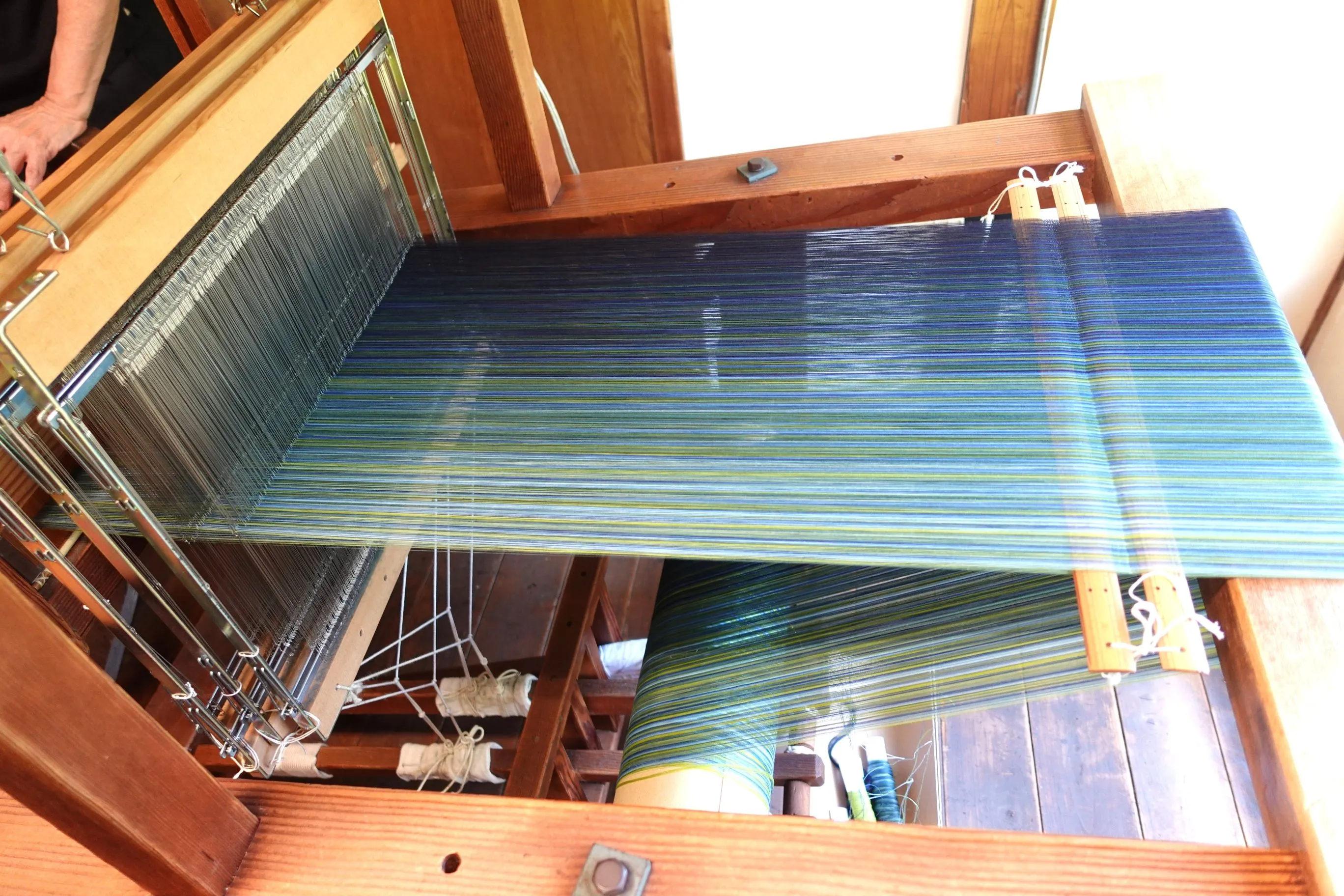
In 1984, Tsuiki at last succeeded in reconstructing Kokura-ori. What she pursued was the quality particular to well-used Kokura-ori: “a smoothness almost like tanned leather.” Using thread of the same thickness as the surviving remnants and reproducing the same density, she found the cloth stiff and rough, far from that leather-like texture. The smoothness of the remnants had come from repeated washing and from years of use.
“I wanted it to have a soft, pleasing texture from the moment it came off the loom.”
So rather than reproducing Edo- or Meiji-period Kokura-ori as it was, she used finer threads in greater numbers and wove at higher density, creating a Kokura-ori that possessed that smooth texture from the moment it was woven.
“Rather than having reconstructed it, I think of what I did as a revival in a new form.”
——Is there a stage in the process that is particular to you?
For me, thread is something like paint. The more colours I have to hand, the more freely I can draw, so I consider preparing the thread the most important part, and I give it a great deal of time.
What I value first is the dyeing. I work with plant dyes. It begins with gathering the plants, and the dyeing itself takes a generous amount of time.
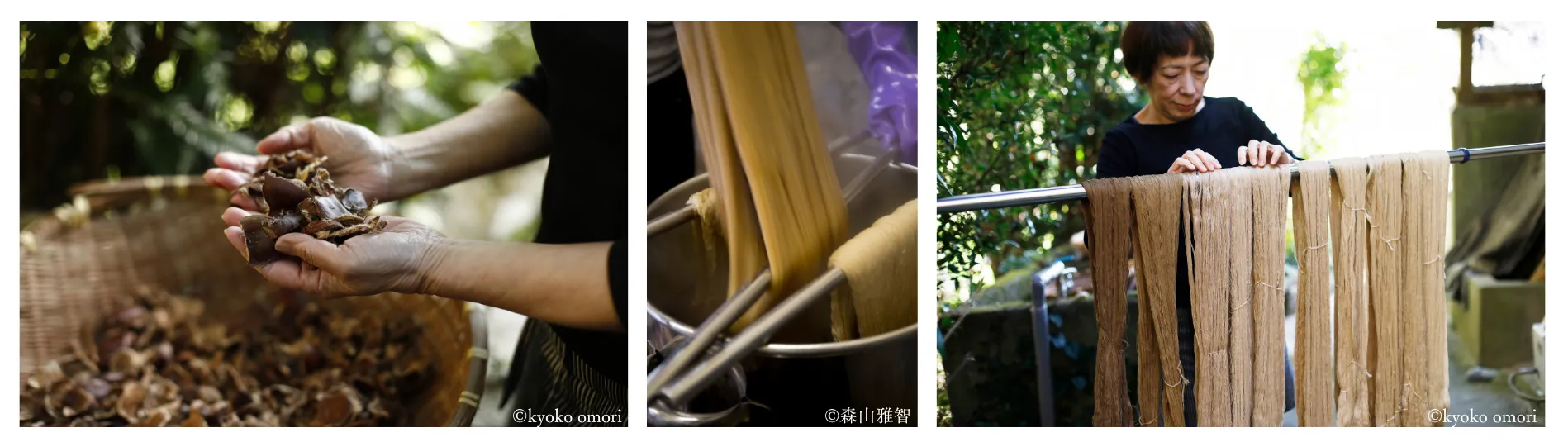
Next comes the critical stage called seikei, warping, in which each dyed thread is set in place according to the design. Warping would ordinarily take a day at most, but because I weave with so many colours, there are times when it takes a week, staying overnight at the studio.
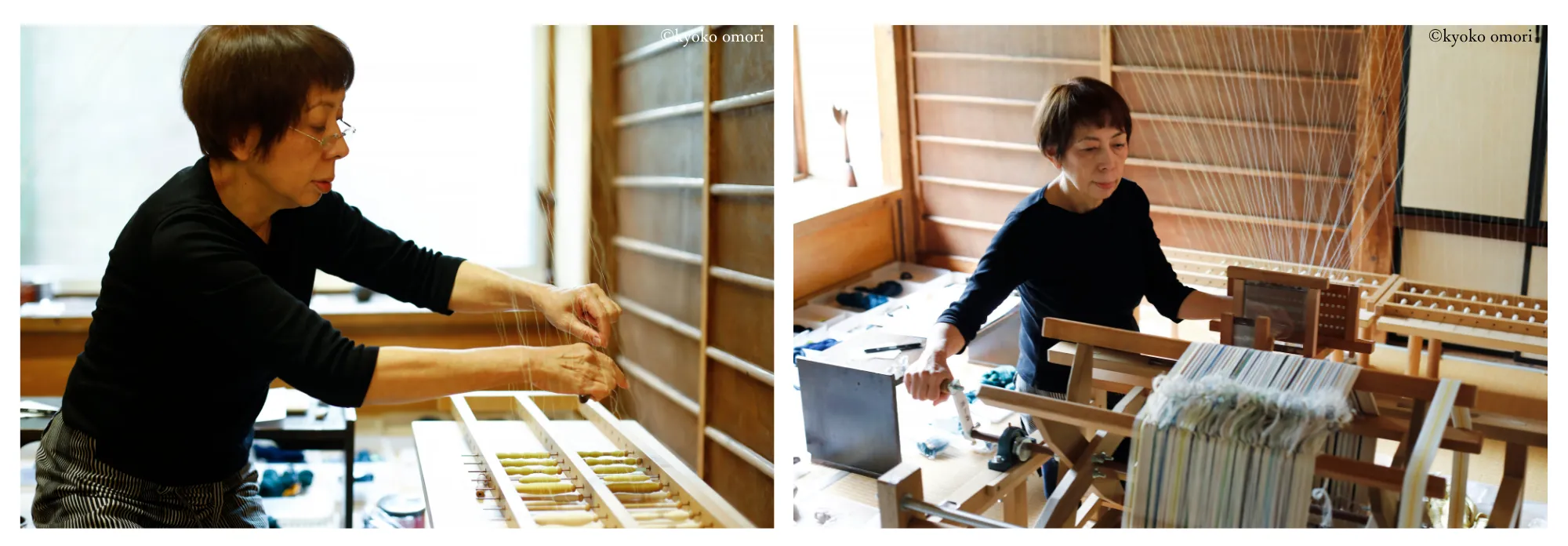
What the stripe means to Noriko Tsuiki—the opposing appeal of constraint and the infinite
Through Kokura-ori, Tsuiki has pursued the stripe. She describes Kokura itself as “somewhat unpolished, somehow earnest, and a little awkward,” and says of the stripe that “it only runs straight, so it is a difficult pattern to arrange, but there is a freedom that lives inside the constraint.”
“The stripe is universal. The world has patterns of every kind—flowers, birds, wind and moon—but precisely because the stripe is simple, it can generate infinite breadth in terms of design. This appeal of opposites, of constraint and the infinite, is perhaps something people can enjoy all the more today.”
Kuki Shūzō's The Structure of “Iki” and the stripe
“Iki is a disposition of the heart. Kuki writes, for us, that the stripe is that disposition expressed as design.”
Tsuiki calls The Structure of “Iki” by Kuki Shūzō (philosopher, 1888–1941) her “bible.” It is a celebrated philosophical analysis of iki, an aesthetic sensibility and cast of mind particular to Japan. Parallel lines run alongside one another indefinitely and never meet. She understands that structure of the stripe as something continuous with Japanese aesthetic sensibility.
——Hearing you mention The Structure of “Iki”, it occurs to me that if the stripe is abstracted as a structure it could be applied beyond cloth, and that as a primitive pattern it might be loved in many cultures beyond Japan. Have you worked in that direction?
Indeed—it has spread steadily outward from hand weaving. It began with general goods in machine weaving, and has extended to textiles for overseas fashion houses, to interiors, to spatial design and to architectural design. For a facility in Kitakyūshū City, I was approached with the idea of giving the whole building the character of Kokura-ori, and it was used from the exterior walls through to the interior.
What is new about Abstract, Black Butterfly
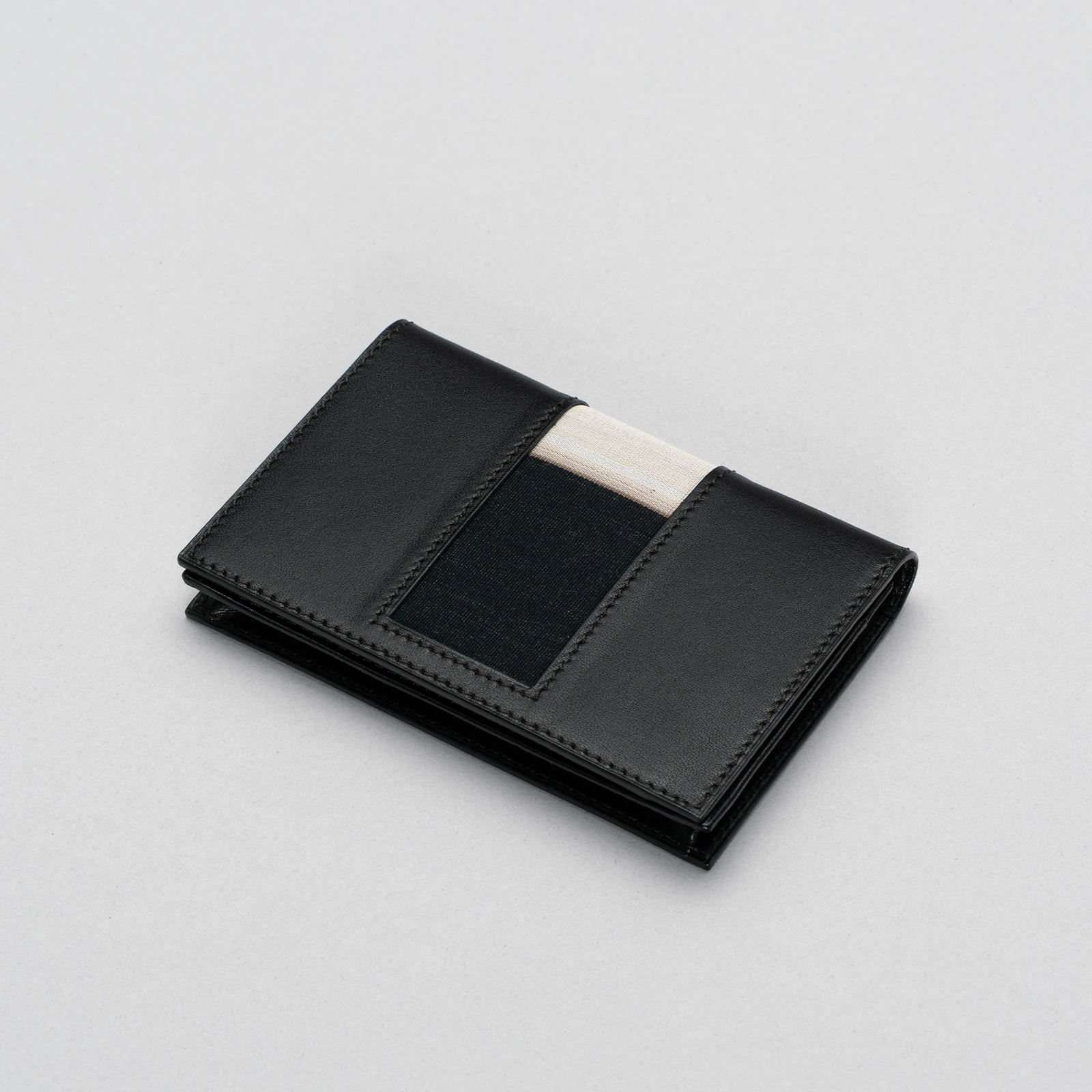
Having extended the possibilities of the stripe this far, Tsuiki says that in making Abstract, Black Butterfly she realised, on the contrary, how bound by the stripe she herself still was.
“I had thought I was weaving stripes in the realm of abstraction all along, but there is, after all, such a thing as the concept of the stripe. I was still bound to some degree by the assumption that a stripe only occurs where there is difference.”
Contrast is produced by setting threads whose brightness and width differ from the line beside them. By deliberately establishing a boundary, a distinct line is perceived and a stripe comes into being.
“So the concept of the stripe always involved introducing some contrast or other. But I decided to abandon all of that.”
Precisely because she had pursued the possibilities of the stripe for more than forty years, she came to see that her own definition of what makes a stripe a stripe had itself become a constraint.
The turning point, and the motif, was the black butterfly that visits her studio. From wings she had taken for a single black, unexpected colours emerge. Many colours, in other words, lie hidden within black. “When it is raining, the rain begins to look like all sorts of colours.”
Tsuiki likens what she attempted in Abstract, Black Butterfly to the ground of an oil painting. Various colours are laid on the canvas and different colours are laid over them. Even where it cannot clearly be made out from the surface, the colour beneath acts upon the paint above and affects the whole.
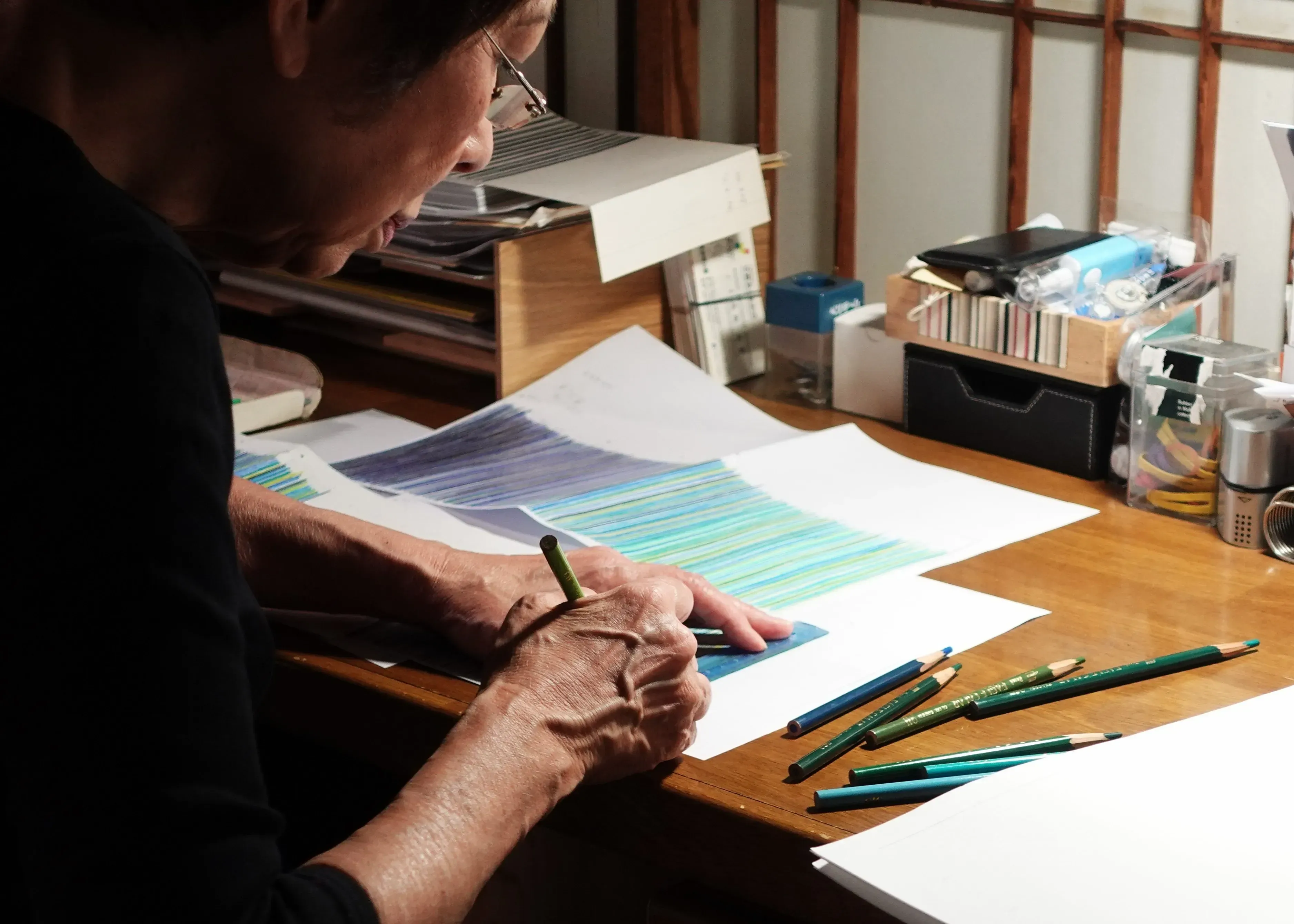
Tsuiki had already been weaving in the realm of abstraction. Even so, she says she had resisted putting the word “abstract” into a title. With Abstract, Black Butterfly, she placed that word in a title for the first time. What had changed was her relationship to the thing she had been calling the stripe.
“It frightened me, and I could never use it before—'abstract.' Even though I have been seeking the abstract all along.” “This time, for the first time, I was ready to step outside the concept of the stripe.”
The challenge continues, towards a world not yet seen
“From now on I want to weave this new theme, the Abstract series, in all sorts of colours.”
Of this work Tsuiki says, “after weaving nothing but stripes for so long, it feels as though I set down something I had been carrying on my back.” That makes the prize awarded to this piece feel all the more particular.
Asked what making means to her, Tsuiki answered briefly.
“To make is to be free.”
This stance may be unchanged since 1984, when she “reconstructed” Kokura-ori. Rather than reproducing the old Kokura-ori as it was, she revived it in a new form, and went on extending her expression within the constraint of the stripe. And then, just as readily, she sheds the very concept of the stripe she had spent so long building within herself.
“It is always a challenge. I work on the principle that my best piece is the next one, and I am always conscious of what to make next. Because I believe there is still a view out there that I have not yet seen.”
Is it because she has pursued the stripe to its limit that she can now be free of it? The Kokura-ori I saw was striking less for its stripes than for a range of colour as rich as a rainbow. The “world not yet seen” appears to have begun already.
Exhibited aboard the Asuka: Morning on the Riverbank—a landscape entrusted to the stripe
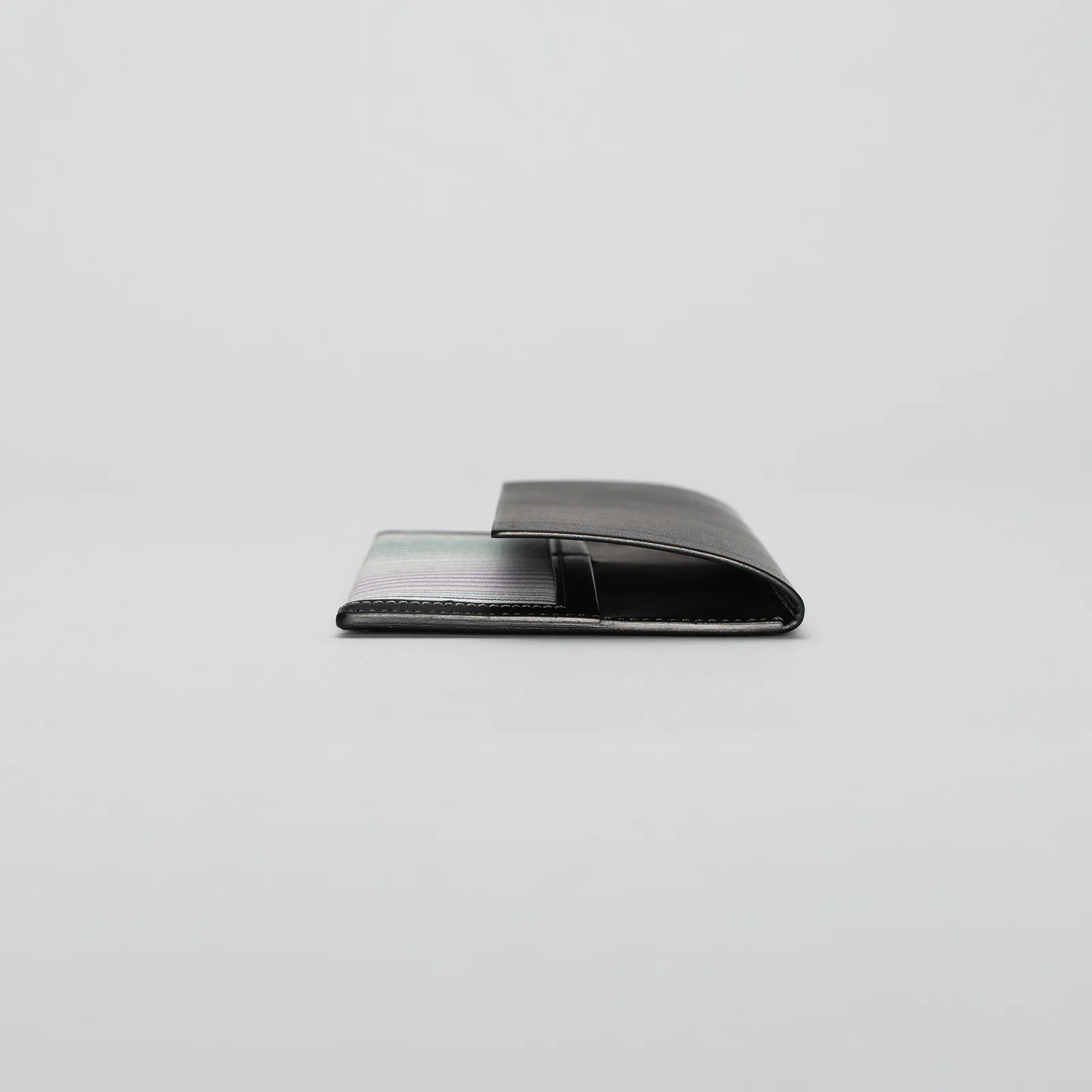
Kokura-shima Cotton Obi: Morning on the Riverbank, to be exhibited aboard the Asuka II, was born from an early morning scene on a walking path.
“The morning sun is rising, but still mixed with the last of the night air.”
Cool air, and the sound of the river running. The small birds have already begun to sing vigorously; the morning light strengthens little by little, and a faint trace of night remains. An egret appears, unhurried. “All those scenes and sounds from the middle of a walk—this is what I entrusted to the stripe.” The landscape is converted into coloured thread, and runs straight ahead.
Interview conducted 24 August 2026
[References]
- Noriko Tsuiki official website
- THE STORY OF KOKURA STRIPES / Kokura Shima Shima official website
- Gekkan Senshoku α, March 1986, No. 60, edited by Senshoku to Seikatsusha
Editor's note
It turns out that the zebra, zoologically speaking, carries a dan pattern. The markings of animals are divided into shima and dan according to their relation to the body axis running from head to tail. Markings parallel to the body axis are shima; those perpendicular to it are dan. The markings on a zebra's torso, seen from the spine, are arranged perpendicular to it like the ribs of a fish, and are therefore dan. (Ayaka Fujita)