Message from Yoshiaki Taguchi
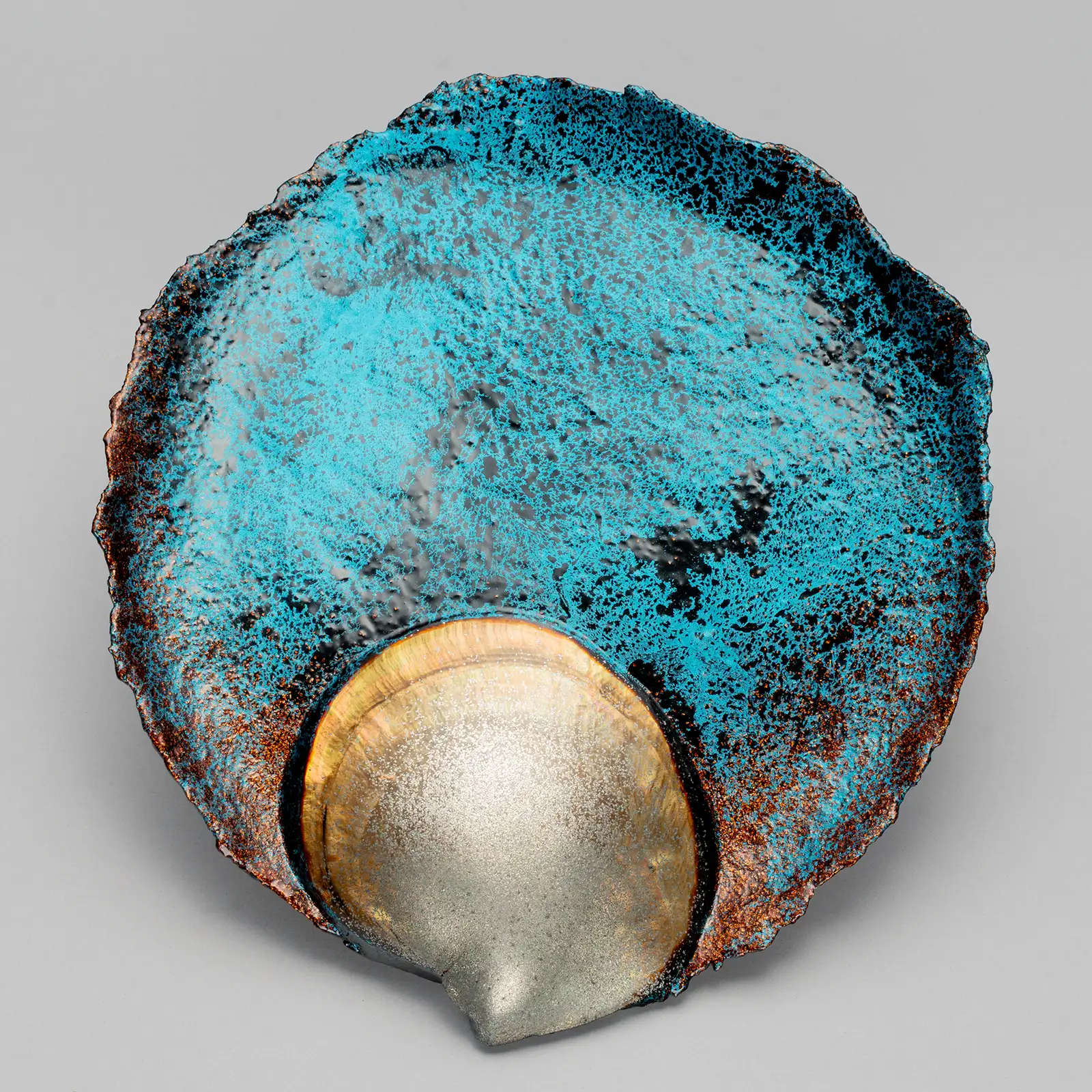
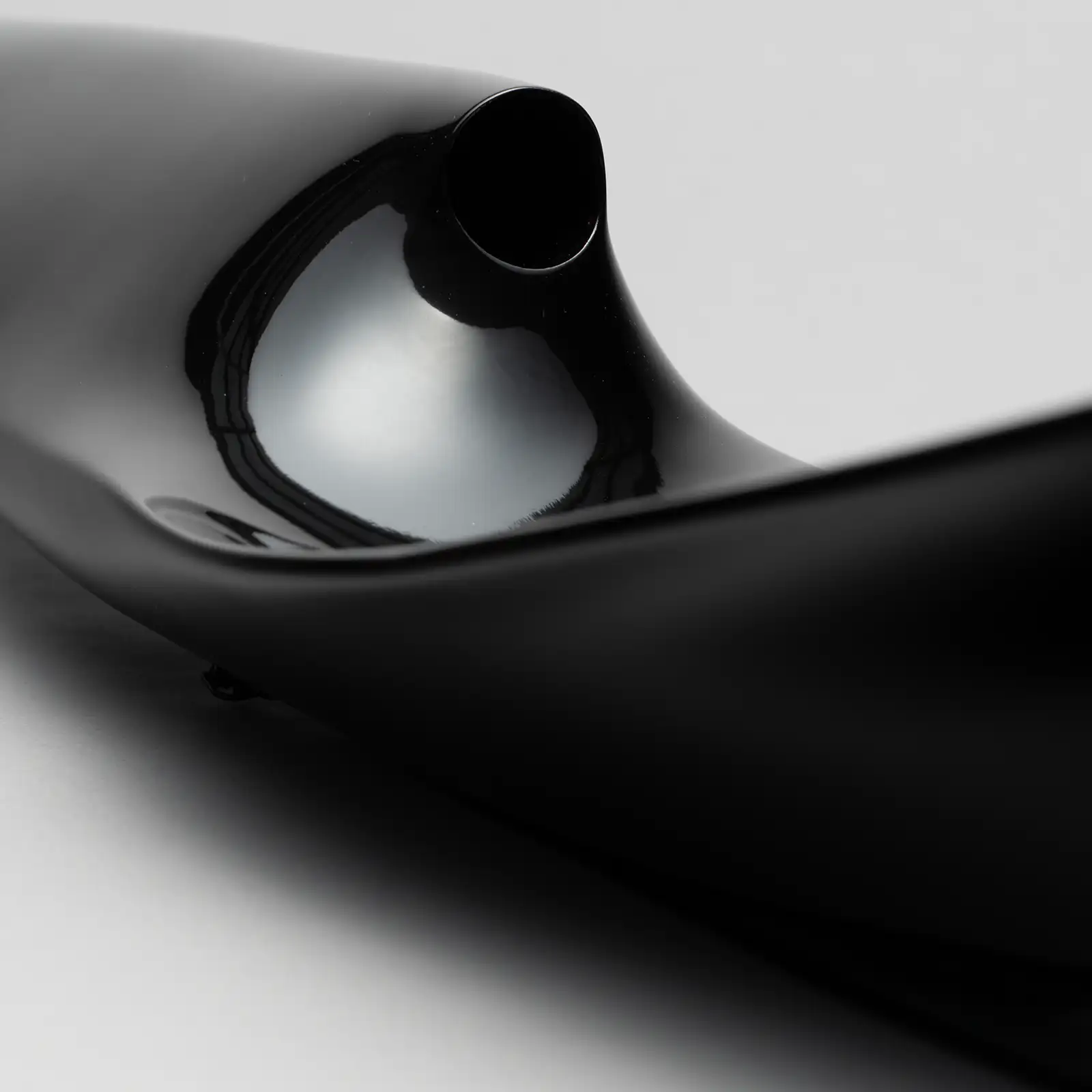
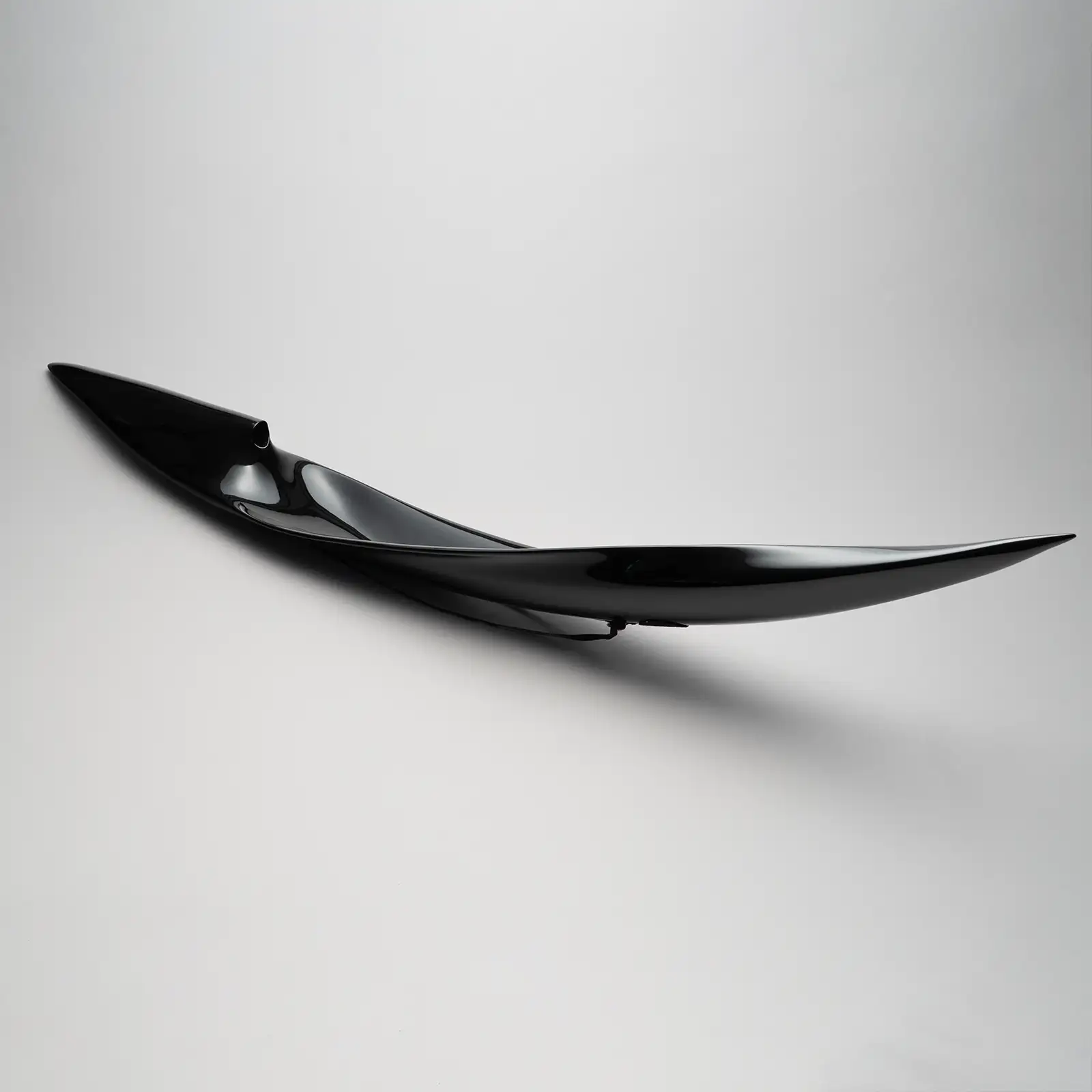
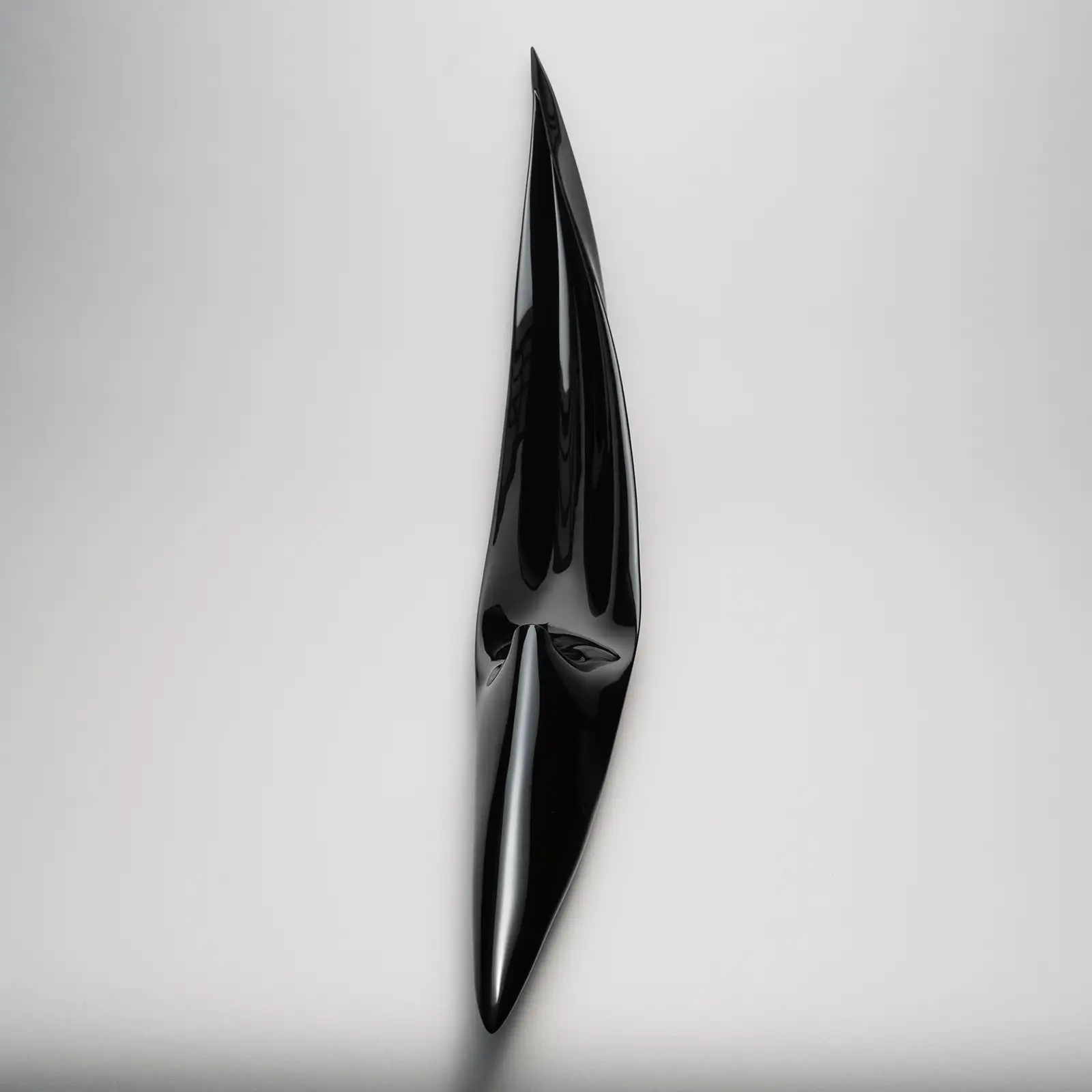
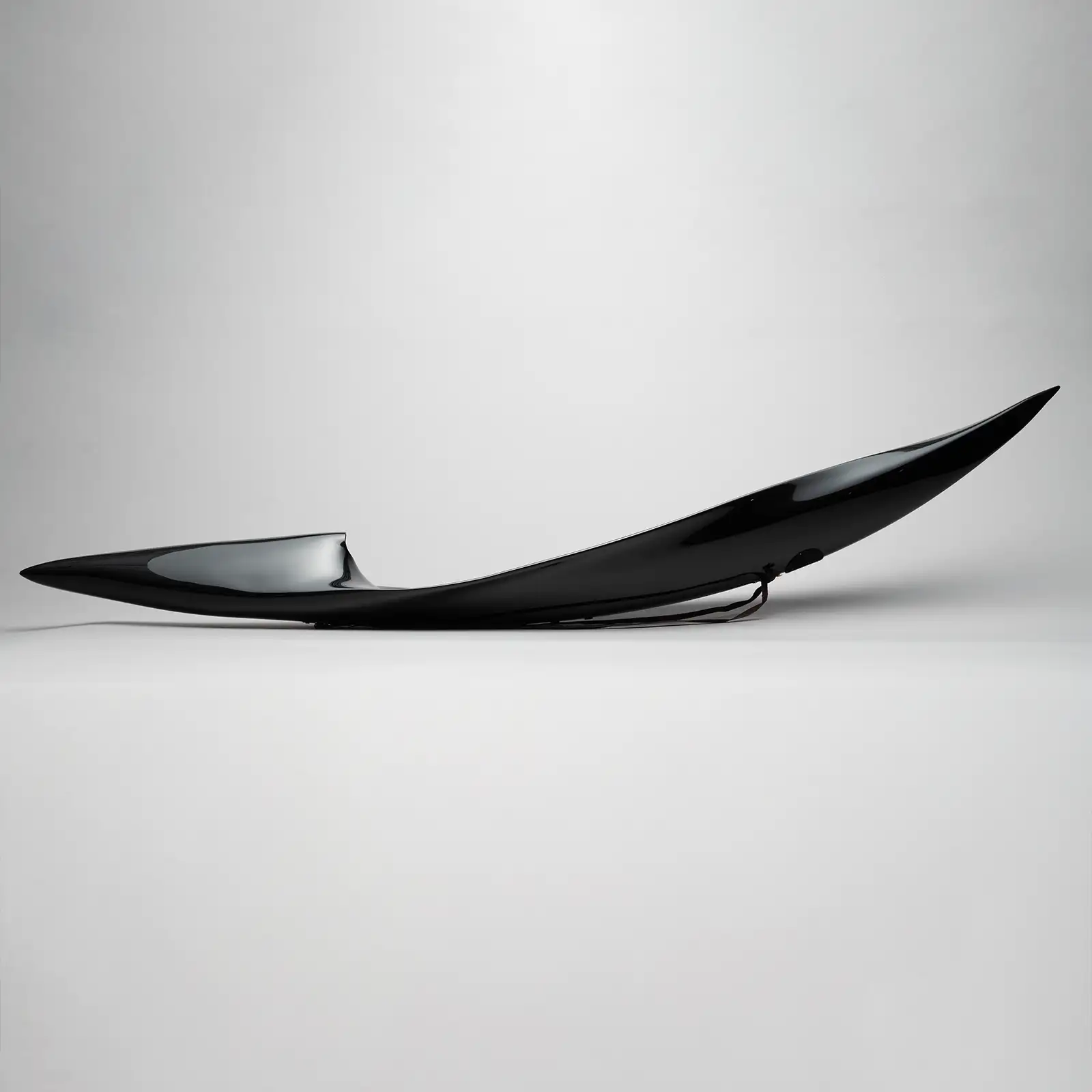
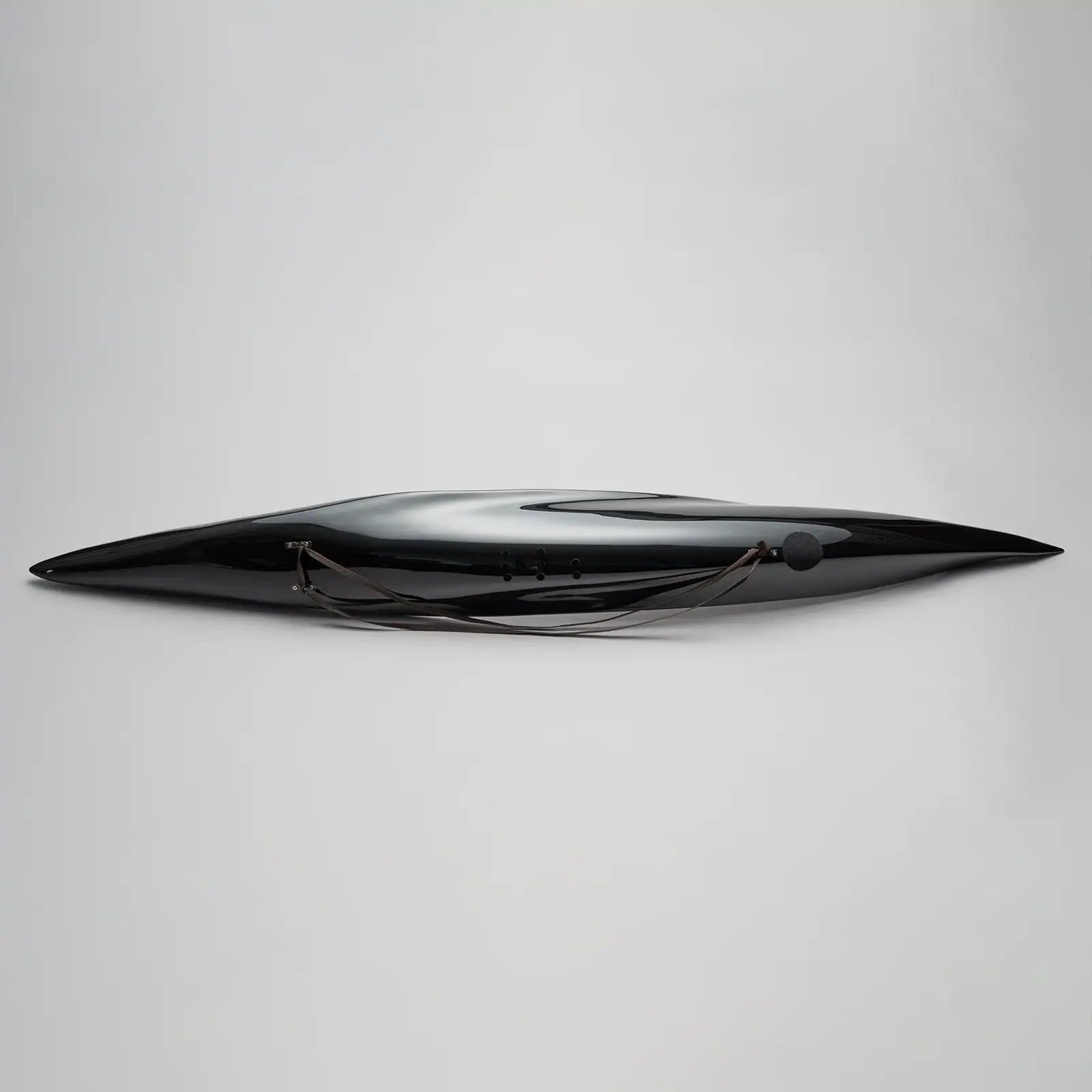
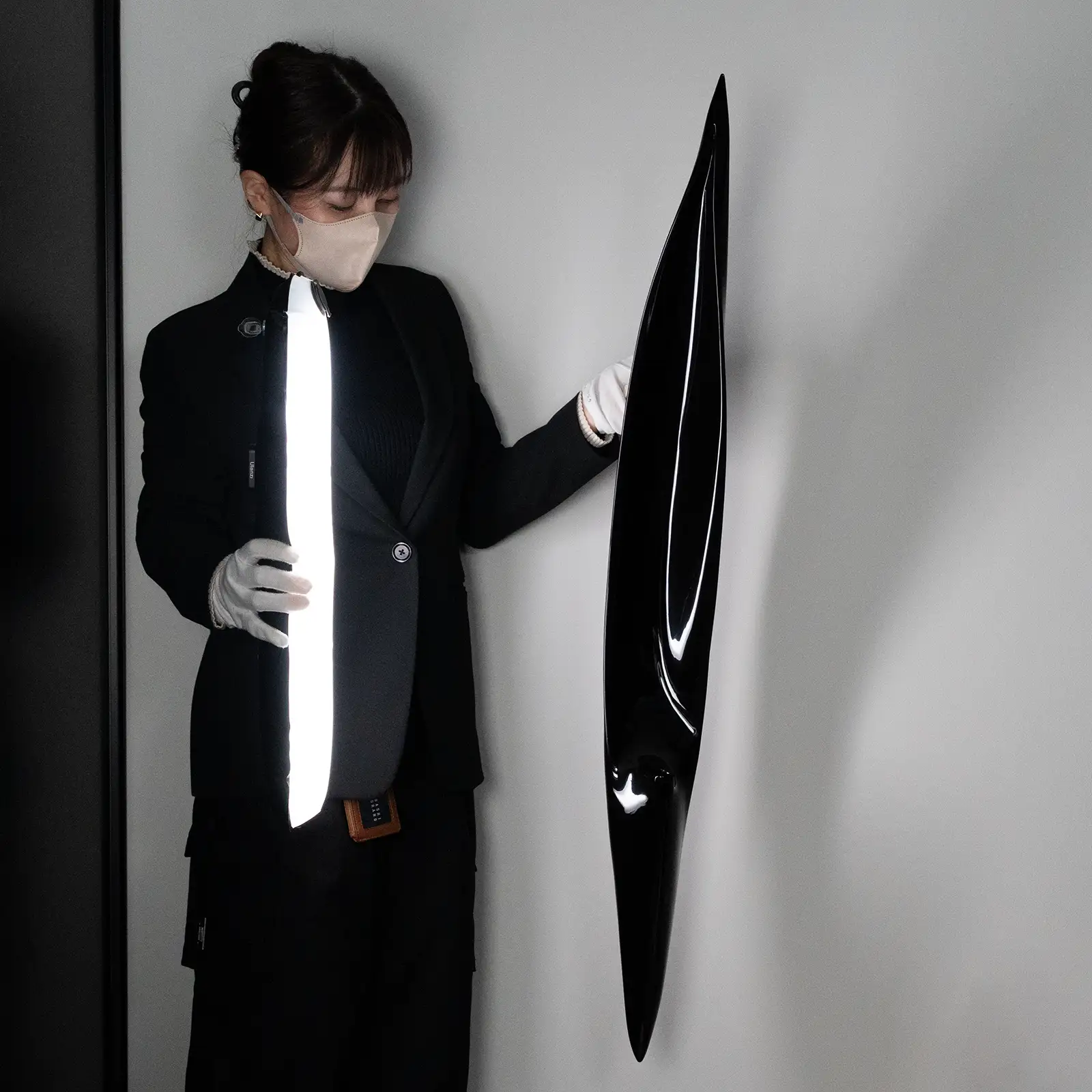
I paint the back of the shell and use it in combination with maki-e (sprinkled gold). My father, Yoshikuni, taught me Raden Maki-e (mother-of-pearl inlay with sprinkled gold). I would like to continue my exploration of shells and maki-e throughout my life. Please enjoy a new discovery every time you observe my artwork.
About the Urushi Artist Yoshiaki Taguchi
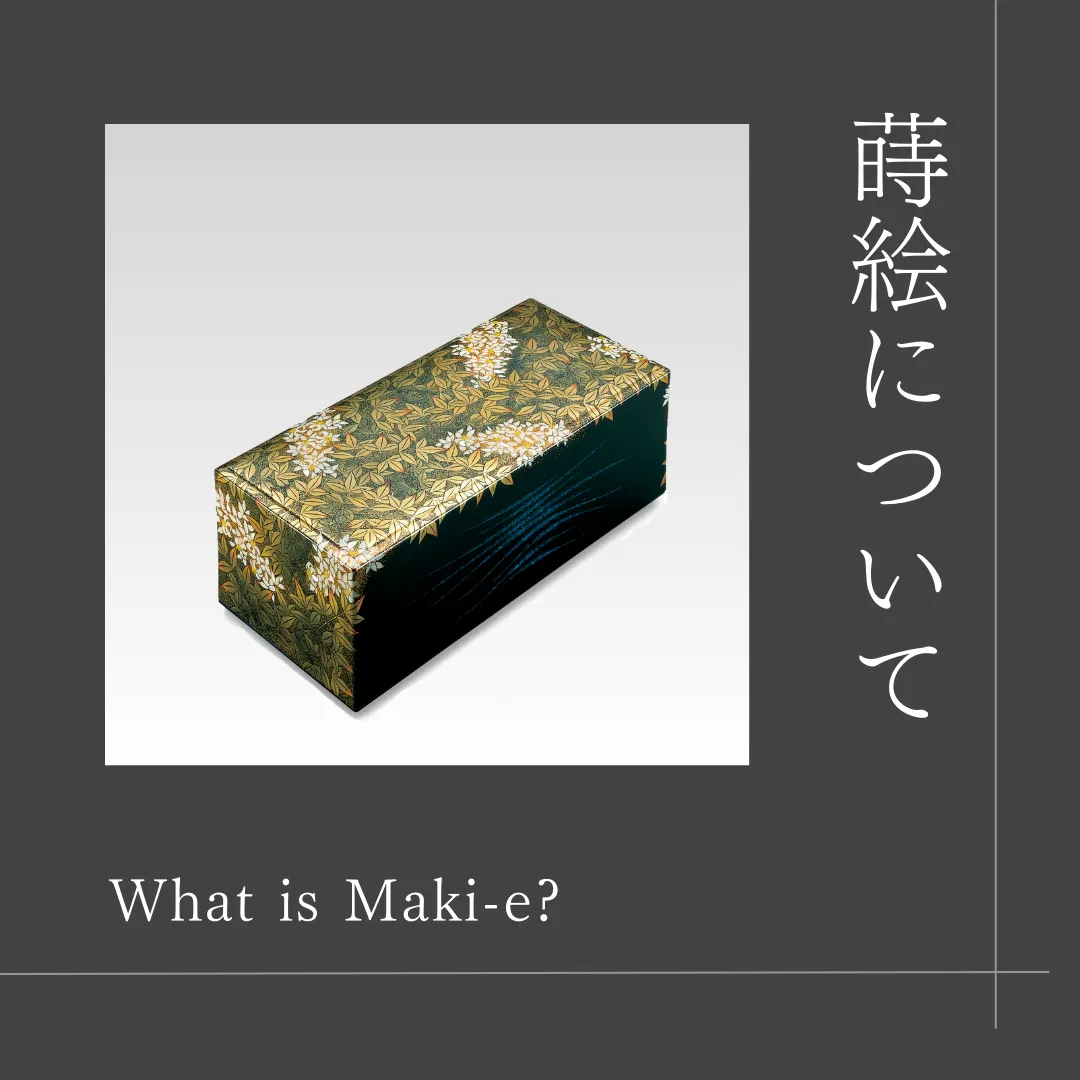
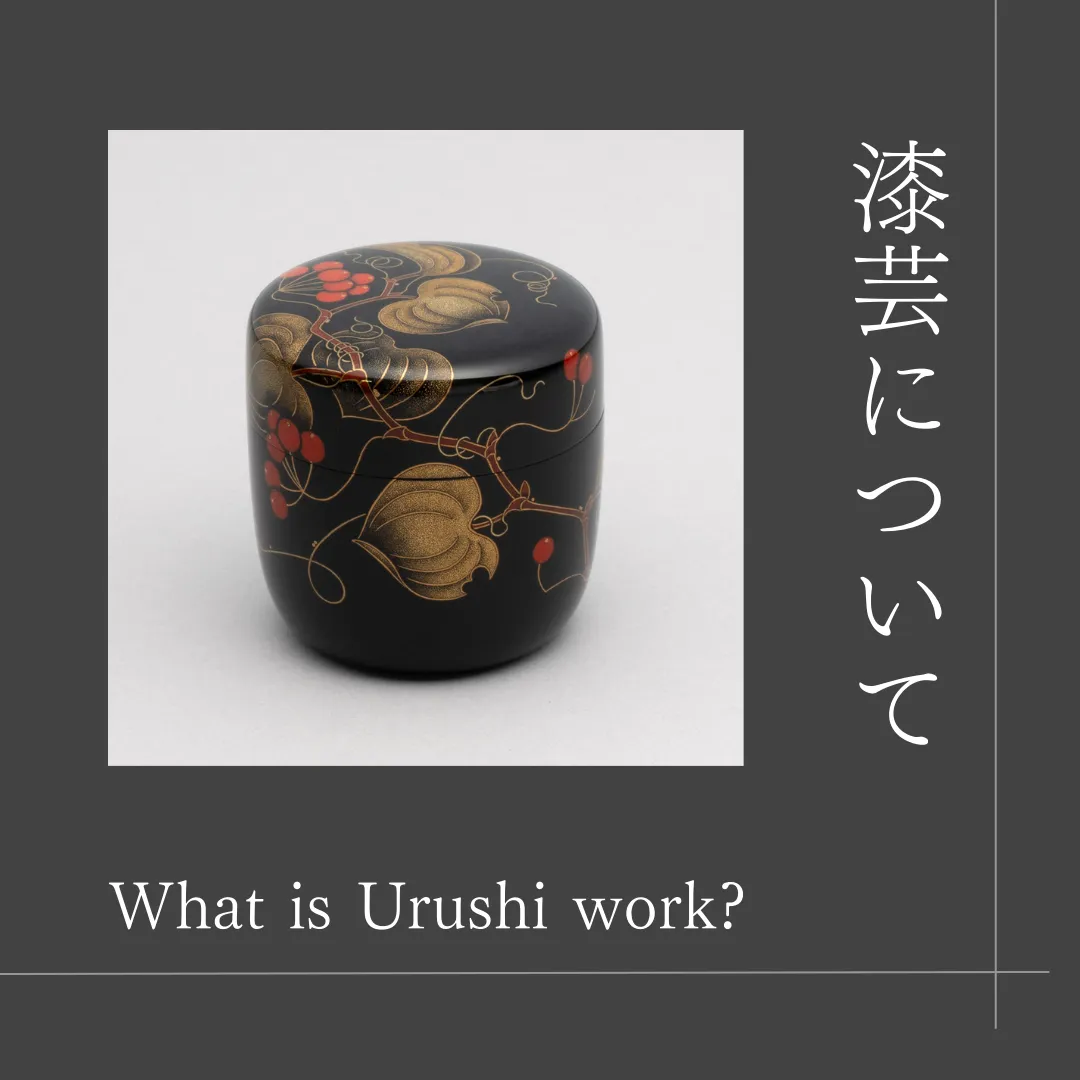
Yoshiaki Taguchi studied the arts of maki-e (sprinkled metallic powder decoration) and raden (mother-of-pearl inlay) under his father, Yoshikuni Taguchi, a designated Bearer of Important Intangible Cultural Property (Living National Treasure) for maki-e. Furthermore, he mastered kyushitsu (advanced lacquer application techniques) under the tutelage of Mashiki Masumura, also a Living National Treasure for kyushitsu.
Based in Saitama Prefecture, his distinguished career encompasses the creation of reproductions of National Treasures, the crafting of the Takamikura (the Imperial Throne) for the Emperor of Japan, and the restoration of historic Buddhist temples and Shinto shrines. Alongside these traditional endeavors, Taguchi exhibits a fervent dedication to contemporary approaches. This is evidenced by his international exhibitions in locations including New York, France, and Greece, as well as his participation in the groundbreaking "POKÉMON × KOGEI" exhibition. He continuously elevates the supreme techniques inherited from two Living National Treasures, seamlessly integrating them with modern sensibilities.
He deeply contemplates the profound artistry of Japanese Kogei (artcrafts)—an art form that occupies a unique realm between Western concepts of "fine art" and practical "everyday objects." He articulates that inherent in his work is the artist’s sense of asobigokoro (playfulness), born precisely on this boundary between daily life and art, driven by an earnest desire to "richly color everyday life through the power of beauty."
Concurrently, he astutely observes that the art of urushi, an unbroken lineage spanning back to the distant Jomon period, has undergone pivotal "technological innovations" in every era. Guided by the steadfast conviction that "tradition is inherently built upon the innovations of each respective era," he dedicates himself daily to the exploration of novel artistic expressions.
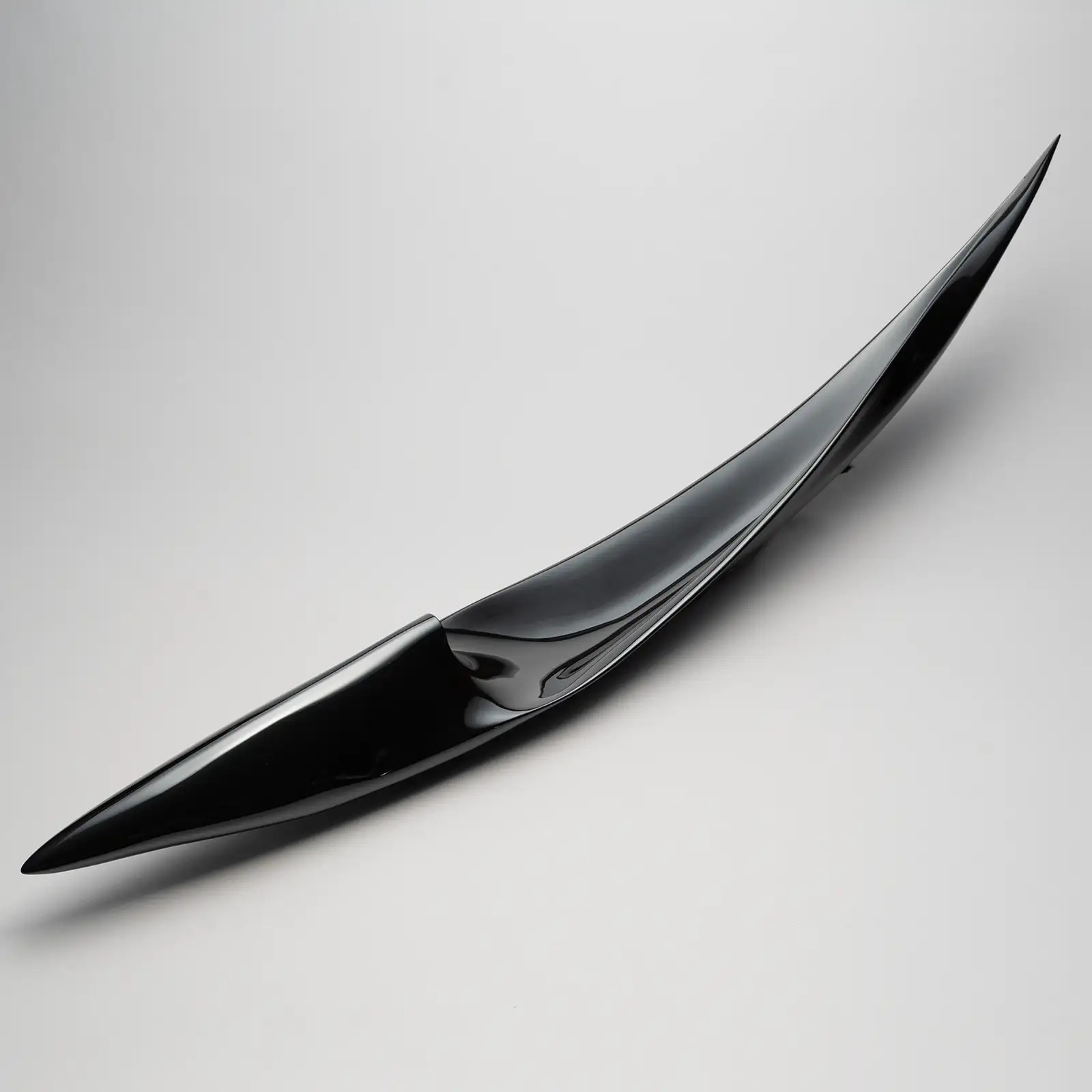
The captivating, profound shikkoku (jet-black) of his lacquer, adorned with brilliant ornamentation—at the very foundation of creating such masterpieces lies his unwavering resolve: "to craft objects that are exquisitely beautiful, yet never compromise their fundamental purpose as functional tools."
"It is precisely because I find profound joy in the act of creation that this joy is transmitted to the viewer," Taguchi notes. Bearing the weight of the eternal history of urushi art, he continues today to vividly present an ideal of beauty that profoundly enriches our daily existence.
Public Collections:The National Museum of Modern Art, Tokyo; Meiji Jingu; Jingu Museum (Ise Jingu); Wajima Museum of Urushi Art, Ishikawa; National Crafts Museum; MOA Museum of Art; Fukushima Museum, among others.
Appointments:
Instructor, Kagawa Prefectural Institute of Lacquer Arts / Ishikawa Prefectural Wajima Institute of Lacquer Arts Part-time Lecturer, Okinawa Prefectural University of Arts Special Advisor to the Kokkokai, Pilot Corporation