Housing the Cosmos in a Lacquer Vessel
Yamanaka lacquerware is one of the traditional craft industries of Ishikawa Prefecture. Fumihiko Arakawa is a lacquer artist whose family has worked in lacquerware there for three generations. He works principally in the dry lacquer (kanshitsu) technique, and his style is distinguished by surfaces finished with coating alone and by decoration in silver wire. On the occasion of his receiving the 4th Asuka Cruise Prize (2026), we spoke with him about the origins of his work, how he approaches lacquer as a material, and what he is aiming for as an artist.
Interview and text: Ayaka Fujita (ARTerrace)
A wish to shape the form myself
——Which techniques do you work in principally?
At present I work mainly in the dry lacquer (kanshitsu) technique. Building up layers of lacquer over a core of hemp cloth and similar materials, I form the shape as I go, which means I can create the form myself from nothing.
One of the hallmarks of Yamanaka lacquerware is the lathe. Wood is turned and cut to produce the wooden core that becomes the body of the lacquerware. Yamanaka has a long tradition of lathe work. I too began by making works that used lathe-turned wooden cores. In that case, the core itself has to be commissioned from a specialist core-maker.
But the core is the part that determines the form of the piece, and I came to feel that it was not very interesting if I could not shape that part myself (laughs). That is what led me to adopt the dry lacquer technique. Most of my current works are made this way.
——Many of your works have titles and imagery suggesting stars, the moon and outer space. How did you arrive at your present style?
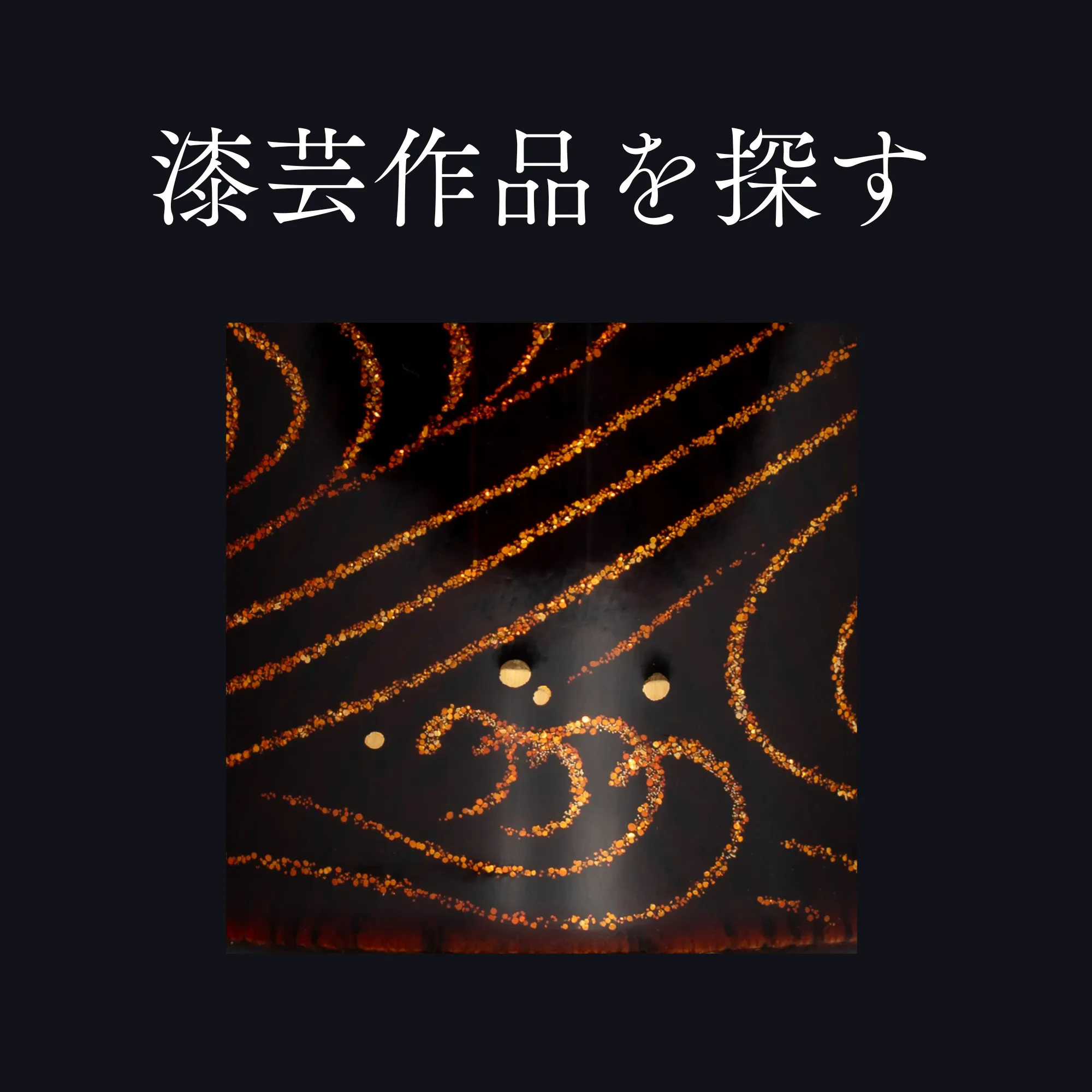
I have been fond of astronomy since I was a child. That said, I did not set out from the beginning to make celestial bodies my motif. When I visited a friend who makes his living in maki-e, my eye happened to fall on some silver wire lying there as material. “Wait a moment—could I use this to create some new form of expression?” As I turned the idea over, it connected with the astronomy I had always loved. Perhaps I could use silver wire to describe the orbits of stars—perhaps I could capture the way stars move within the vast space of the universe. From there I began to consider what lacquer colours would bring those wire-drawn orbits to life. That is how celestial bodies, outer space and stellar orbits came to be the motifs of my work.
The vast space described in Beyond the Universe
——Please tell us about the work to be exhibited aboard the Asuka.
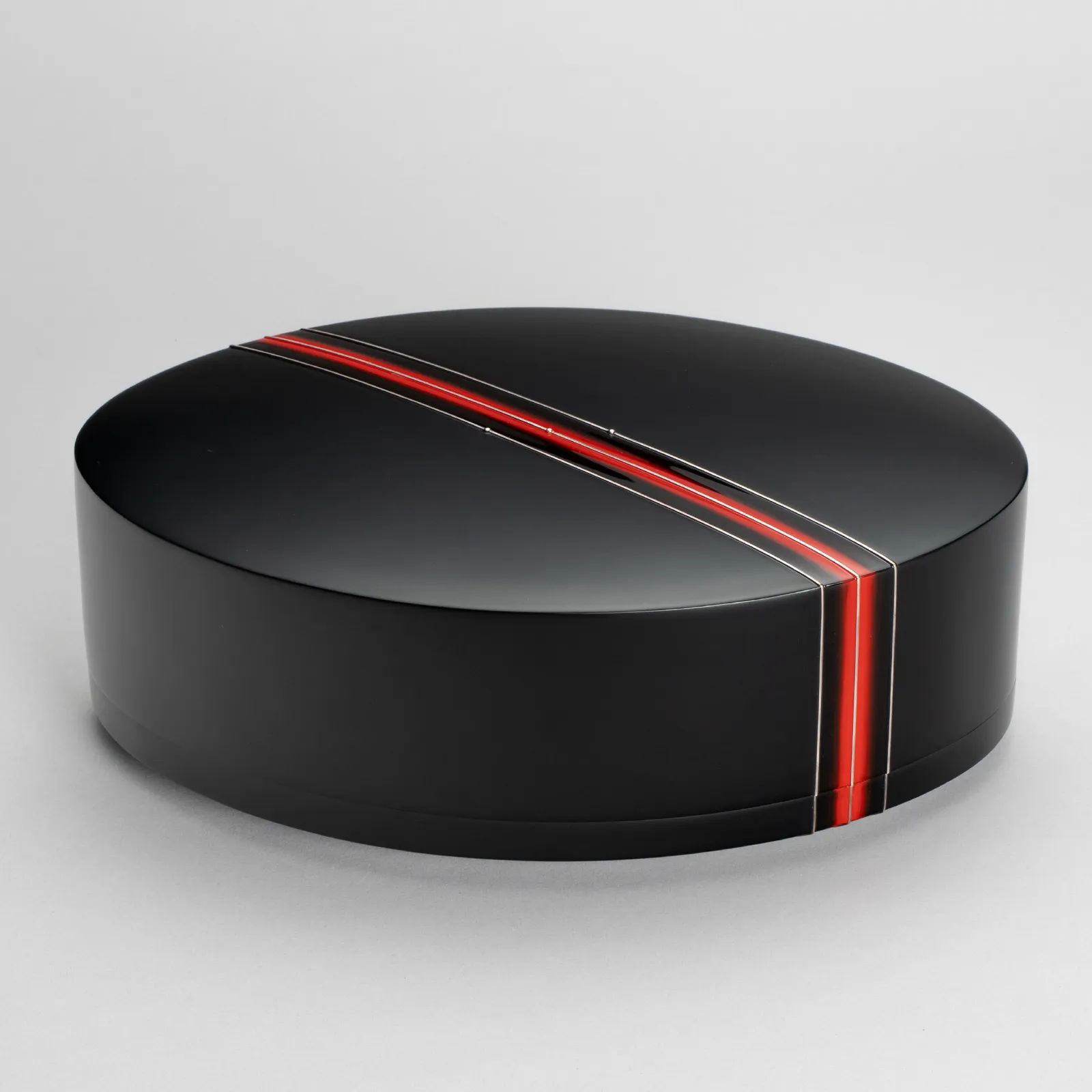
It is an oval work made in the dry lacquer technique, titled Beyond the Universe. I gave the body an oval form as an image of a stellar orbit. Three lines are drawn in silver wire, and at the centre I set three elements standing for stars. It expresses the grandeur of outer space.
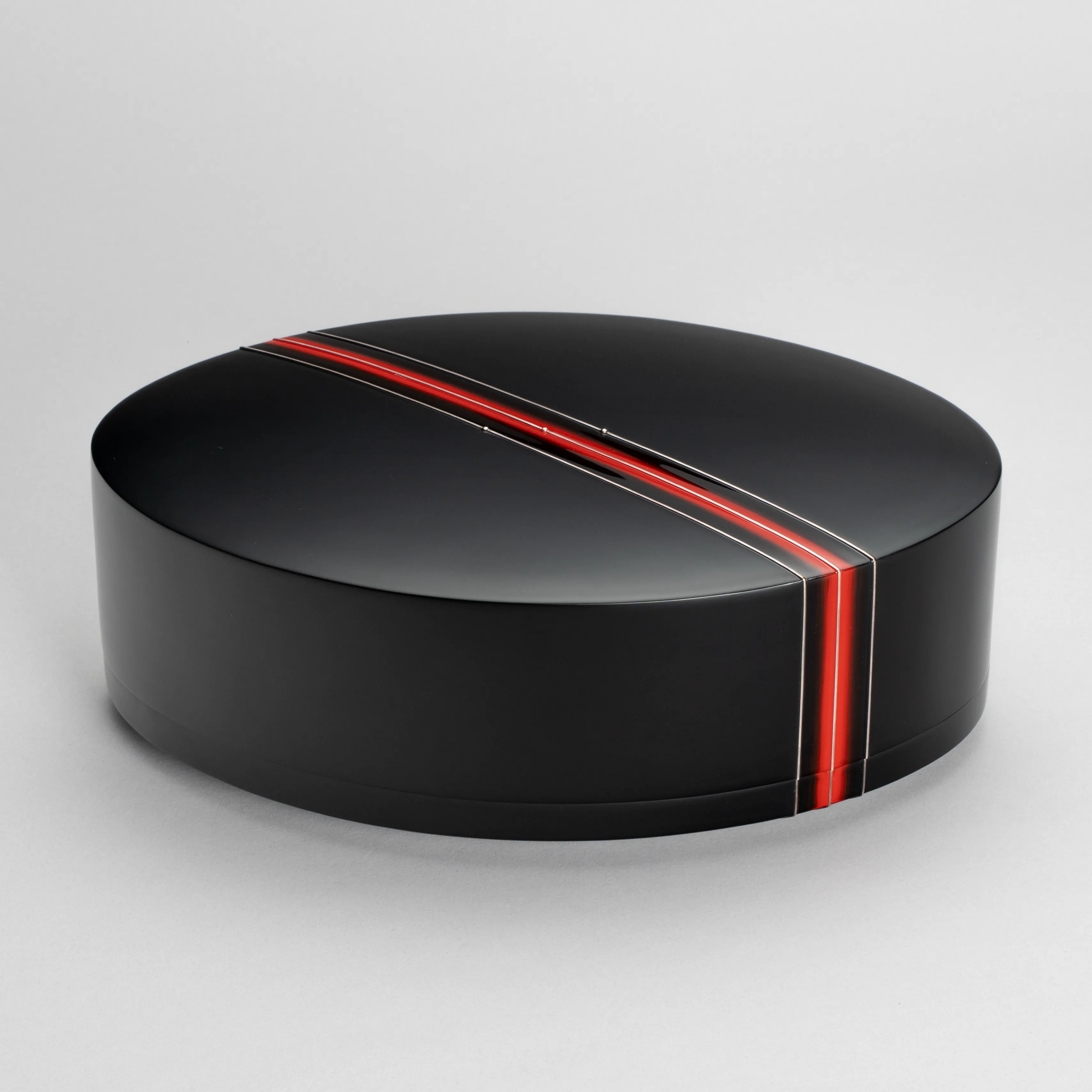
Dry Lacquer Oval Box, Beyond the Universe / Fumihiko Arakawa
——Do ideas for works ever come to you suddenly in the course of daily life?
As for form, there are times when the thought simply surfaces: “I would like to make a shape like this.” If I do not commit it properly to a drawing afterwards, though, I forget it entirely (laughs). So rather than ideas descending on me out of nowhere, it is more often a matter of setting to work and thinking it through: “let me work out how to make something in this form.”
How far can coating alone carry the expression?
——How do you yourself understand what makes a work “unmistakably yours”?
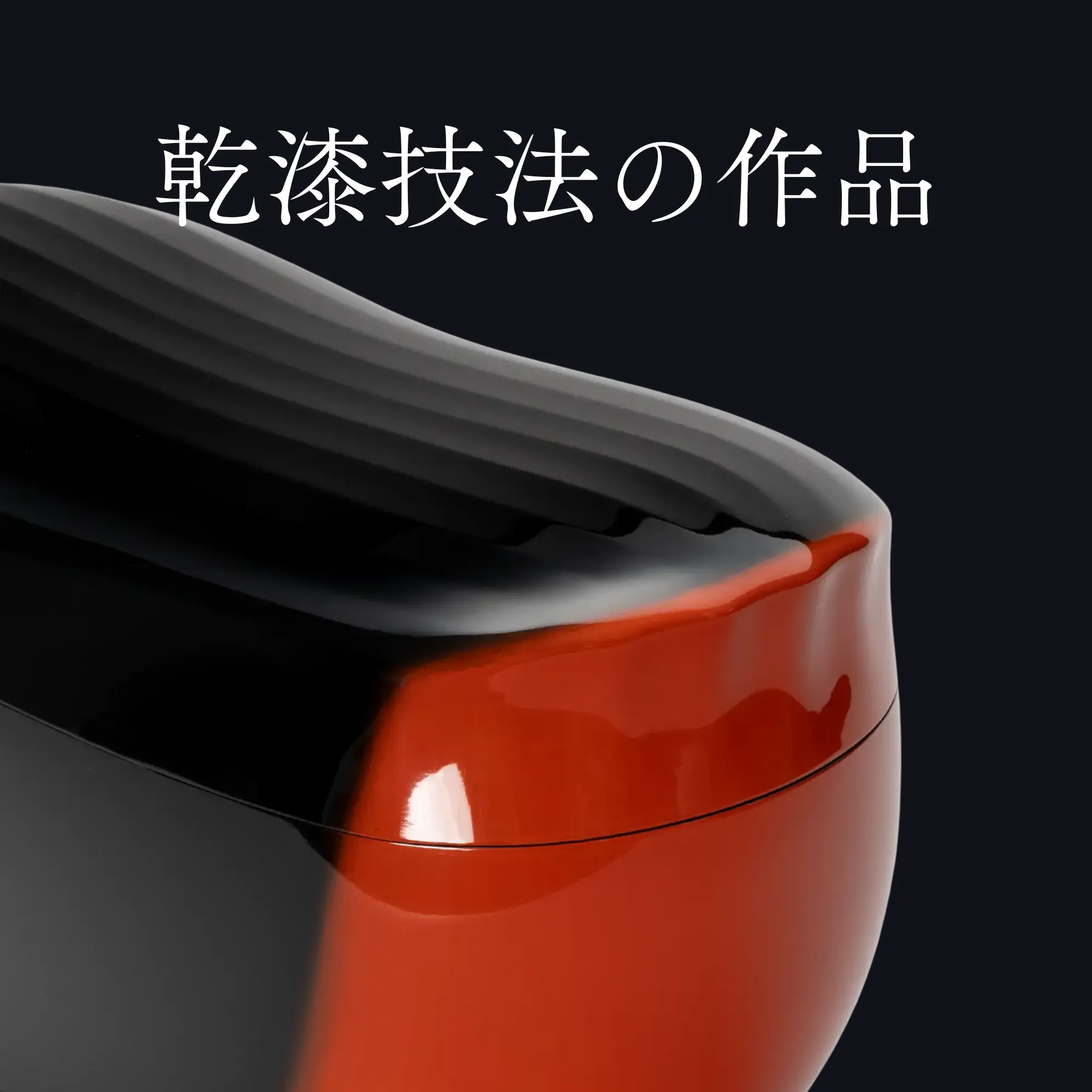
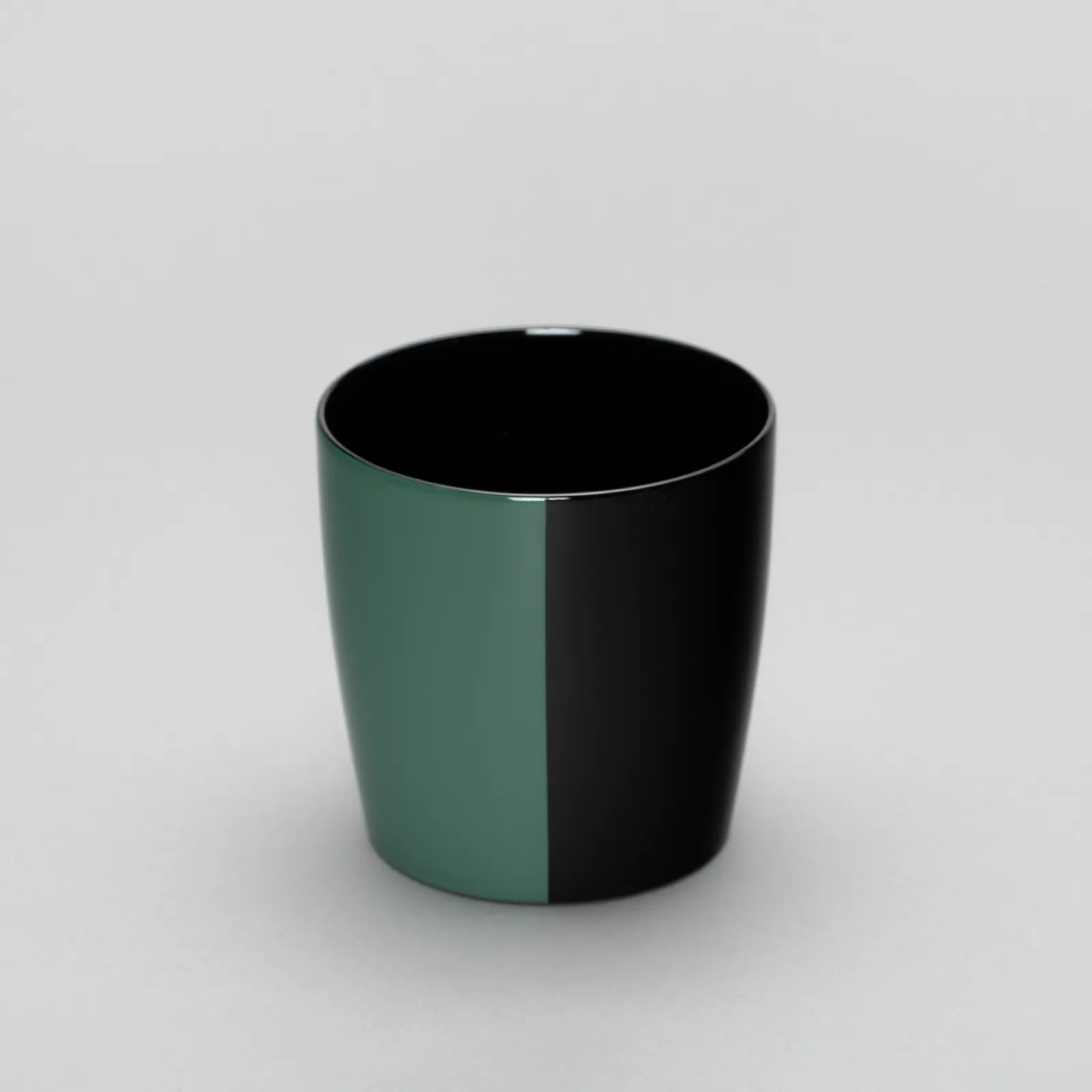
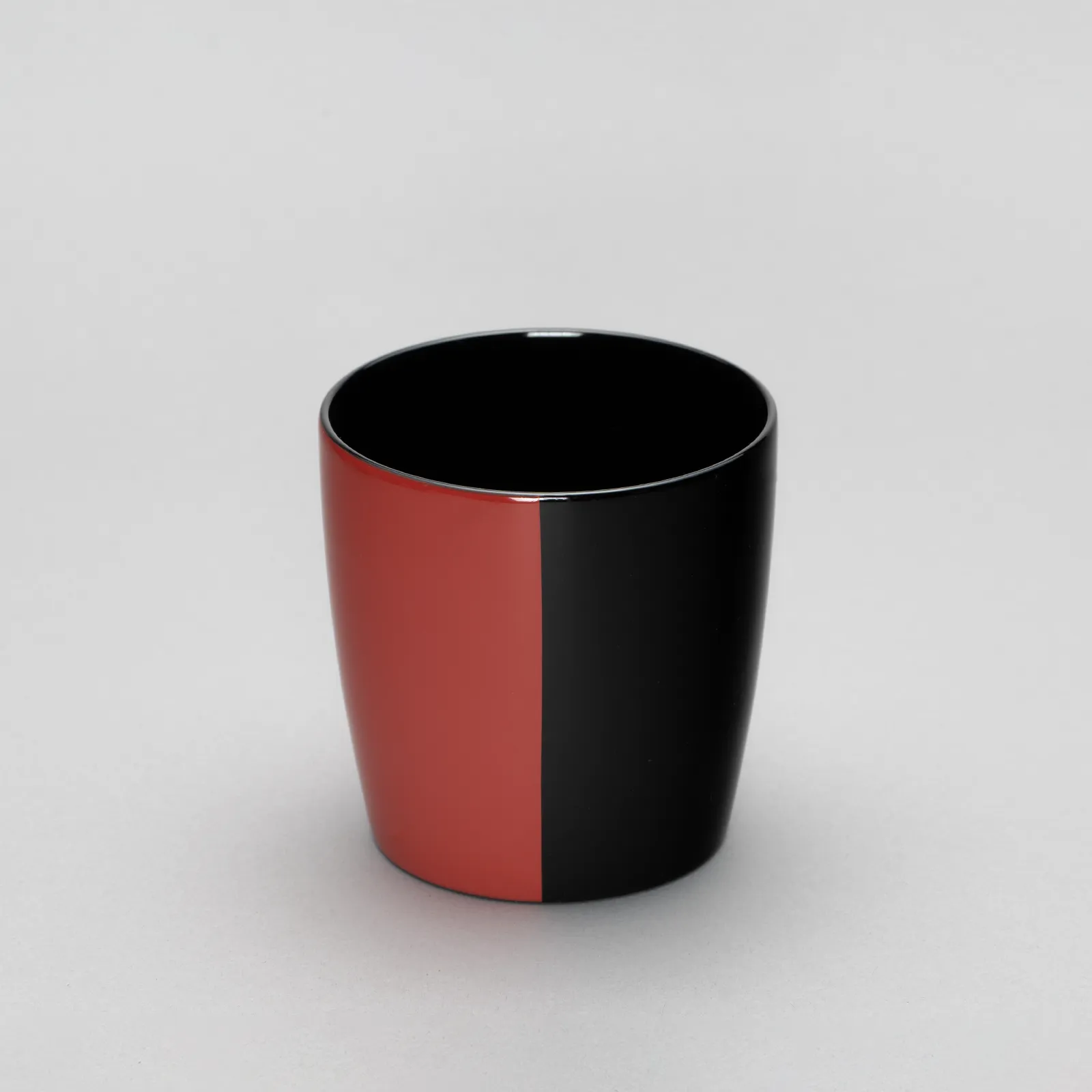
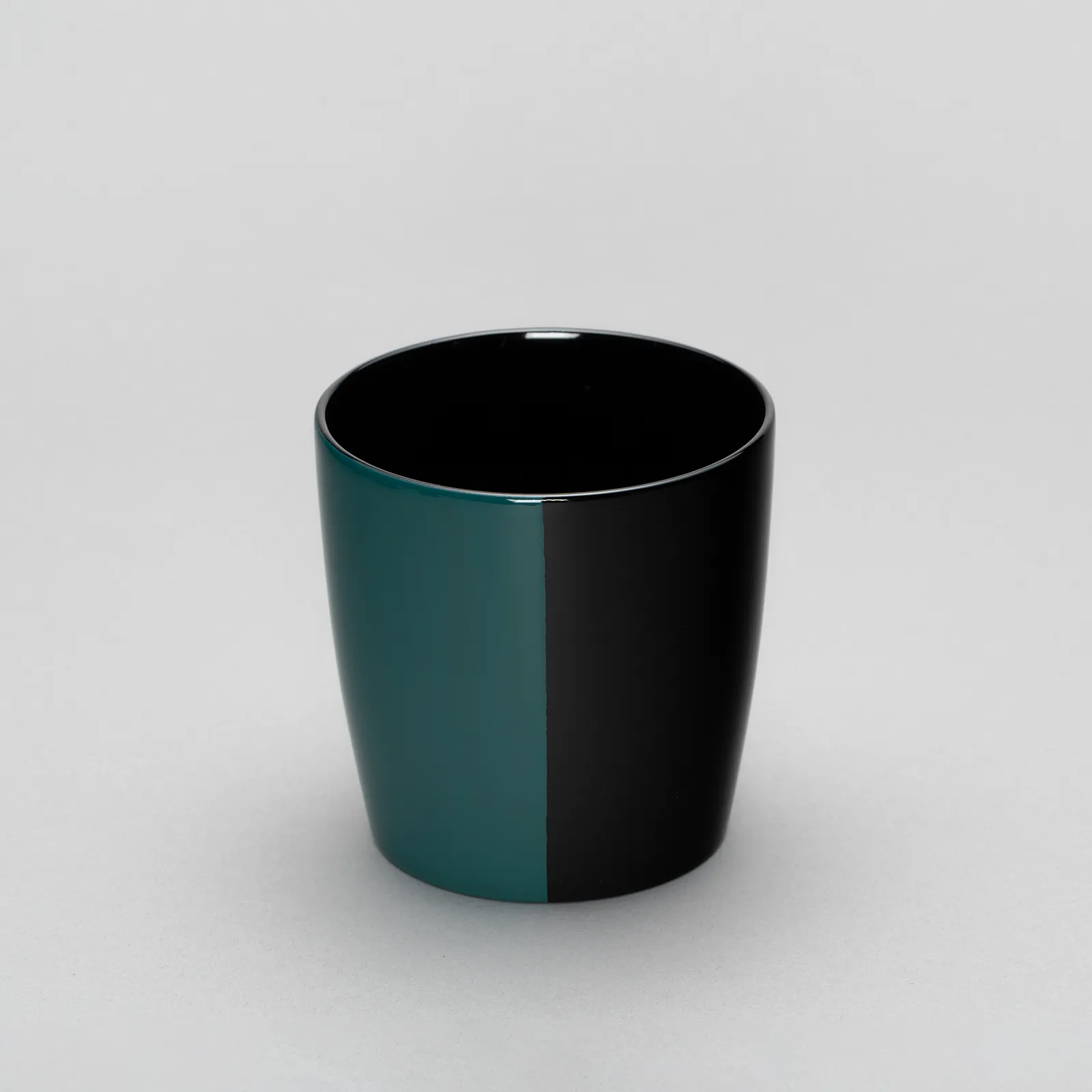
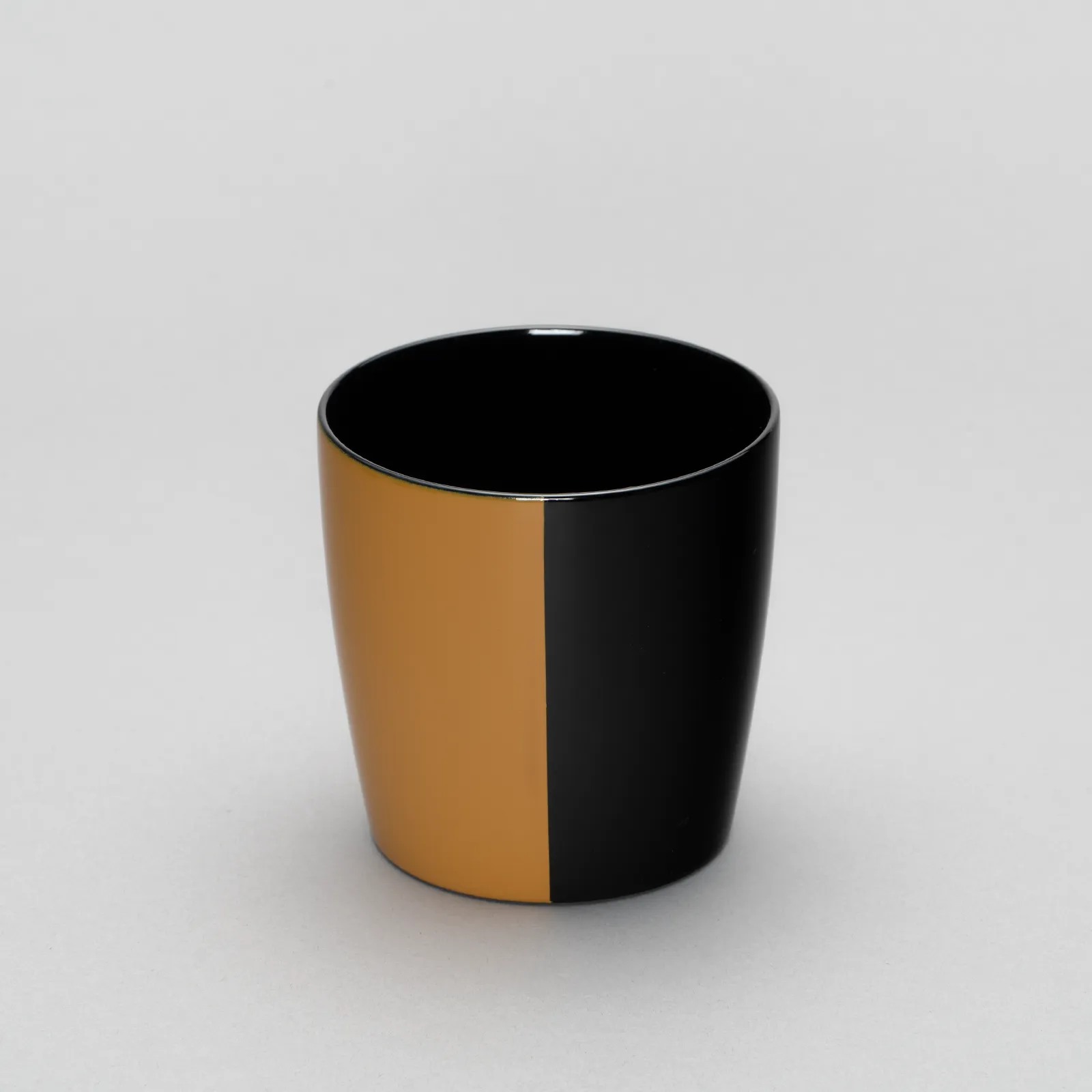
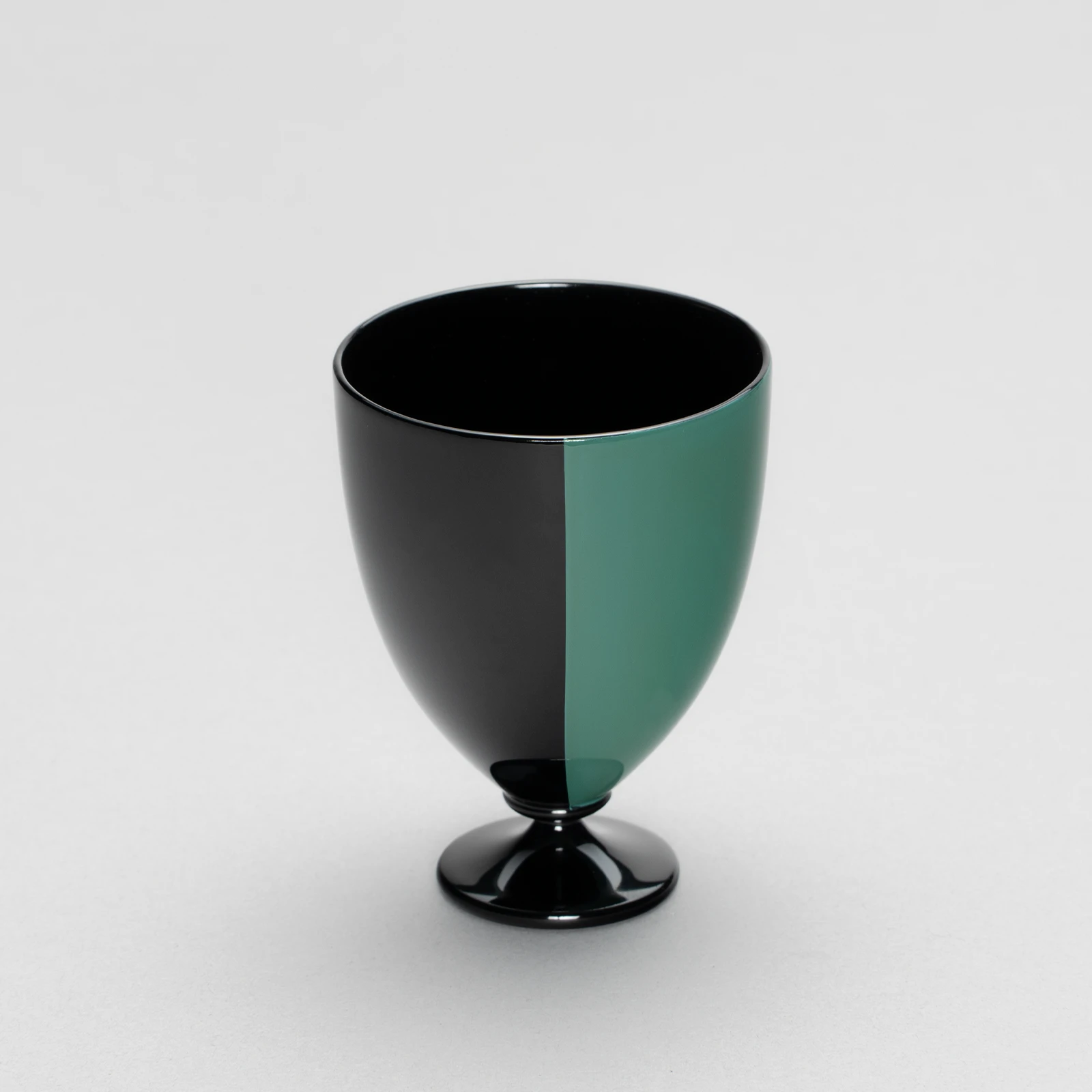
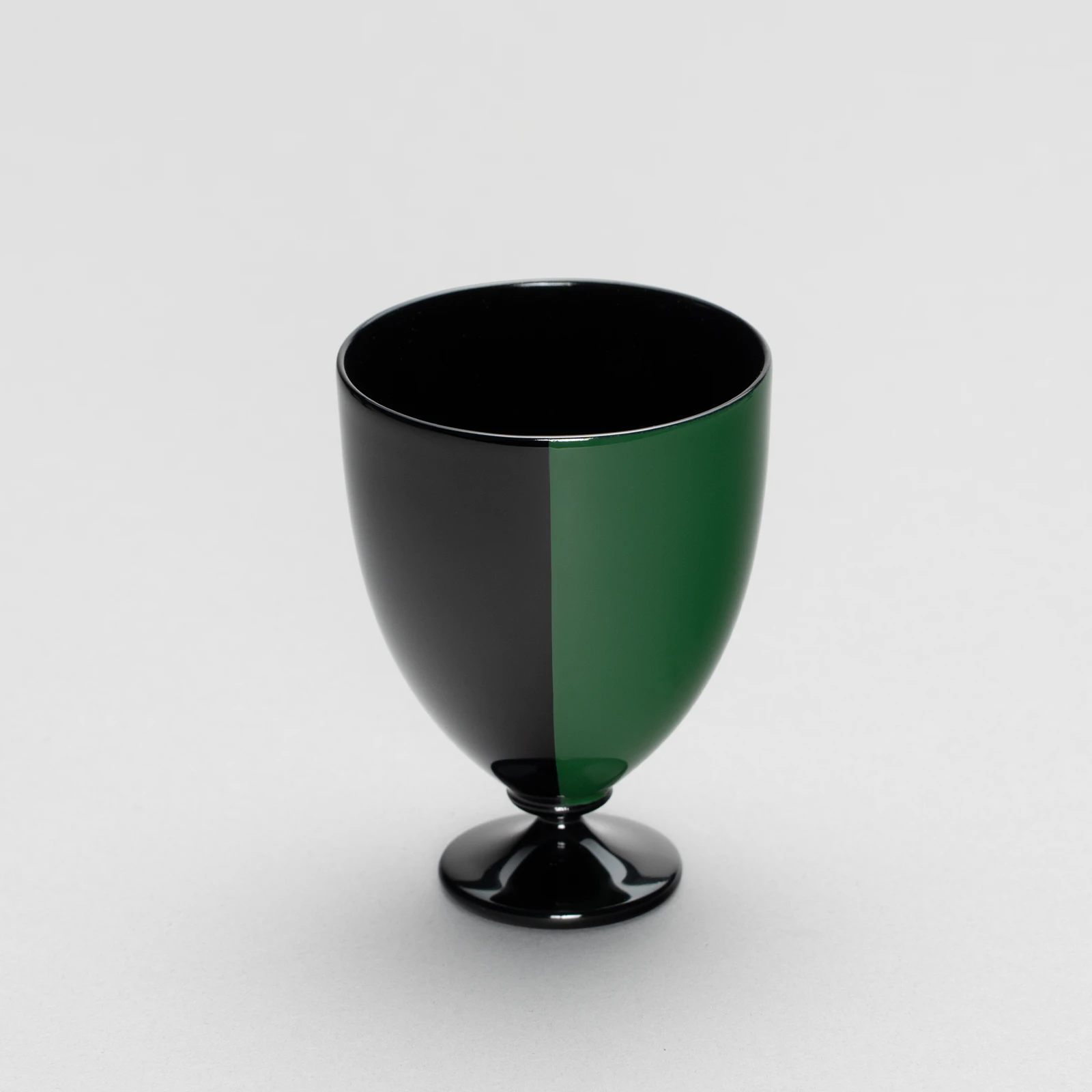
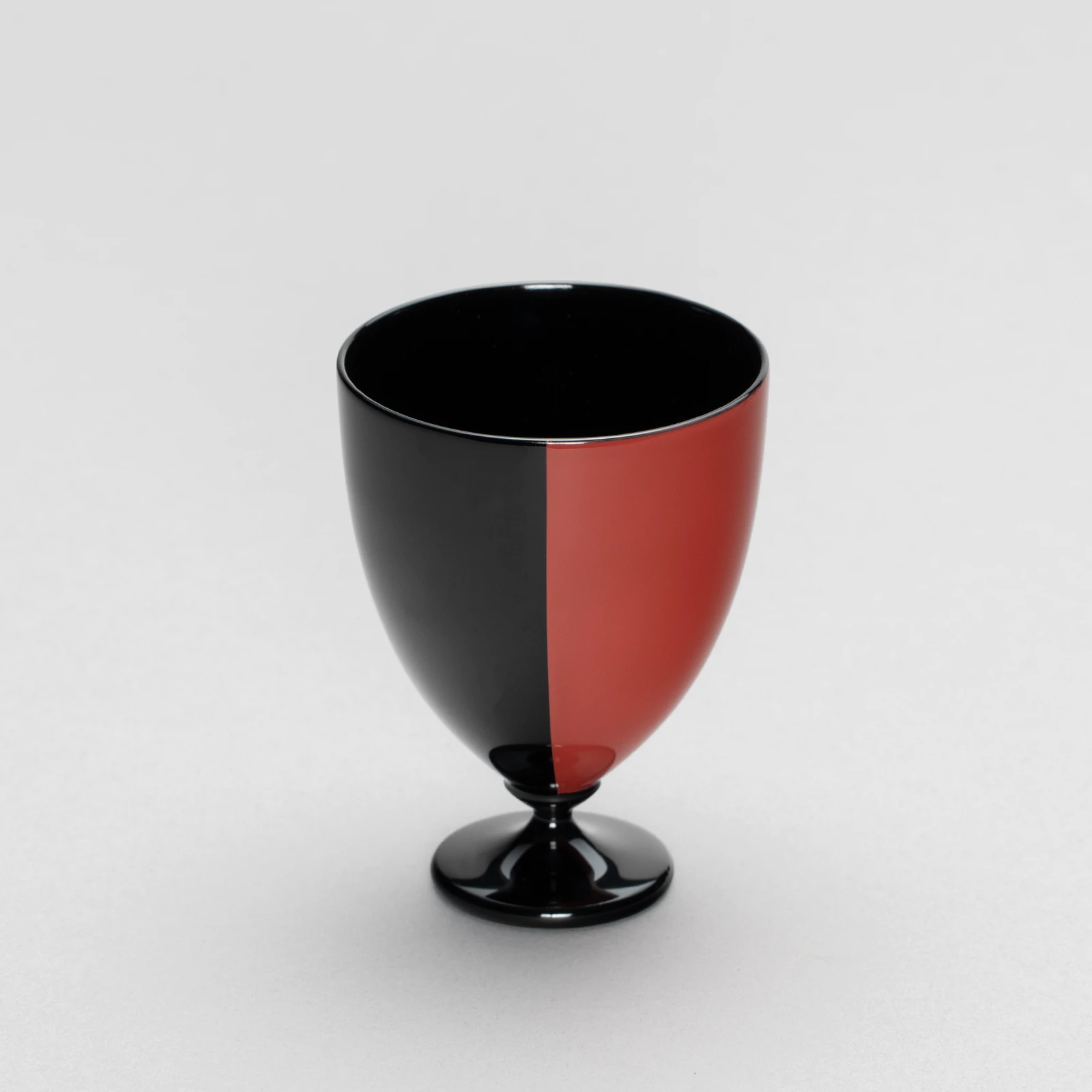
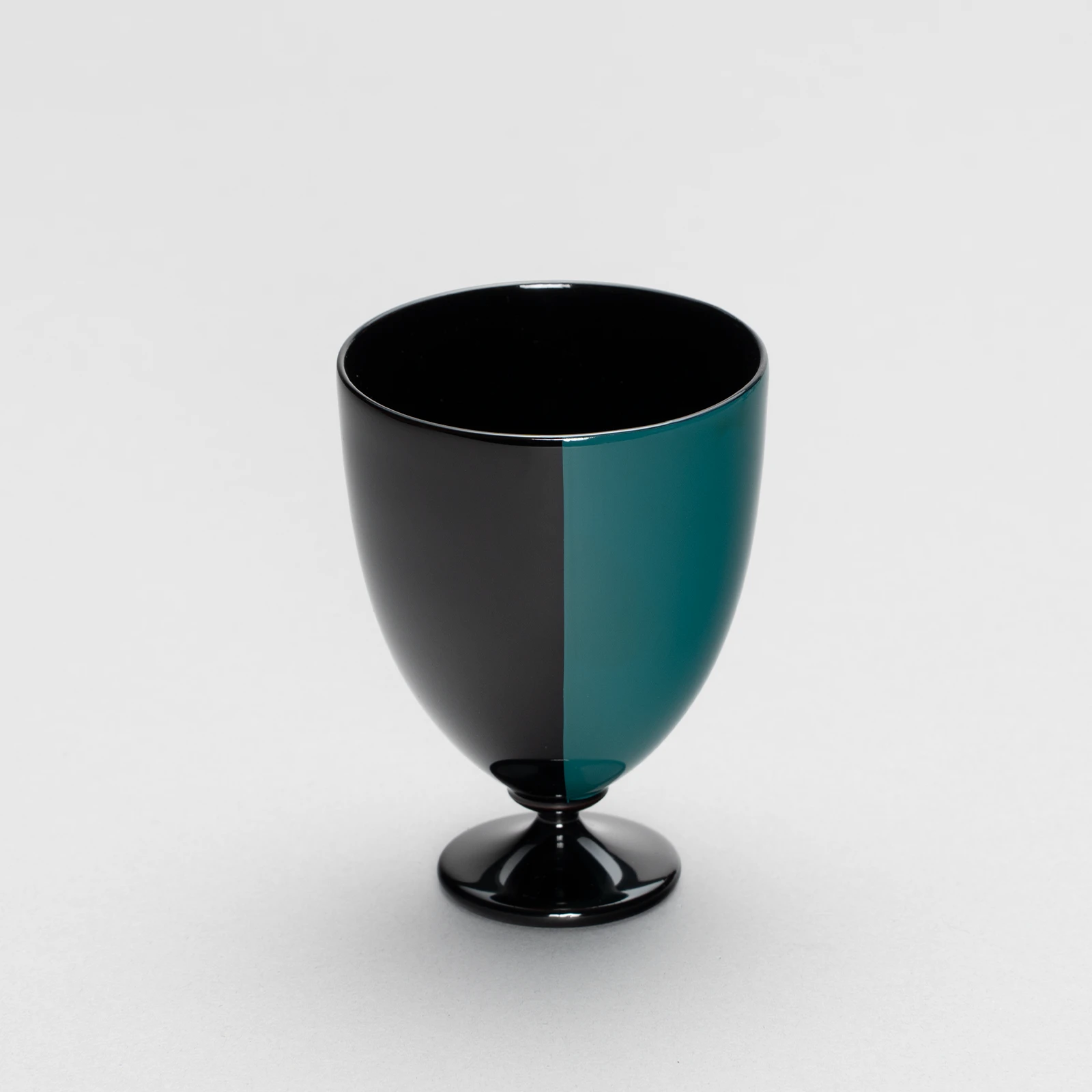
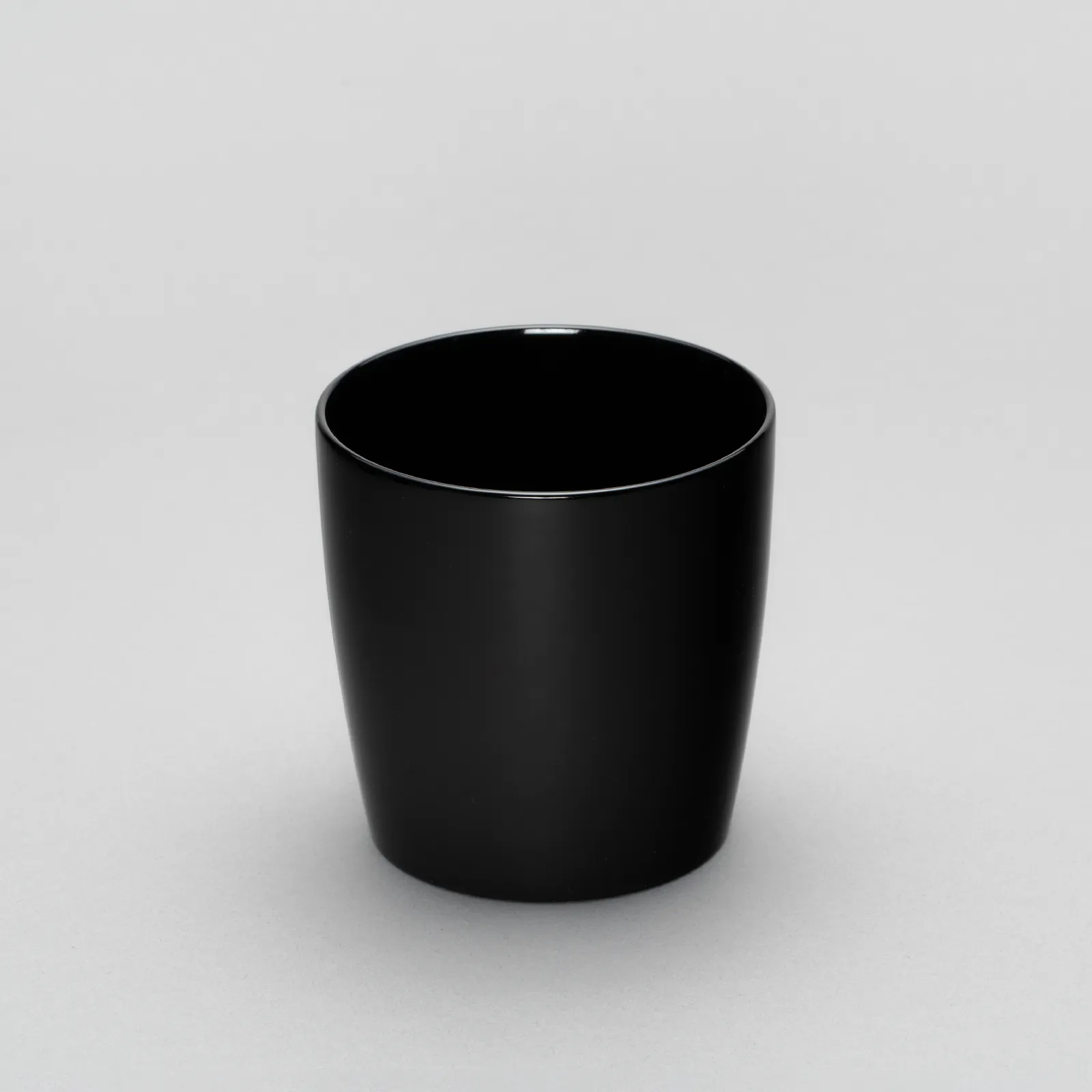
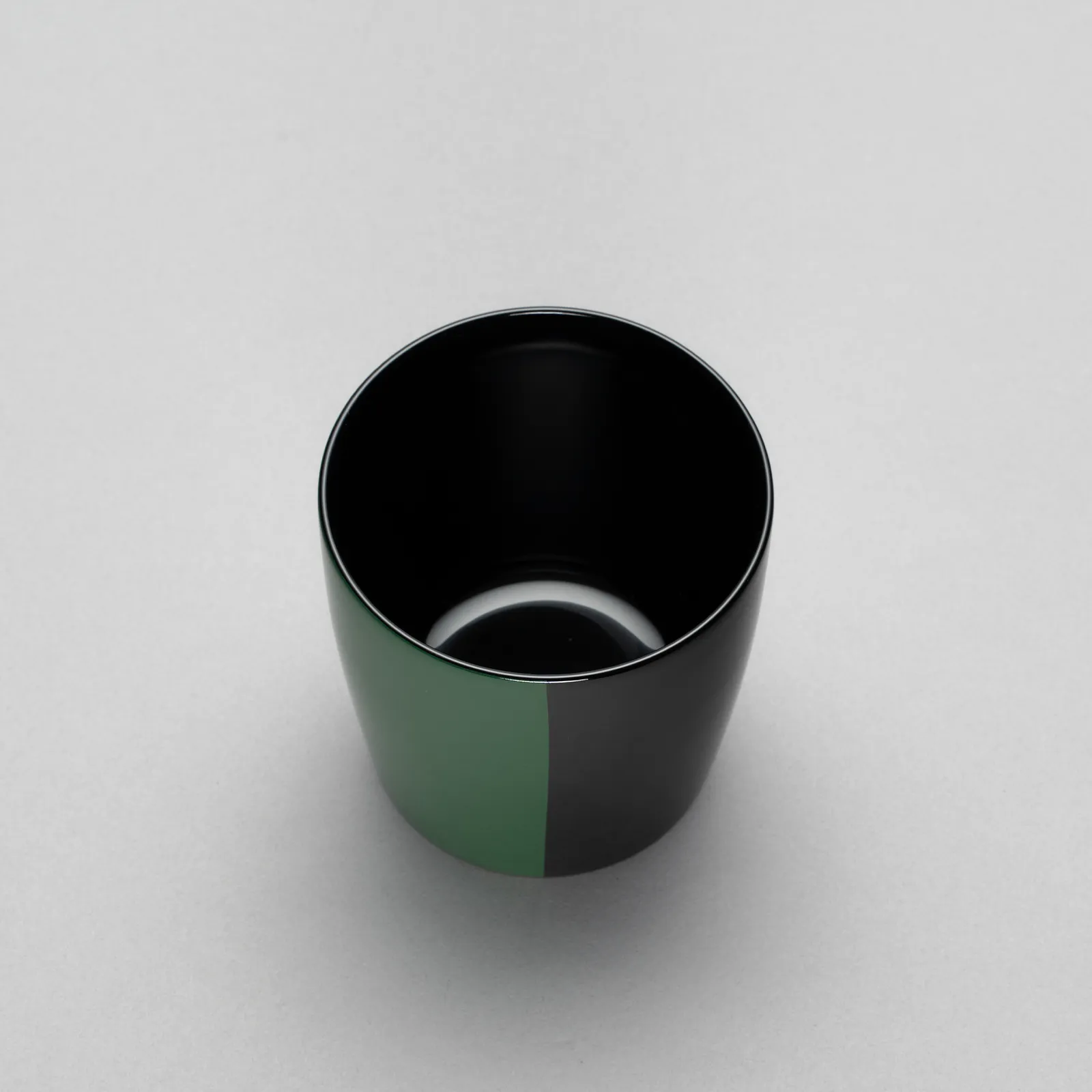
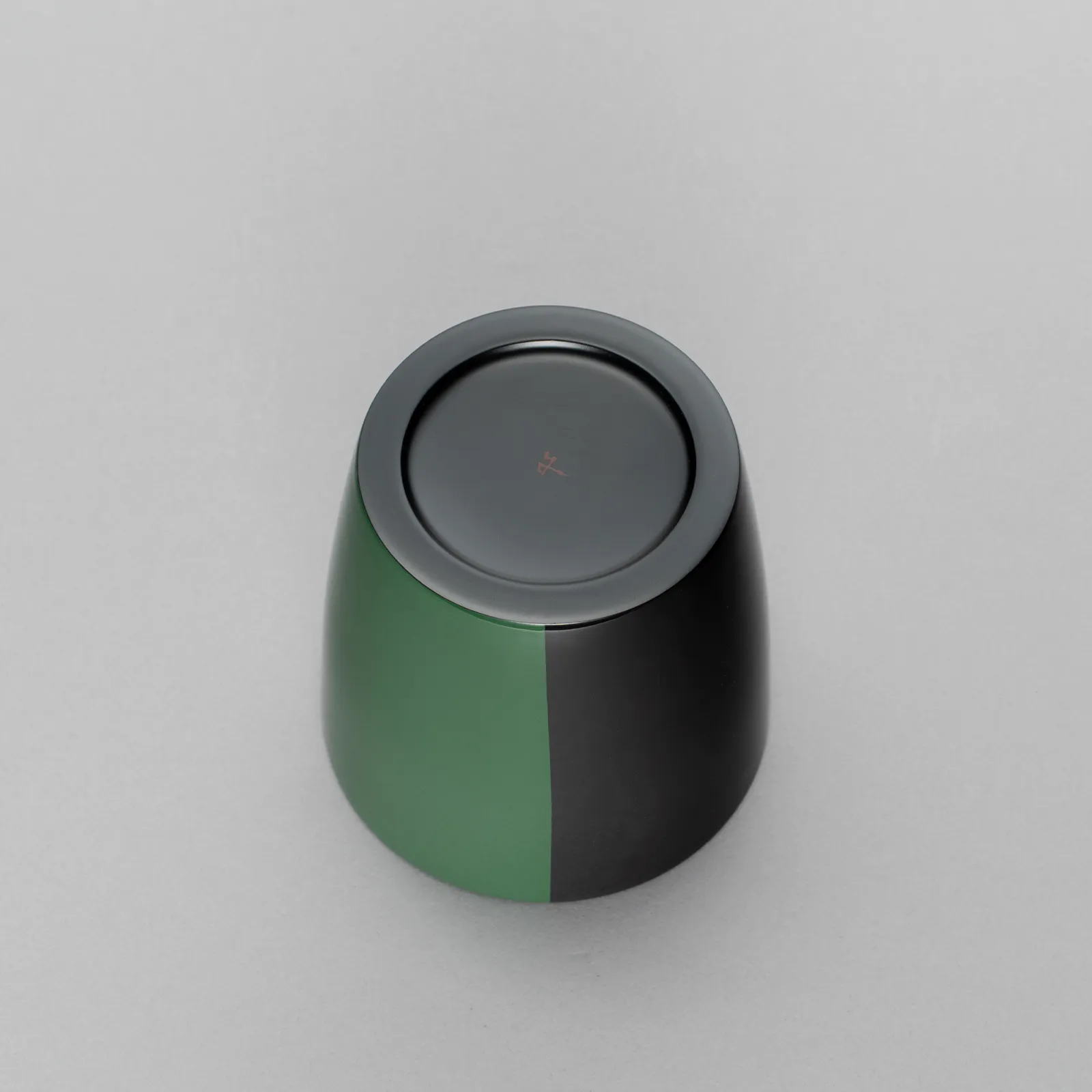
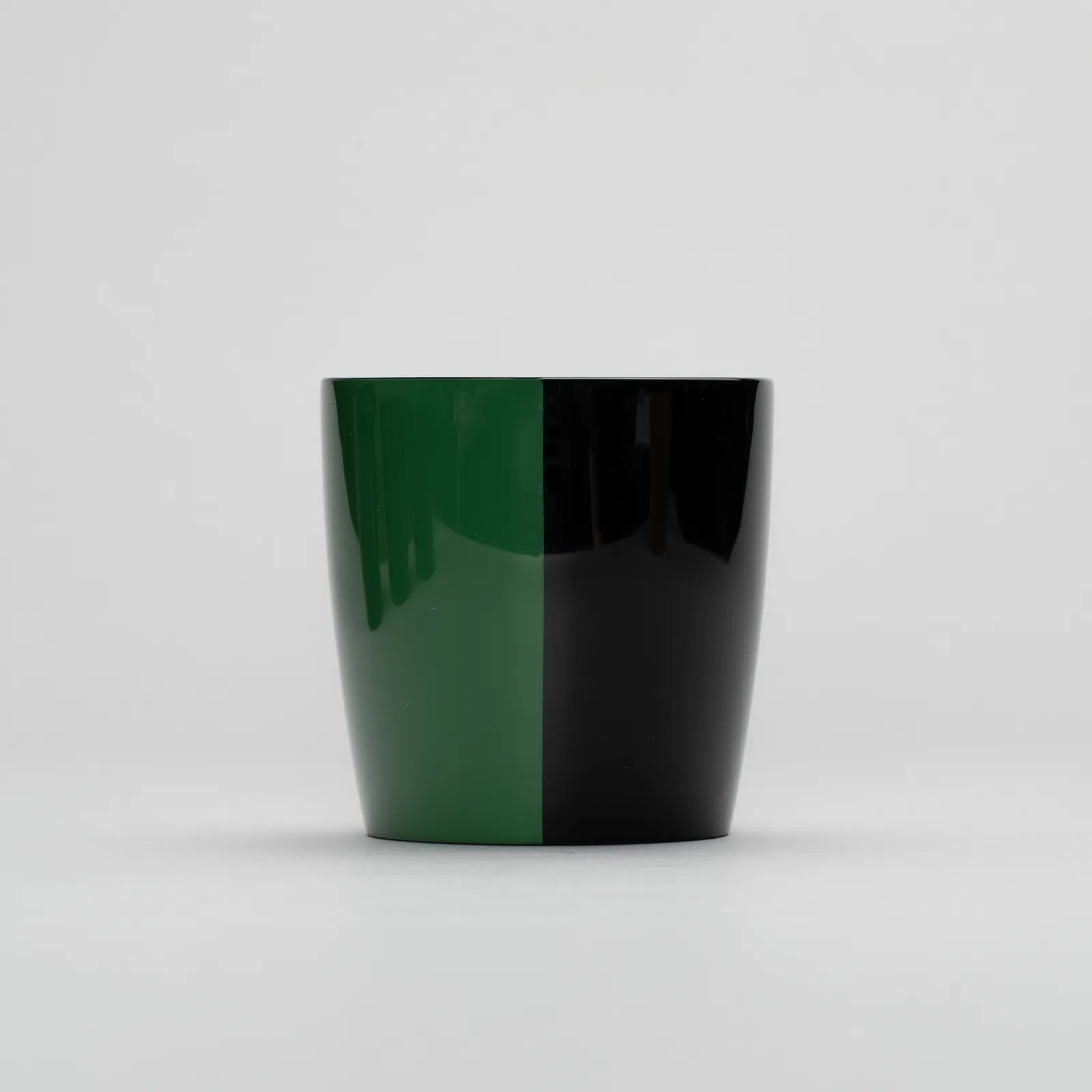
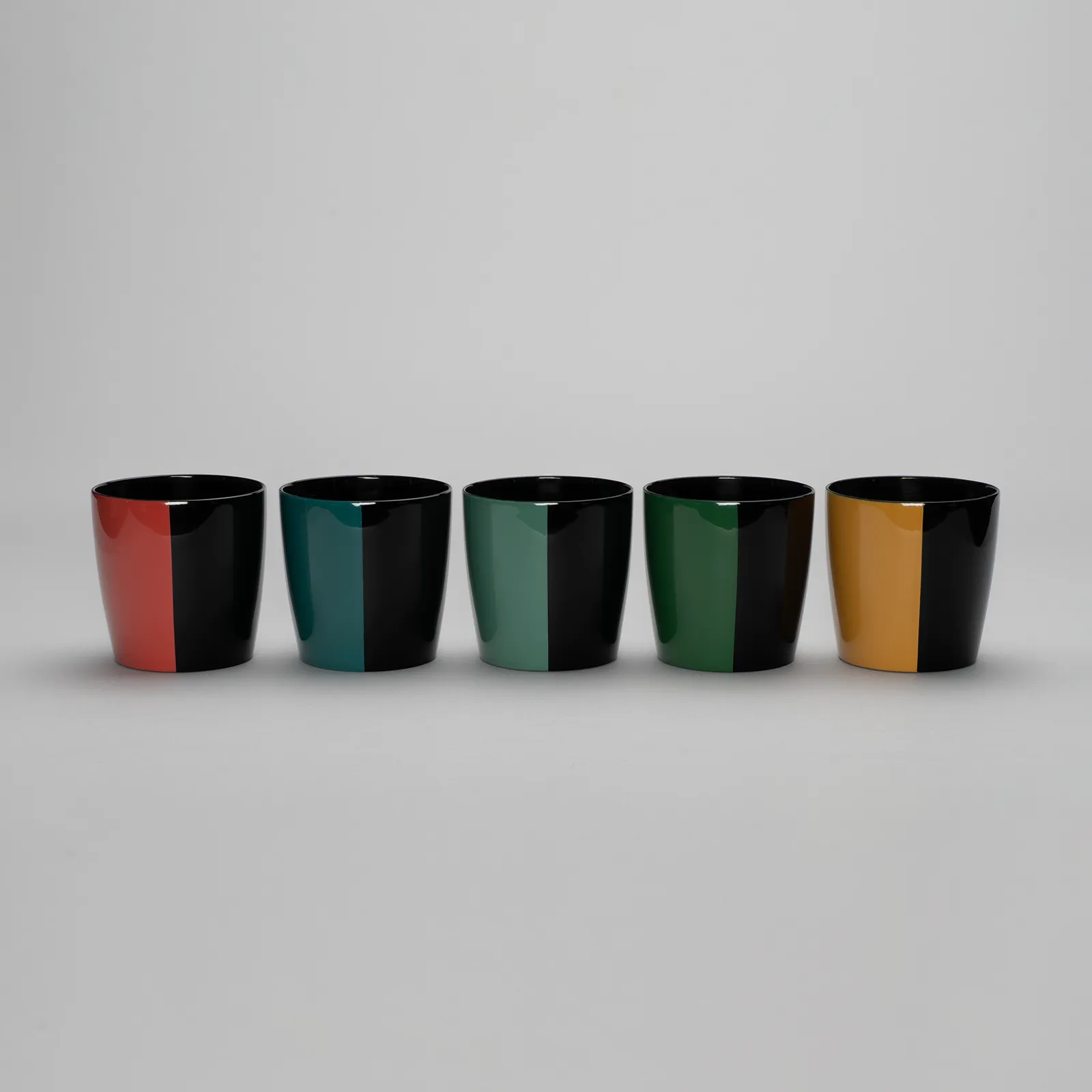
The body is built in dry lacquer, and for the finishing stages that follow I am committed to the finish known as nuritate, in which the final coat is left as it is. Lacquer art has many techniques, maki-e among them, but because I want works that bring out the texture and colour inherent in lacquer itself, I finish them as far as possible by coating alone.
There is also a method called roiro finishing, in which the lacquer is repeatedly ground and polished after coating to raise a gloss, but as a rule I do not do this. I show the surface of the final coat of lacquer just as it is. I work out the finish while considering what colouring suits the use and the form, and how much gloss will bring the vessel to life. Applying the lacquer evenly, and keeping the thickness of the film consistent, become critical.
——What do you find most difficult in the making?
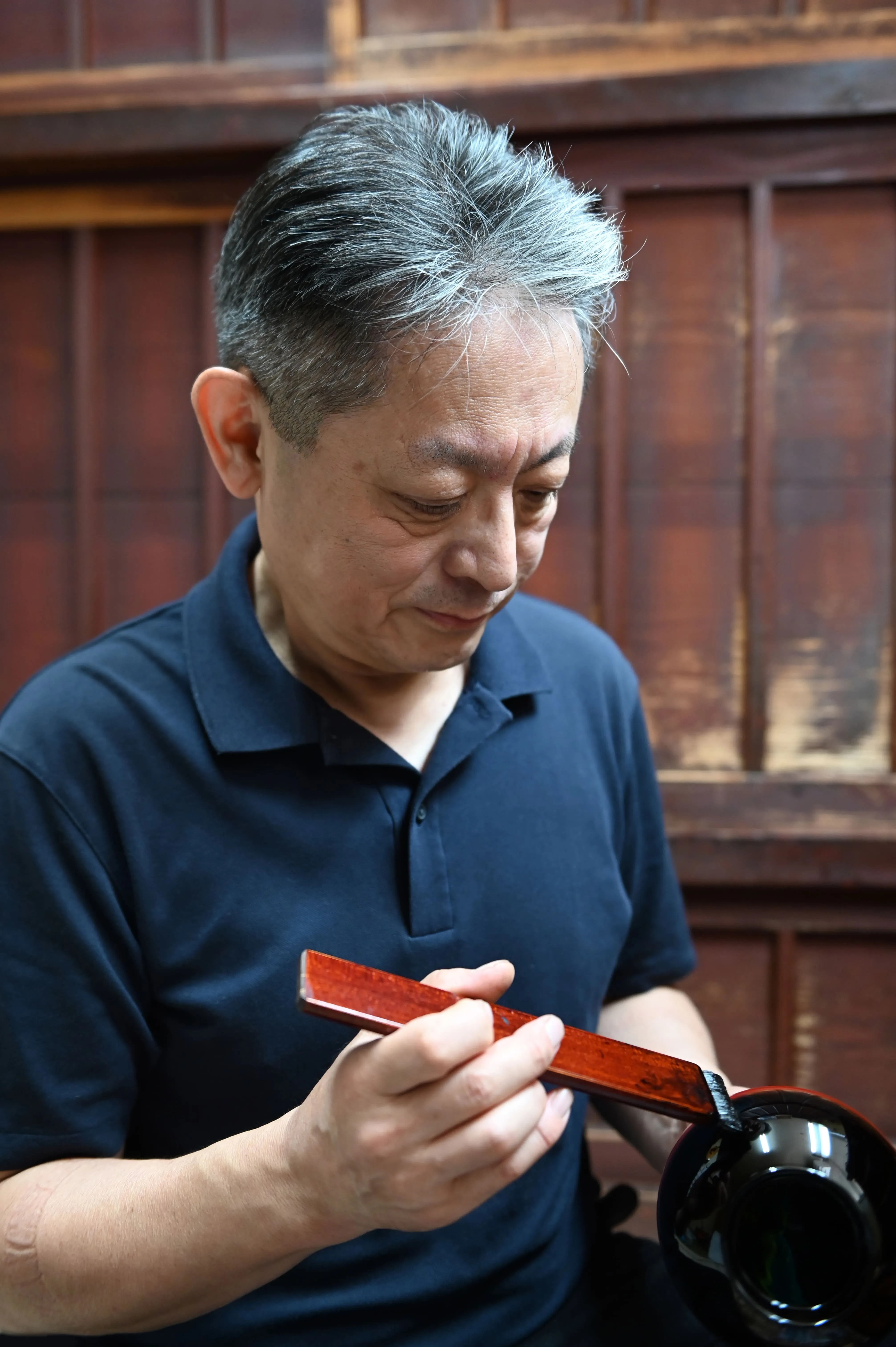
It is how to make the surface of the lacquer look as beautiful as possible. Lacquer varies from batch to batch, and each dries at a different speed. You have to grasp the character of the lacquer you are handling at the time and work with those properties. Lacquer does not dry by the evaporation of water as ordinary paints do. At a moderate level of humidity, water acts as a catalyst and the lacquer hardens through oxidation. If the humidity is too high, the surface puckers and wrinkles and the piece is ruined. Fine dust and particles must not settle on the surface either. In the world of lacquer these are sometimes called hoshi, “stars.” Even one is conspicuous, so the question is how to keep them off, and how to remove them cleanly. That too is difficult.
It often happens that one is “played with by the lacquer.” So I work in the spirit of playing with the lacquer myself, rather than being played with by it.
Even when it depicts the cosmos, a vessel exists to bring out the food
——How would you like people to enjoy your work?
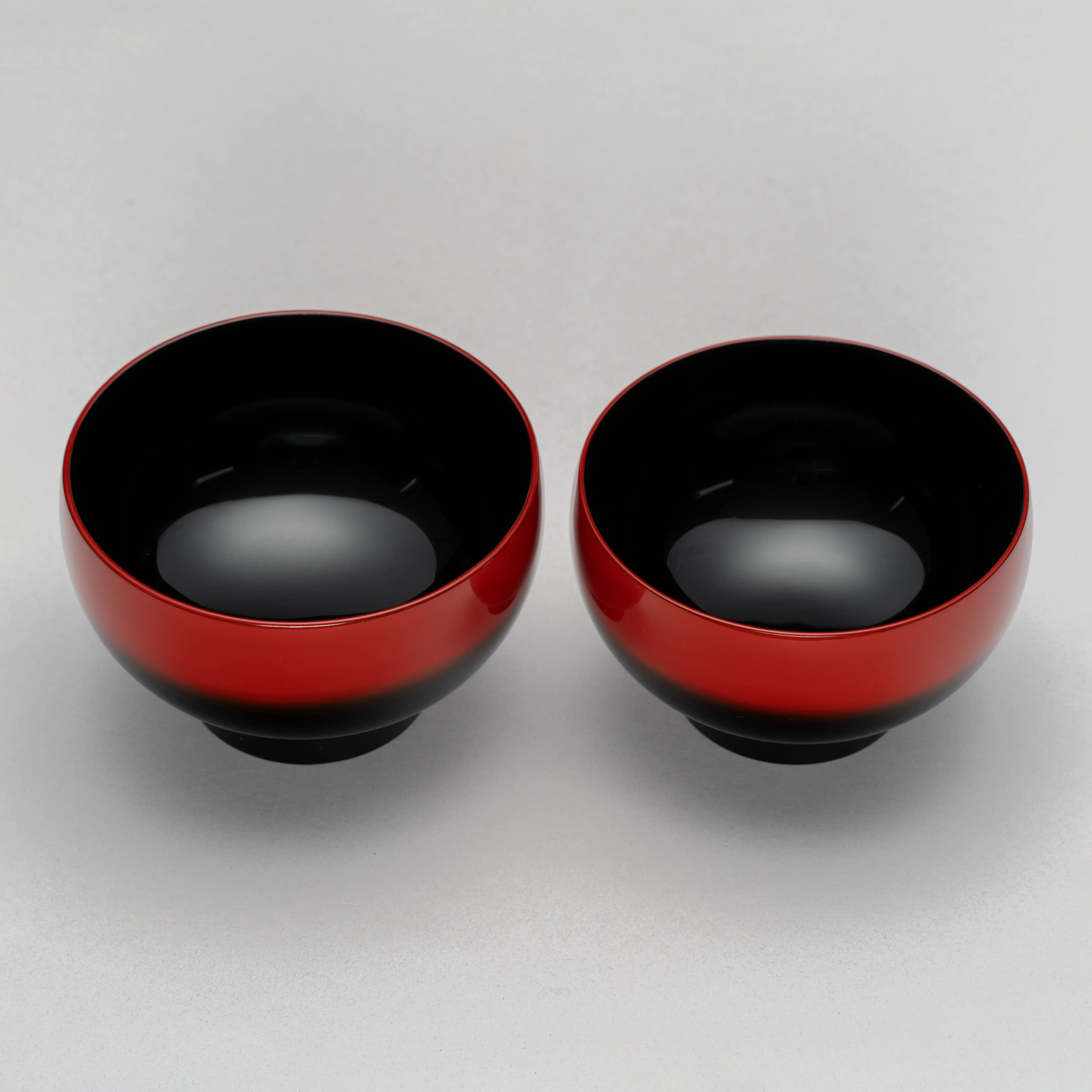
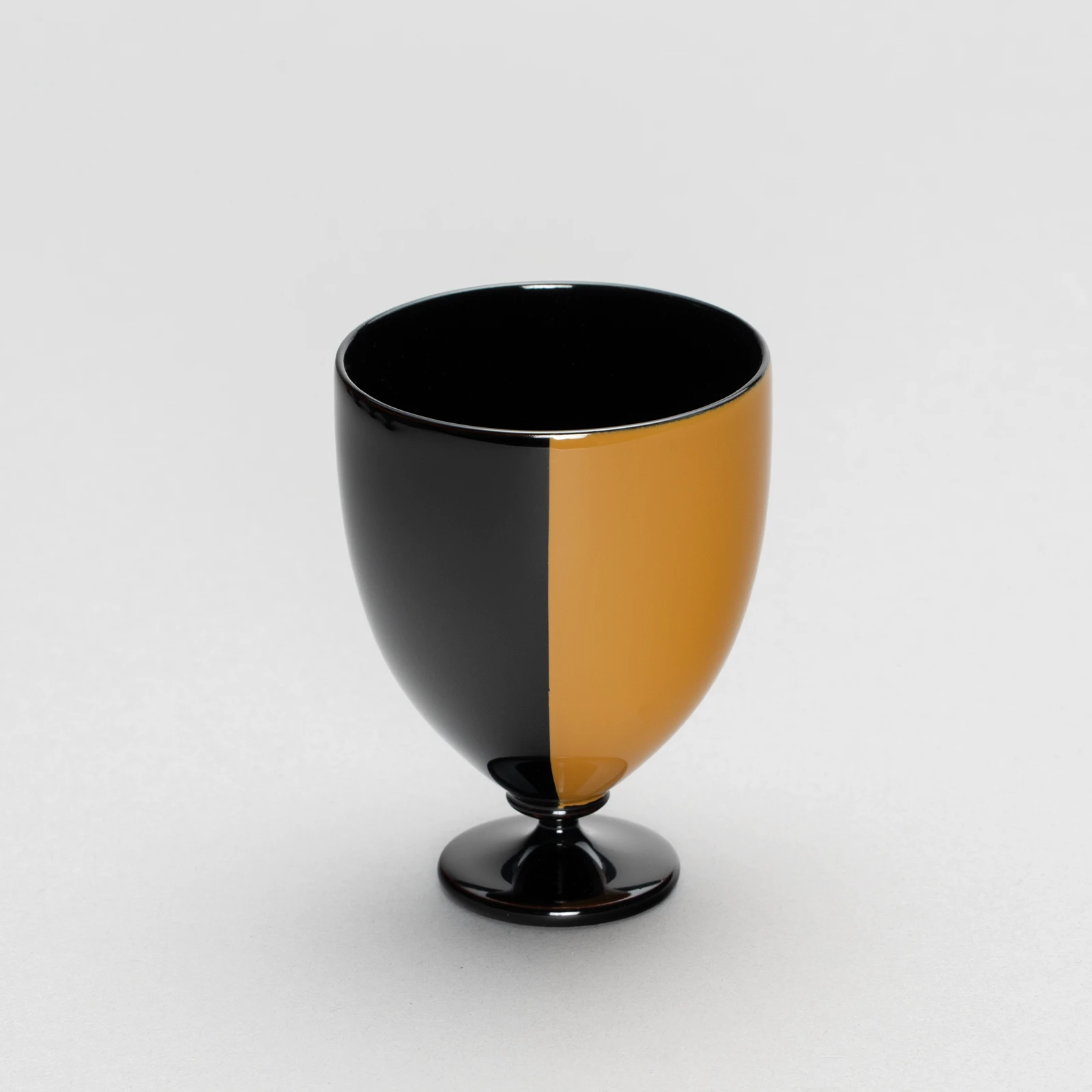
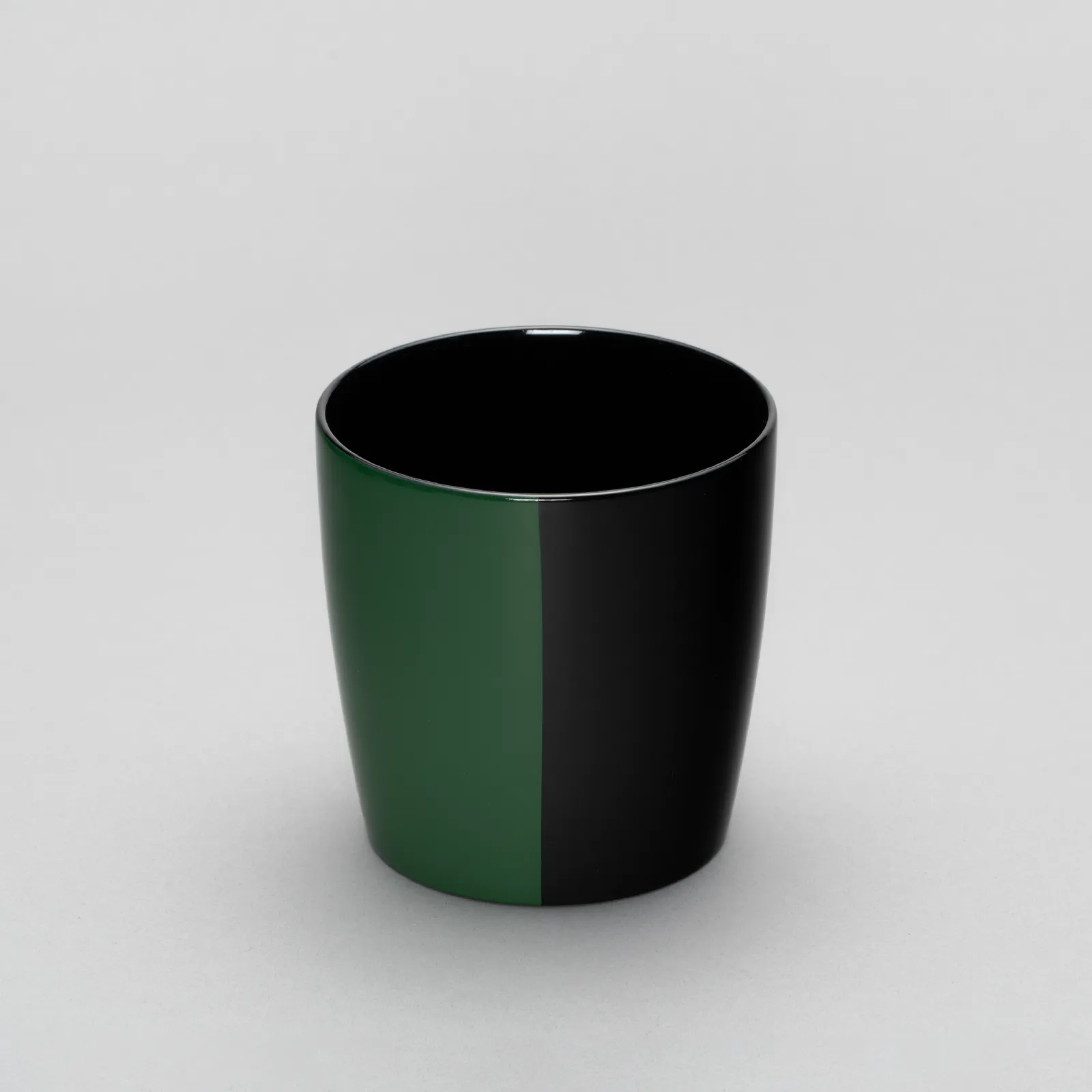
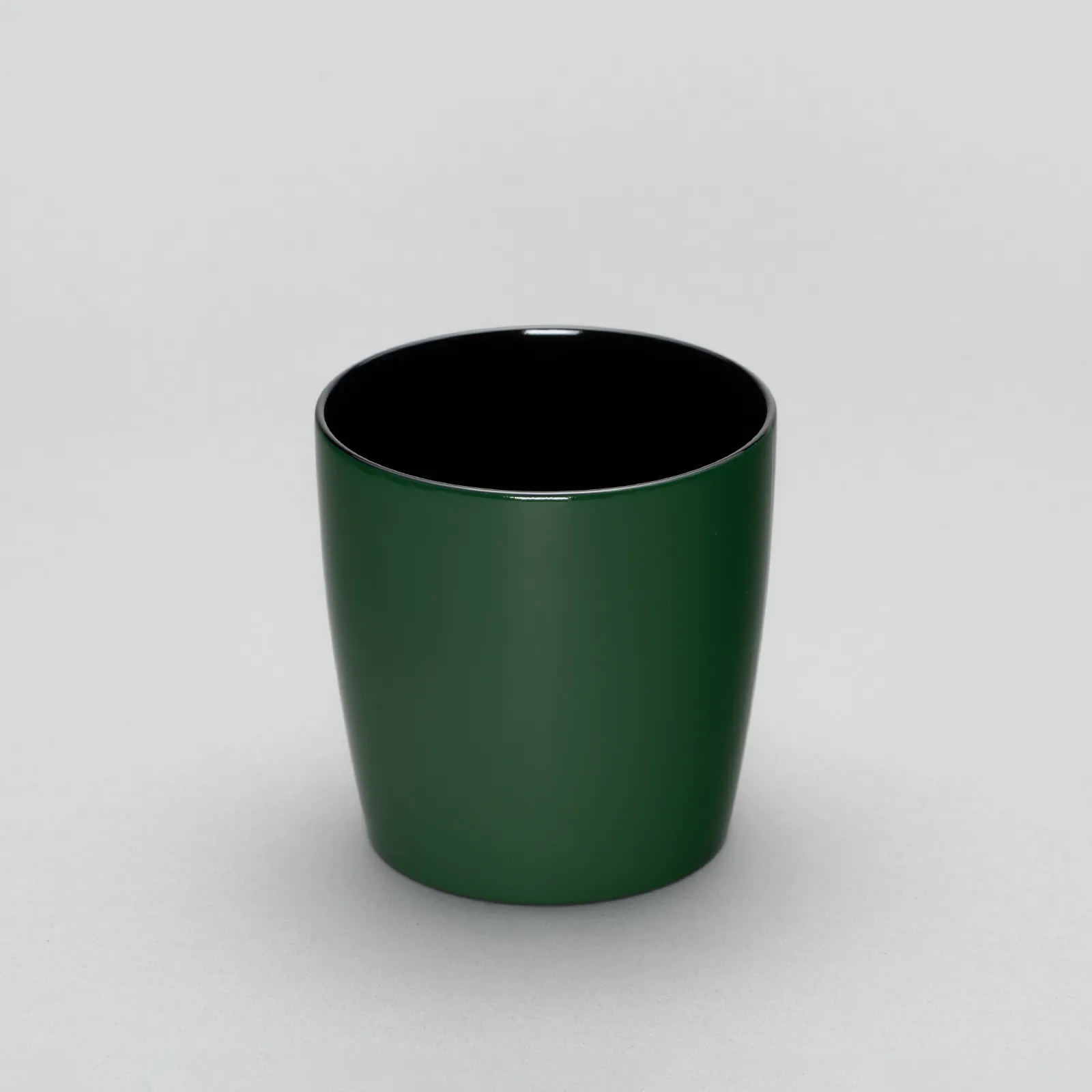
What I usually make is largely tableware—soup bowls, plates, individual serving dishes and the like. To my mind, a vessel exists, above all, to bring out the food. I do not want to make vessels in which the maker's self-expression grows so strong that it kills the food. I work while weighing that balance, so that both the dish and the vessel come alive. If those who take one in their hands sense something of this, I shall be glad.
So that people know at a glance: “this is an Arakawa”
——Is there something you want to work towards as an artist from here?
I still recall what my teacher said to me before I began working as a lacquer artist.
“You must make works that, on sight, people will recognise as Arakawa's.”
I have worked doggedly towards that. Lately people have at last begun to say, “ah, that's an Arakawa.” So perhaps I have come a little way towards where I was aiming. I want to go on refining work that is more and more my own.
——What kind of time is the act of making, for you?
To bring something out of a space of nothing and make it exist. While I am thinking “what shall I make?” I feel tremendously excited. Once I actually begin, on the other hand, there are the practical labour pains of creation: “what form should this take?” “how do I finish it so that it becomes what I had in mind?” It is a pleasure and a torment at once. Both (laughs).
A lustrous cosmos and planetary orbits, encountered at sea
——Finally, a message for those who will see your work aboard the Asuka.
Above all, I would like people to feel the beauty of lacquer. Lacquer has a texture all its own—a soft gloss, a kind of quiet moistness. I aim to make works through which the appeal of lacquer itself can be felt, so I shall be glad if my work conveys even a little of that to those who see it.
Raised in a centre of Yamanaka lacquerware production, Fumihiko Arakawa chose dry lacquer in order to generate the forms of his works himself, and found the orbits of planets in a single strand of silver wire. True to his words—that a vessel exists to bring out the food—his work holds together an artist's will towards form and the restraint proper to beauty in use.
Alongside the stellar orbits described on the surface, we hope you will also enjoy the soft gloss and moistness that belong to lacquer itself.