


Message from Yasumasa Komiya sensei
Since Edo Komon is dyed in a single color, my aim is to dye in a pure jem-like color, and a bright and clear color that does not lose its shine even after many years. Using the techniques passed on from the Edo period, I am trying to develop works that fit in our modern lifestyle.
- Year of Production-
- Artwork DimensionsH 16.0 x W 15.2 cm
- Shared BoxNo
- Material100% Silk
- TechniqueEdo komon dyeing
- Artwork ConditionNew, unused
- FormatActual artwork available (with certificate)
- Authenticity Determination DataUnavailable
- Storage/Exhibition Location-
- SellerARTerrace
- Scheduled Shipping Date, etc.-
こぶくさ あまま
古帛紗 雨間 | Square of Classic-patterned Fabric “Amama”
Yasumasa Komiya
Living National Treasure / Holder of Important Intangible Cultural Property "Edo komon (Edo small crests)"
Bid/purchase currency: Japanese yen
Price (including tax)
¥
16,500- Year of Production-
- Artwork DimensionsH 16.0 x W 15.2 cm
- Shared BoxNo
- Material100% Silk
- TechniqueEdo komon dyeing
- Artwork ConditionNew, unused
- FormatActual artwork available (with certificate)
- Authenticity Determination DataUnavailable
- Storage/Exhibition Location-
- SellerARTerrace
- Scheduled Shipping Date, etc.-
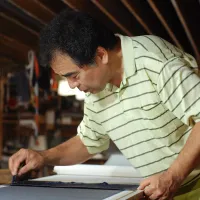
Komiya Yasumasa
Yasumasa Komiya
Japan Kōgei Association
Textile
- 1983
Received the Minister of Education, Science and Culture Prize at the 30th Japan Traditional Art Crafts Exhibition
- 1990
Received the 10th Anniversary Special POLA Excellence Award
- 1994
Received the Excellence Award at the 7th MOA Mokichi Okada Awards
- 1998
35th Japan Traditional Crafts – Dyeing and Weaving Exhibition – Nikkei Inc. Award
- 2006
Received the Prince Takamatsu Memorial Prize at the 53rd Japan Traditional Art Crafts Exhibition
- 2010
44th Japan Traditional Crafts – Dyeing and Weaving Exhibition – Nikkei Inc. Award
- 2010
Received the Medal with Purple Ribbon
- 2016
56th East Japan Traditional Crafts Exhibition – Director of Nezu Museum Award
Edo Komon is a dyeing technique that originated in the Edo period, traditionally used for formal samurai attire such as shikifuku and kamishimo. It involves dyeing white silk cloth, mounted on a single board, using stencils. I, Yasumasa, am the third-generation holder of this tradition, following Kosuke and Yasutaka.
Techniques such as kiku-kōshi (chrysanthemum lattice), amama (rain spacing), and sujisansuji (triple lines), which are dyed in a single color with meticulously detailed patterns, may appear plain from a distance—but upon closer inspection, their exquisite beauty becomes apparent. This work can only be completed through years of experience and mastery of the craft.
➤ Related Articles
伝統とは、長年の改良を積み重ねた「最先端」のこと —人間国宝・小宮康正—

VIEW MORE
Artwork List

Yasumasa Komiya
古帛紗 極三筋 | Square of Classic-patterned Fabric “Gokumisuji”
Textile
Sold Out
¥
16,500
Yasumasa Komiya
古帛紗 四ツ目×松皮菱 | Square of Classic-patterned Fabric “Yotsume-iri-Matsukawabishi”
Textile
¥
16,500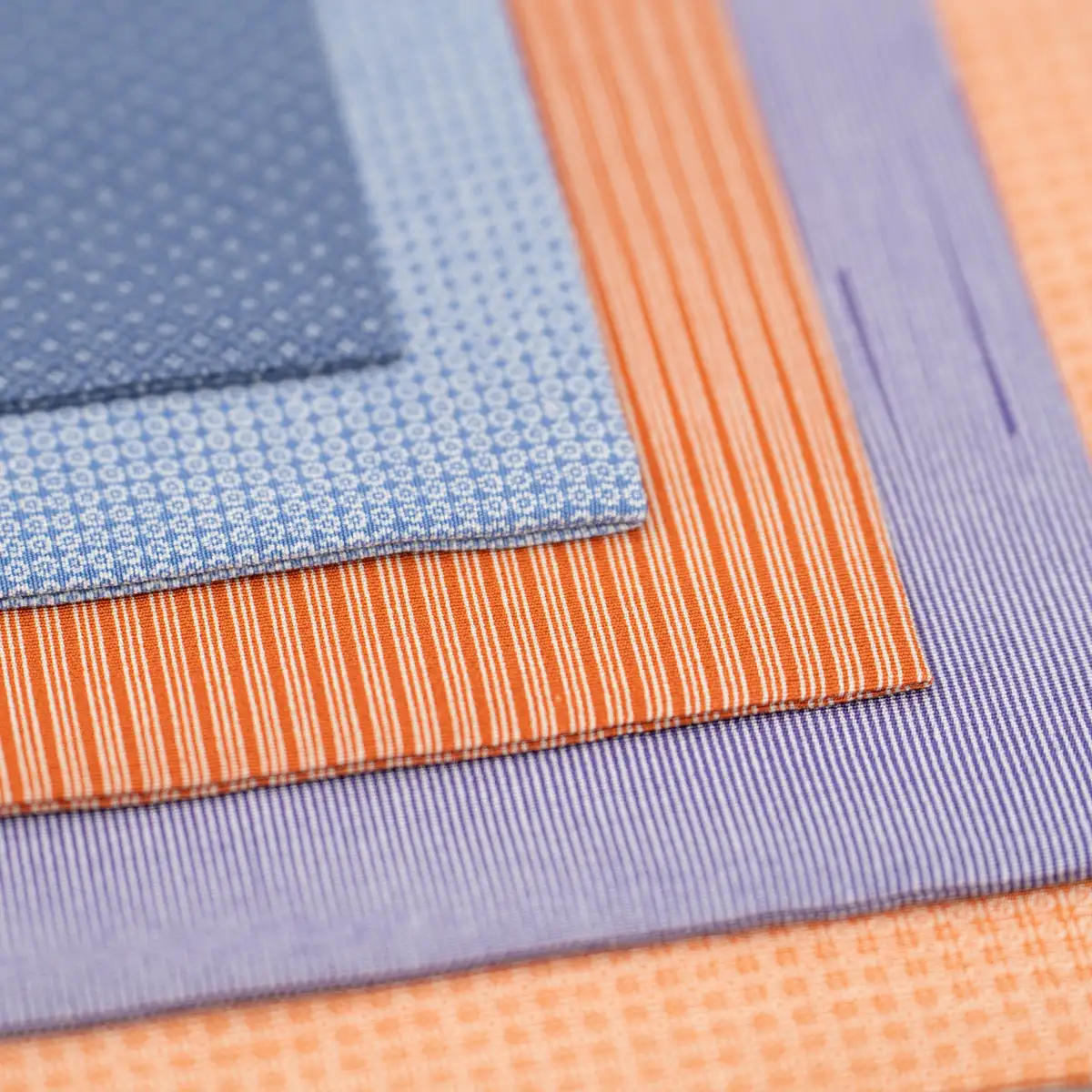
Yasumasa Komiya
古帛紗 四ツ目×松皮菱 | Square of Classic-patterned Fabric “Yotsume-iri-Matsukawabishi”
Textile
Sold Out
¥
16,500
Yasumasa Komiya
古帛紗 菊通し | Square of Classic-patterned Fabric “Kikudōshi”
Textile
Sold Out
¥
16,500Yasumasa Komiya
古帛紗 雨間 | Square of Classic-patterned Fabric “Amama”
Textile
Sold Out
¥
16,500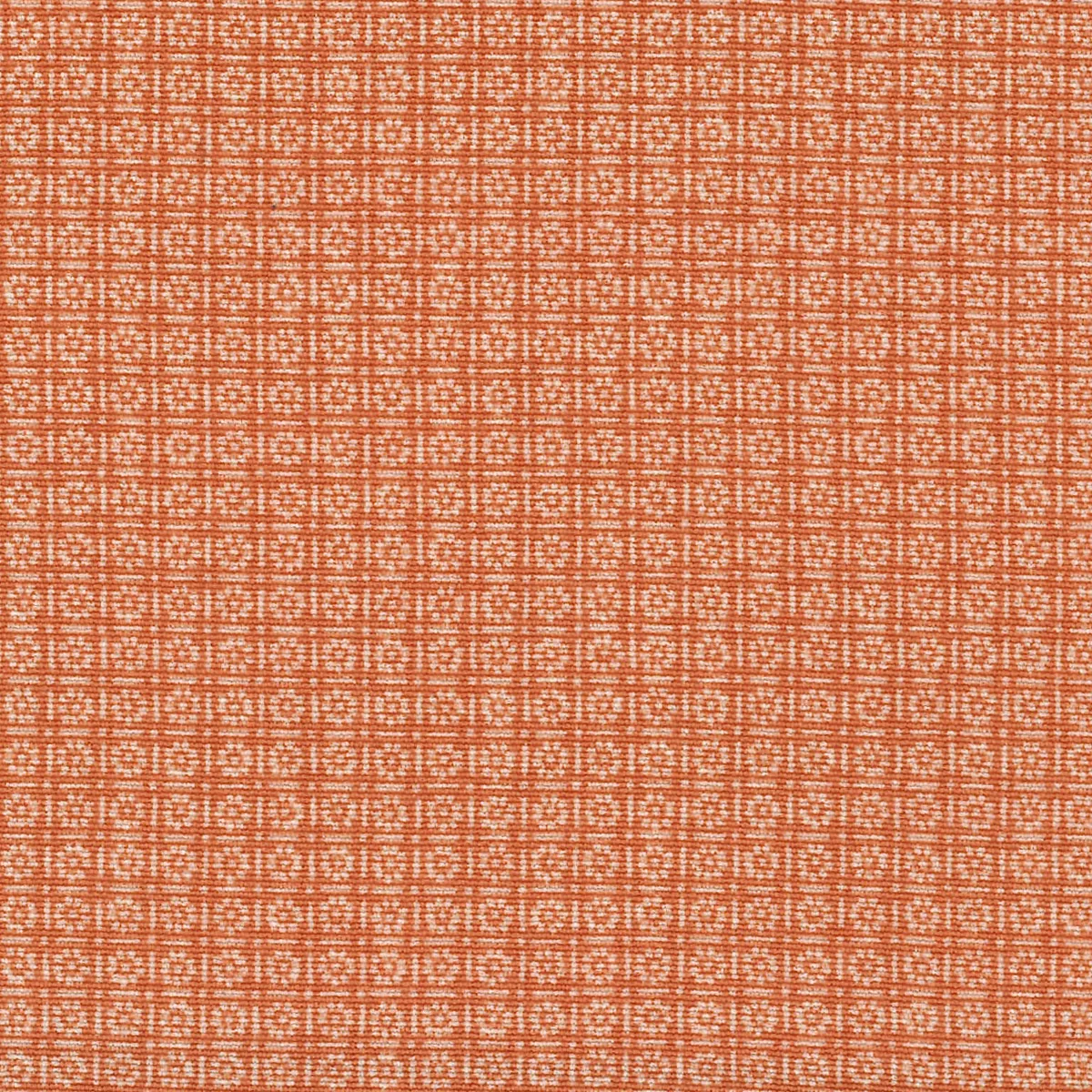
Yasumasa Komiya
古帛紗 菊格子 | Square of Classic-patterned Fabric “Kikugōshi”
Textile
Sold Out
¥
16,500

