Message from Jun Isezaki sensei
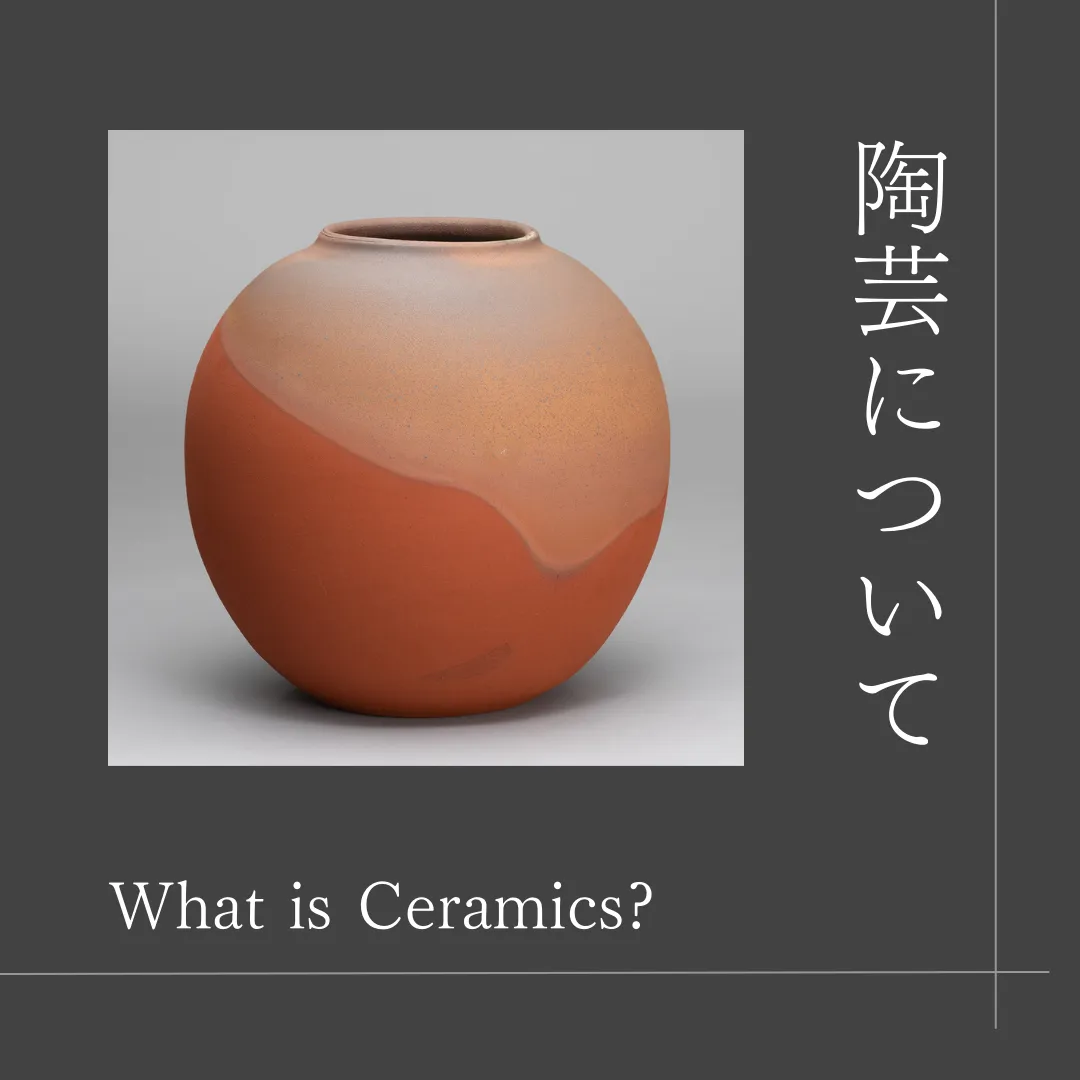
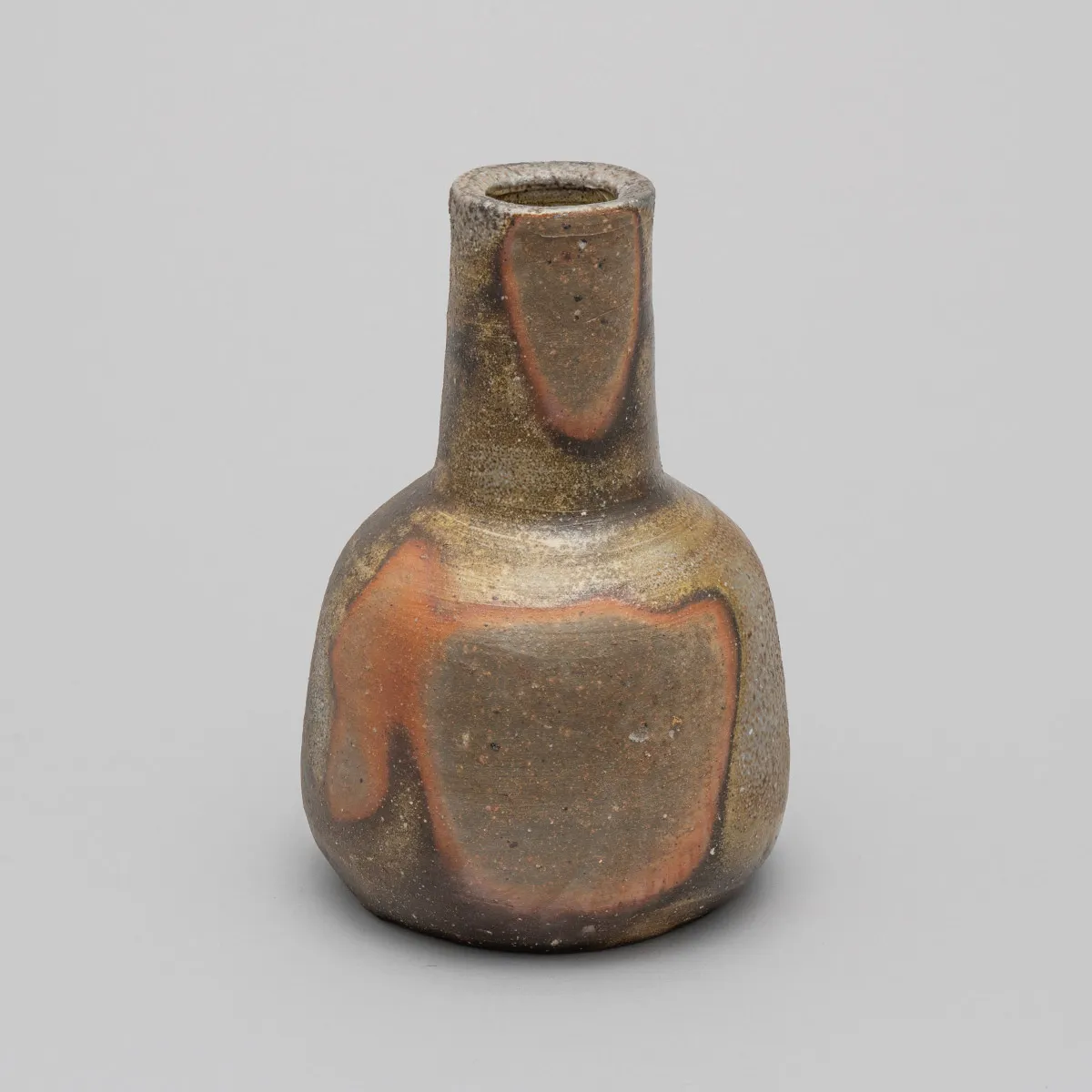
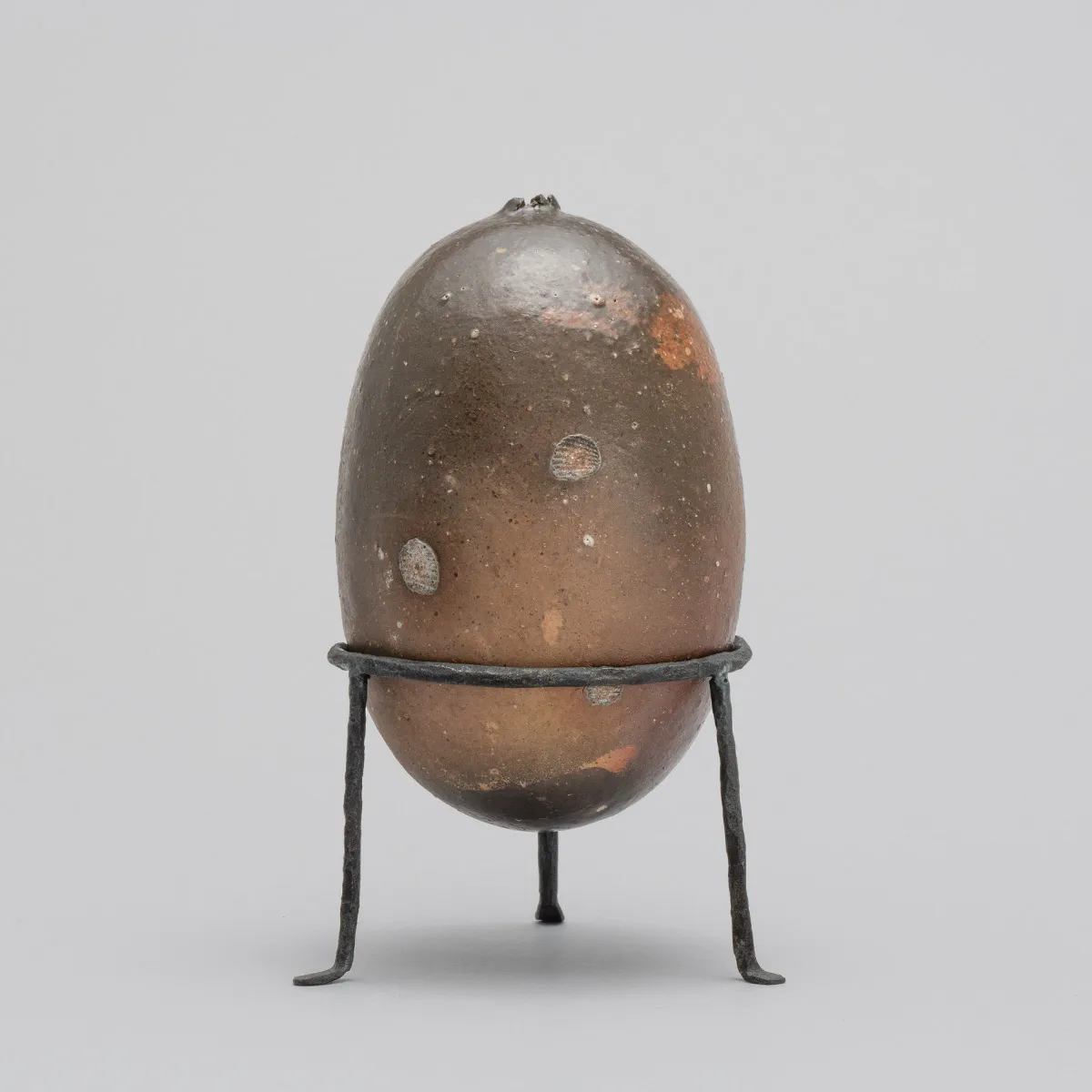
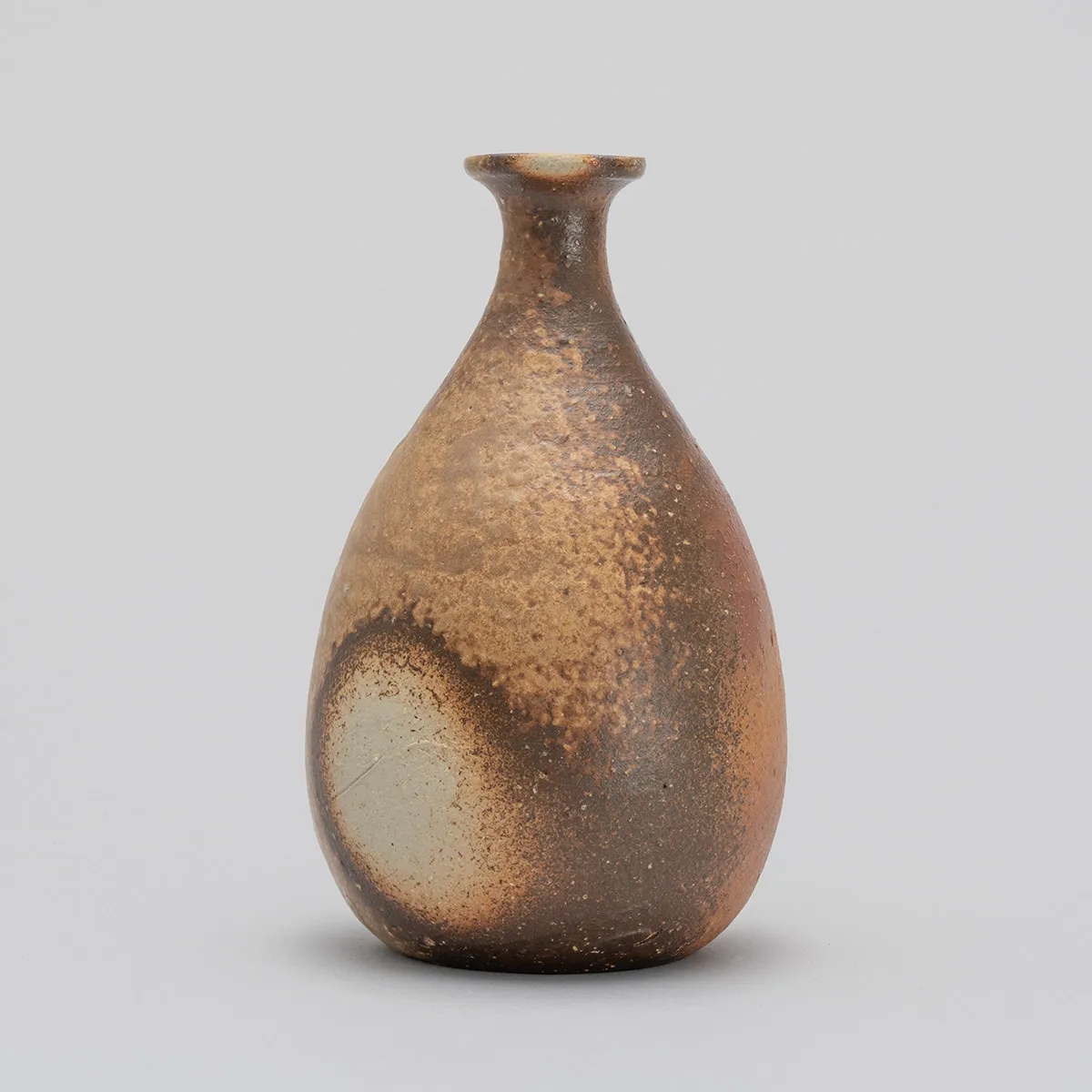
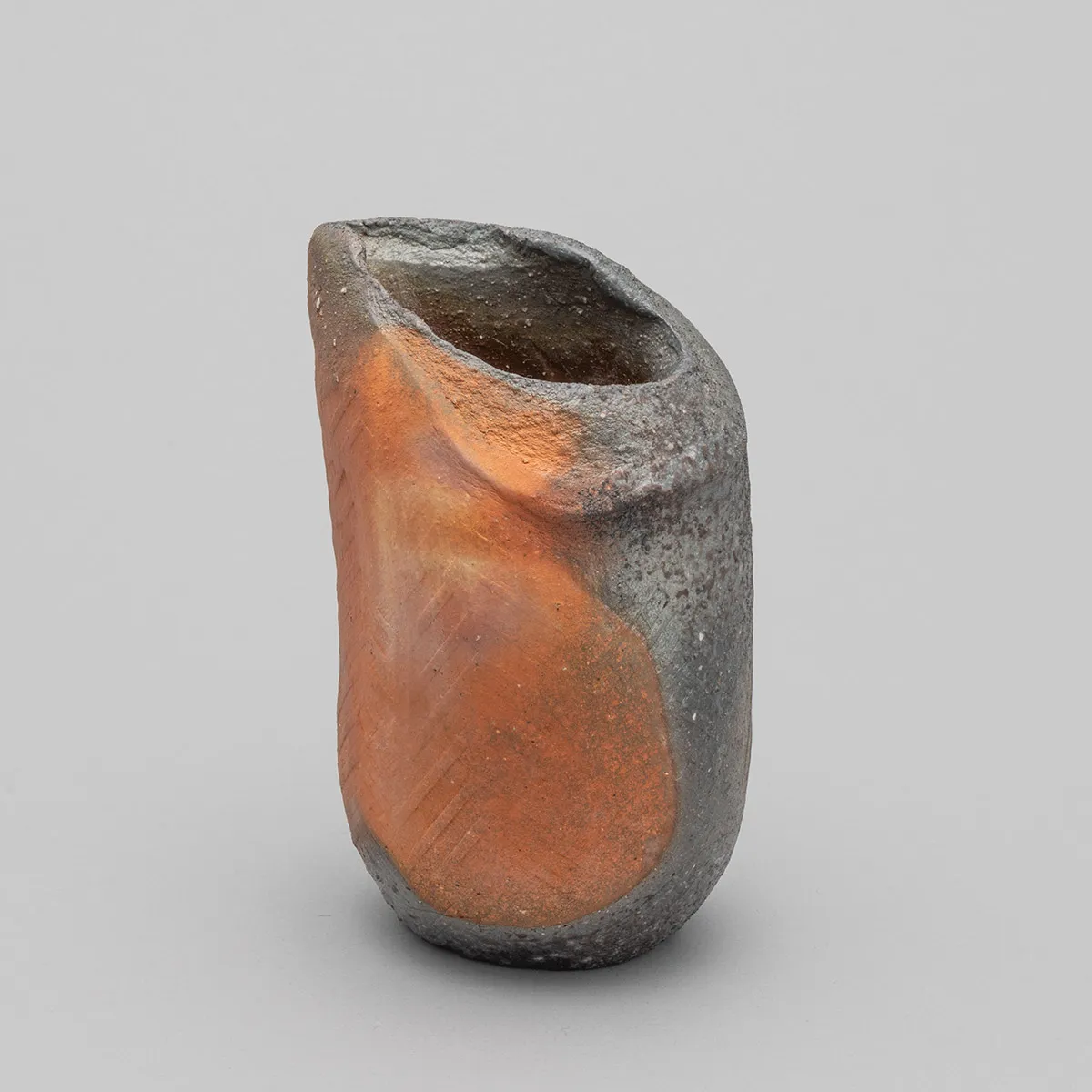
Bizen ware is a type of pottery that has continued for approximately 800 years, producing innovative works in every era without interruption. Using the yakishime technique, I create pieces without applying glaze, allowing the natural qualities of the materials to shine.
When selecting a piece, choose a shape that suits your home and environment, and pick what you personally like. Enjoy imagining how wonderful it will be to have works by talented artists in your own home.
Bizen Ware Artist Jun Isezaki (Holder of the Important Intangible Cultural Property “Bizen Ware”)
Jun Isezaki sensei is a ceramic artist based in Bizen City, Okayama Prefecture. He has been recognized as a Living National Treasure for Bizen ware, a historically significant pottery produced primarily in Bizen City that carries on the traditions of Sueki ware.
Choosing Pottery over Teaching: Isezaki sensei’s PathJun Isezaki sensei grew up in Bizen City, Okayama Prefecture, a region where pottery has been practiced since ancient times and the traditional techniques of Bizen ware have been passed down for centuries. In 2017, Bizen was recognized as one of Japan’s Six Ancient Kilns and designated a Japanese Heritage site. From an early age, pottery was part of daily life: his father’s work in the kiln was a familiar sight, and many of his friends’ homes were run by potters. “I suppose I didn’t dislike it myself,” Isezaki sensei reflects, recalling how naturally he entered the world of Bizen ware.
However, the postwar period was a time of upheaval. Many pottery businesses closed, and pursuing a career as a Bizen artist was far from an easy choice. Following his father’s advice, he initially became a teacher, but after his father passed away, he left the profession without hesitation and embarked on his journey as a ceramic artist. “It was a complete fresh start,” he recalls. Yet, he notes that experiencing such challenging times ultimately strengthened him mentally.
The Essence of Bizen Ware: Clay and Yakishime FiringWhile many pottery types can be fired in two to three days, Bizen ware requires long-term firing of over ten days. By gradually raising the temperature and employing the yakishime technique, it develops a unique texture and appearance unlike any other pottery in the world.
A defining feature of Bizen ware is that it is made without glaze, and the patterns are created purely through high-temperature firing that strengthens and transforms the clay itself. The primary clay contains high levels of iron from the surrounding mountains, but its organic content makes it difficult to work with. For generations, artisans have experimented and developed firing techniques that bring out the clay’s unique character. “Because the techniques are simple, each generation of potters has been able to bring their own sensibility and innovation,” Isezaki sensei observes.
Adapting to Changing DemandDuring the Muromachi to Momoyama periods, Bizen ware mortar bowls became famous for their durability—so strong that the saying went, “A Bizen mortar won’t break even if thrown.” Their resilience helped Bizen ware gain recognition nationwide. However, in the Edo period, aesthetic tastes changed, and demand shifted toward more decorative items, leaving utilitarian items like mortar bowls largely ignored.
Bizen ware’s greatness lies in its spirit of innovation. Artisans created sculptural objects, such as figurines of Chinese lions, that leveraged the clay’s natural characteristics and found new avenues for their craft. Isezaki sensei notes that the continuity of Bizen ware—maintaining the kiln’s fire without interruption—has been possible because each generation constantly produced new and innovative works.
Passing on the TraditionTo carry on the tradition, Isezaki emphasizes the importance of creating value. “Ultimately, it is the maker who produces good work. You must study widely, cultivate your sensibilities, apply creativity, and continue the effort to create something new,” he says.
One of Isezaki sensei’s guiding principles comes from Confucius’ Analects: “Chūjo” (忠恕), meaning a heart of compassion. He regards it as an essential approach to life.
Bizen ware, simple in technique yet infinitely deep, reflects the accumulation of daily engagement with fire. Through his works, we can sense the passage of time, the resilience, and the flexibility of Jun Isezaki sensei’s spirit.