A Story Inherited from Yamaguchi

— Introducing the “Yamaguchi” Room

ASUKAⅢ meet 47都道府県 ”山口” ルーム置物のご紹介


 “Yamaguchi” Room, ASUKAⅢ Meets 47 Prefectures

Introducing the Artworks

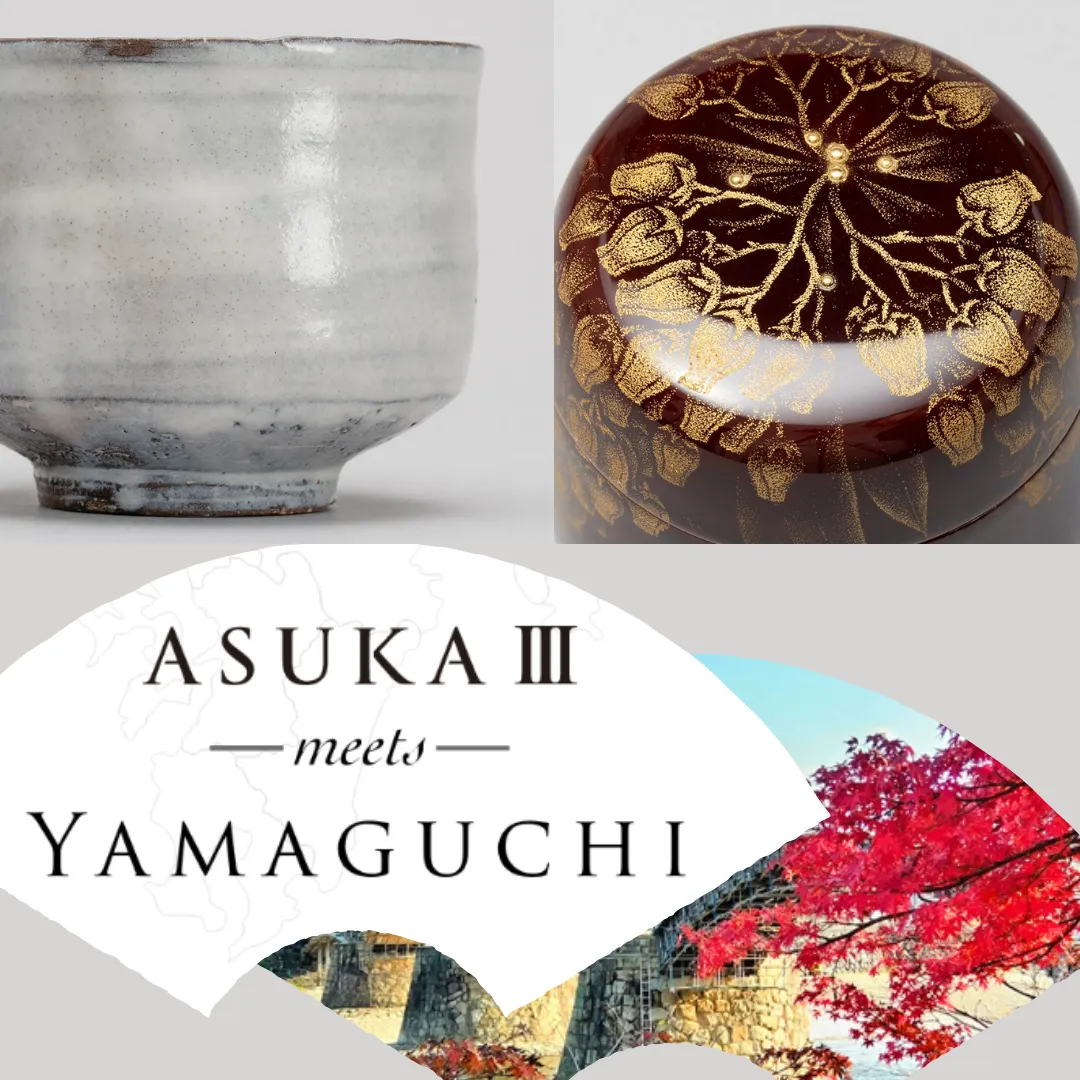
 As part of the “ASUKAⅢ Meets 47 Prefectures” initiative aboard the cruise ship ASUKAⅢ, which set sail on July 20, ARTerrace has collaborated with NYK Cruises Co., Ltd. and Anchor Ship Partners Inc. to curate a unique experience celebrating the cultural essence of each prefecture through individually designed guest rooms.
 This project seeks not only to highlight the richness of Japan’s regional cultures through tailored interior design, but also to foster connections—between people, between individuals and localities, and among the regions themselves—thus contributing to revitalization across the country.


Once known as the Chōshū Domain, Yamaguchi is celebrated as the birthplace of visionaries who shaped Japan’s history from the late Edo period through the Meiji Restoration—a land renowned for nurturing individuals who boldly forged a new era.

Culturally, it was here that Toyotomi Hideyoshi once invited master potters, leading to the establishment of the Mōri clan’s official kilns for Suō and Nagato provinces, where the renowned tea ceramics of Hagi ware flourished.

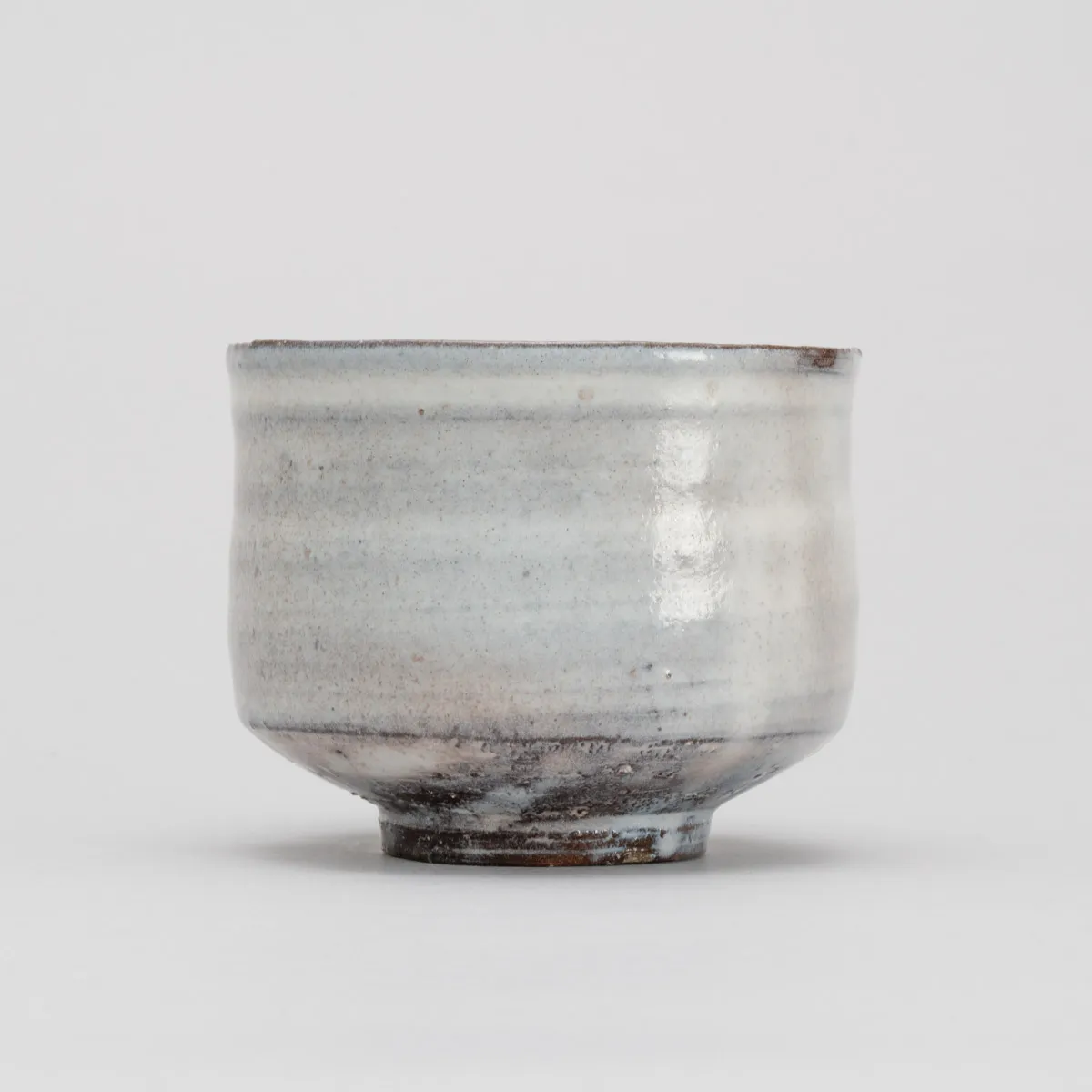
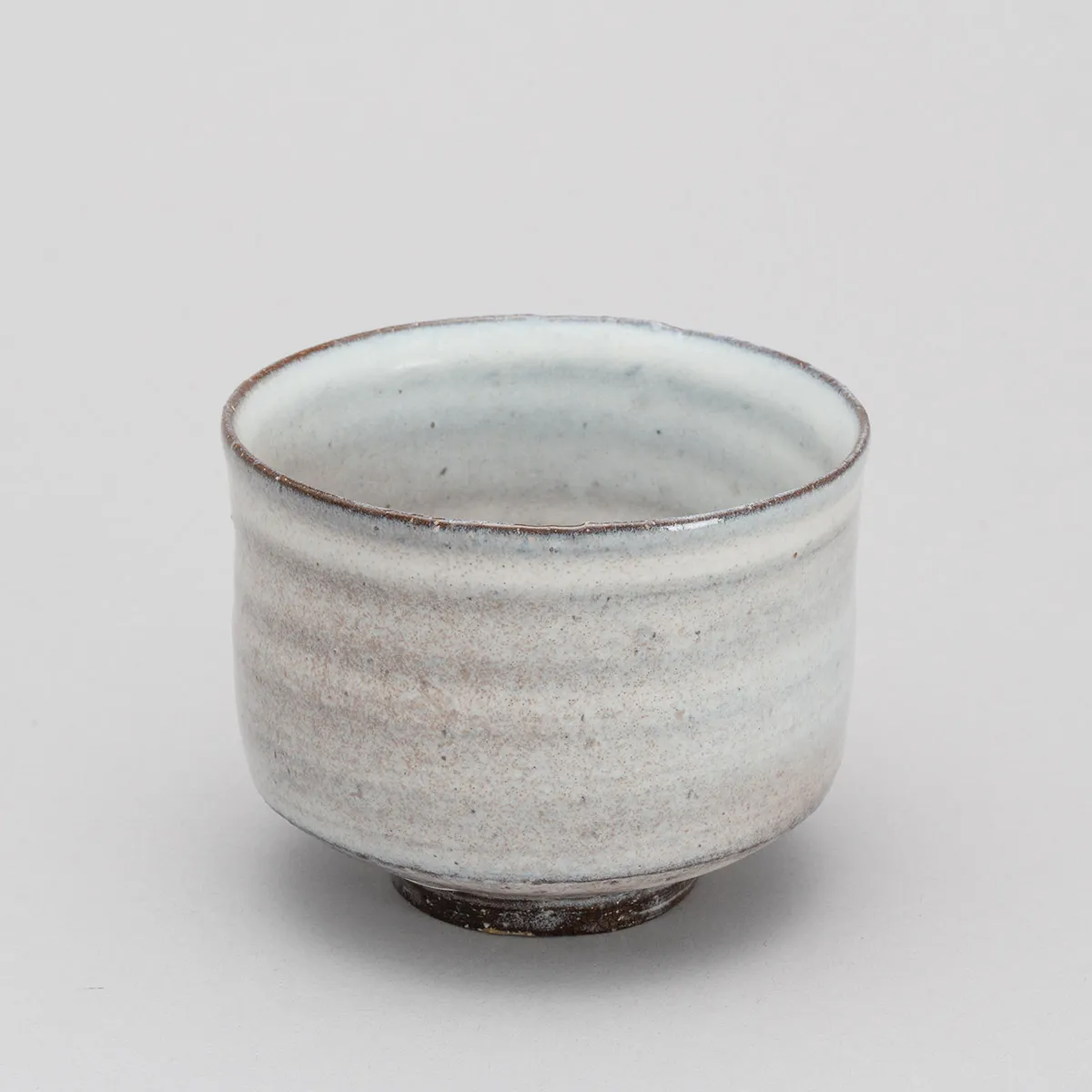
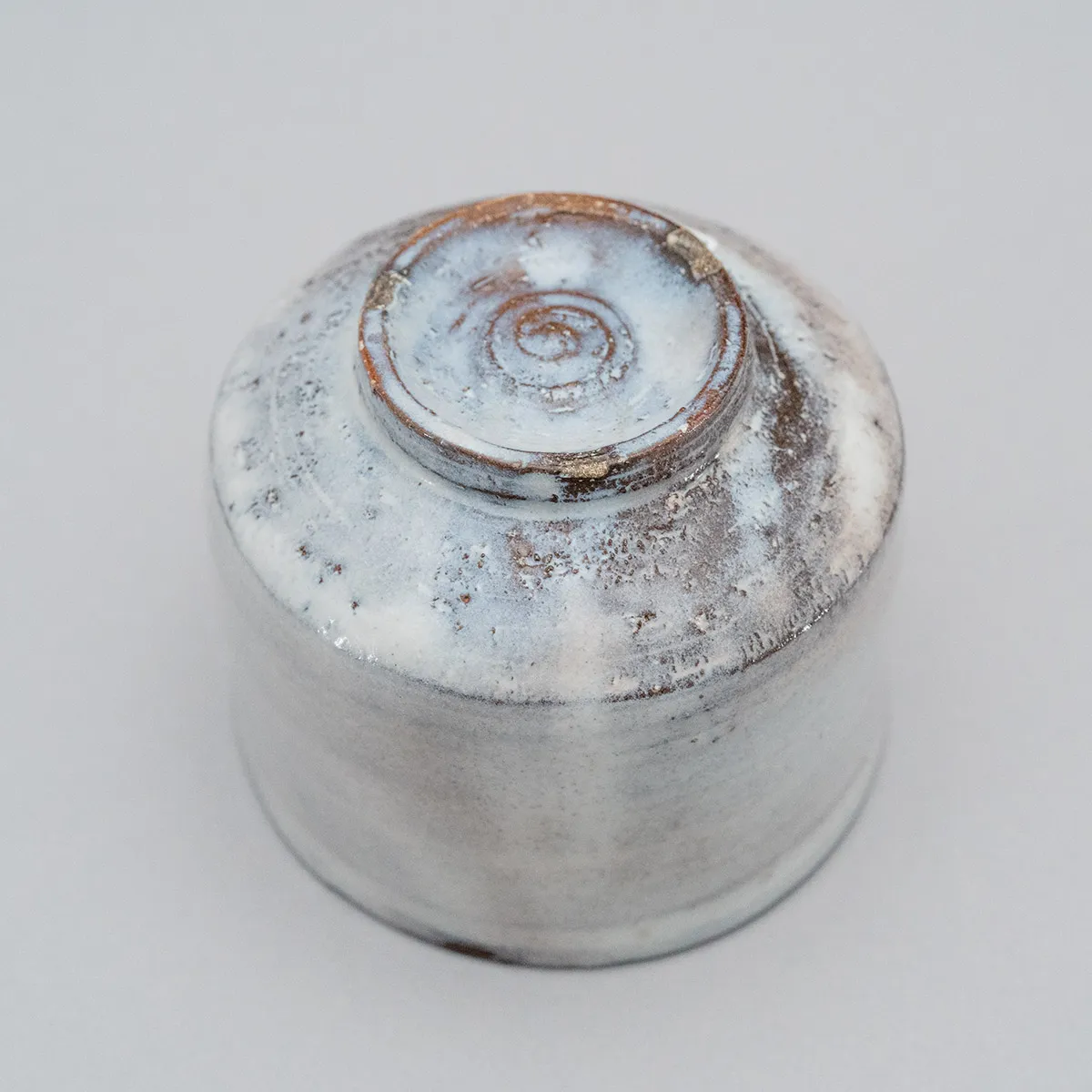
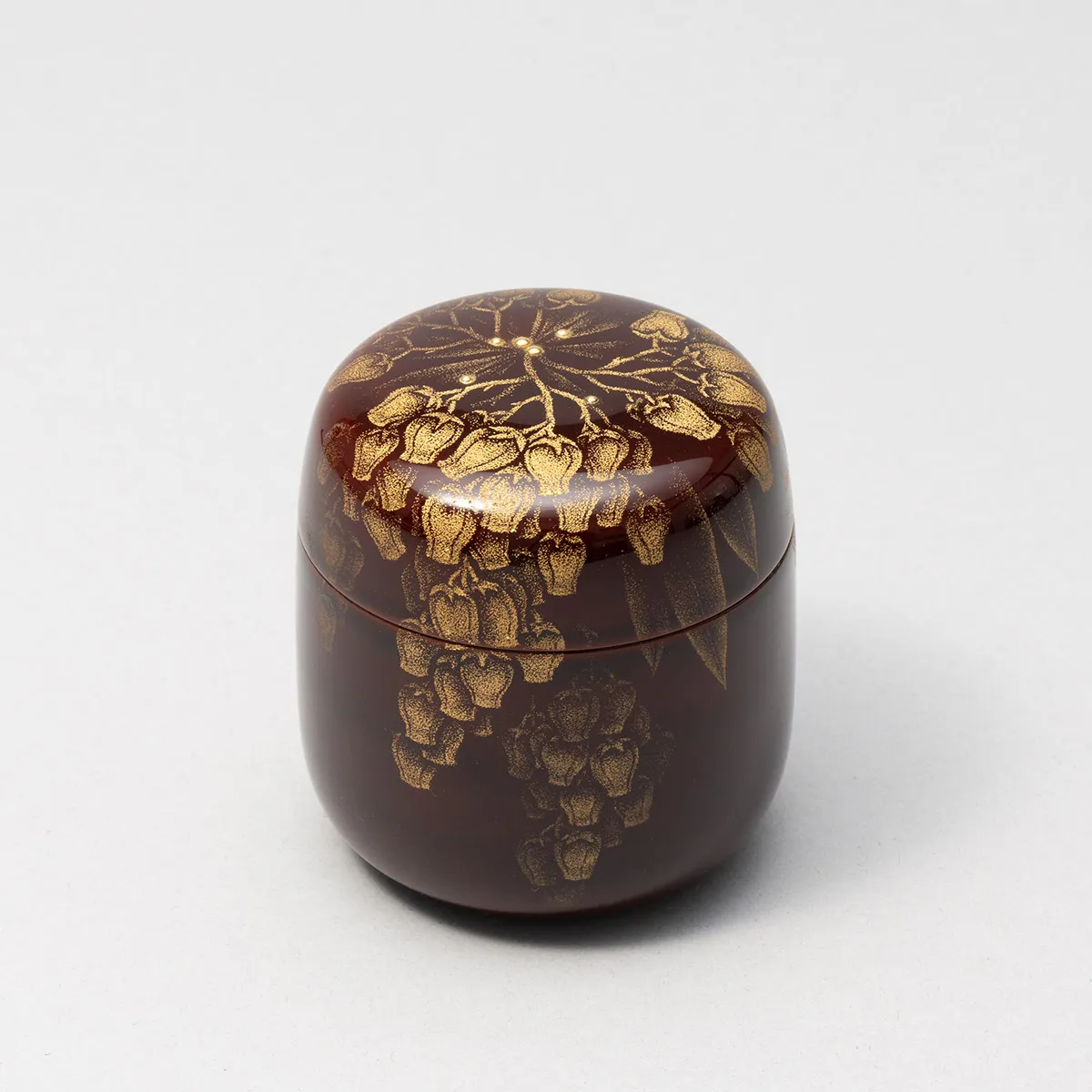
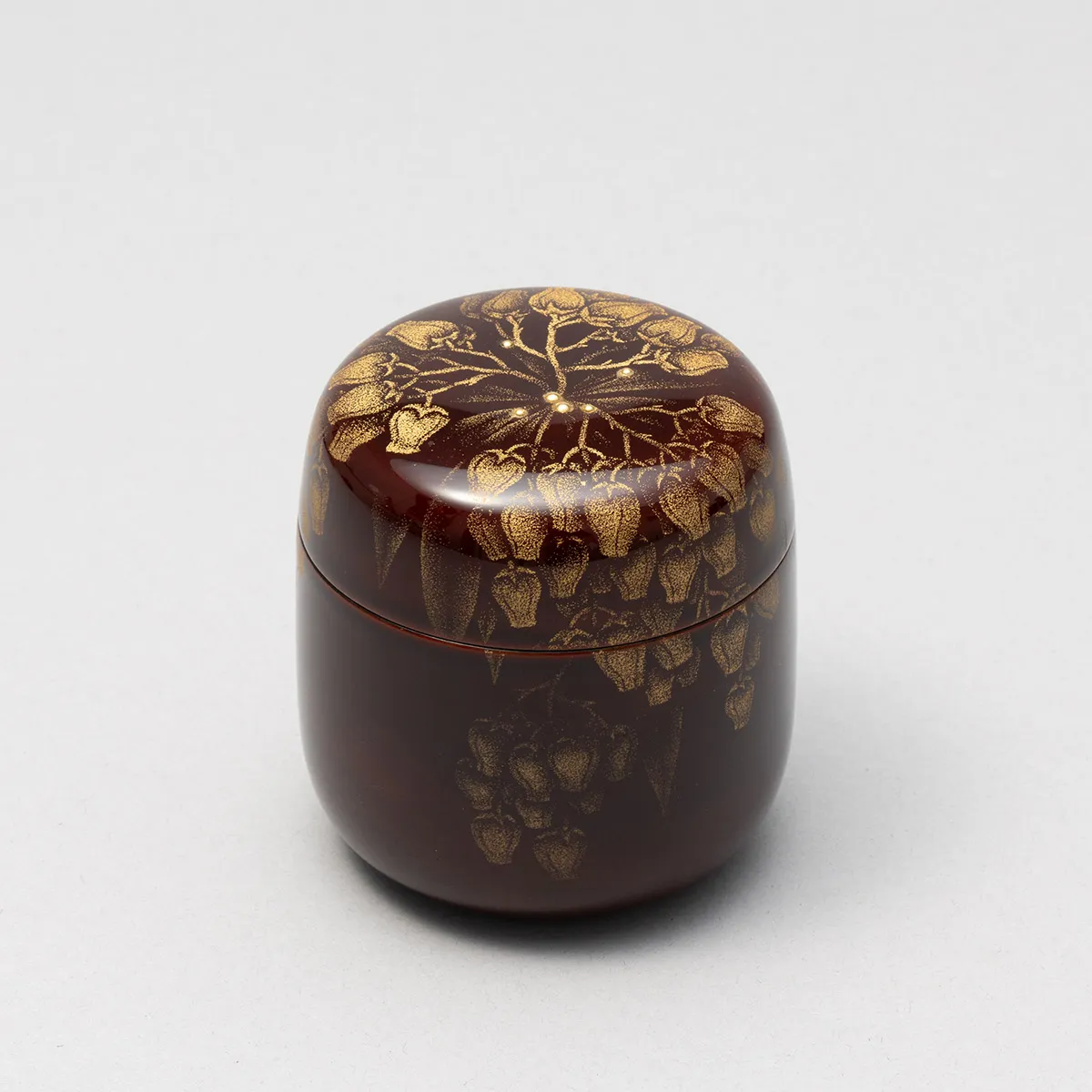
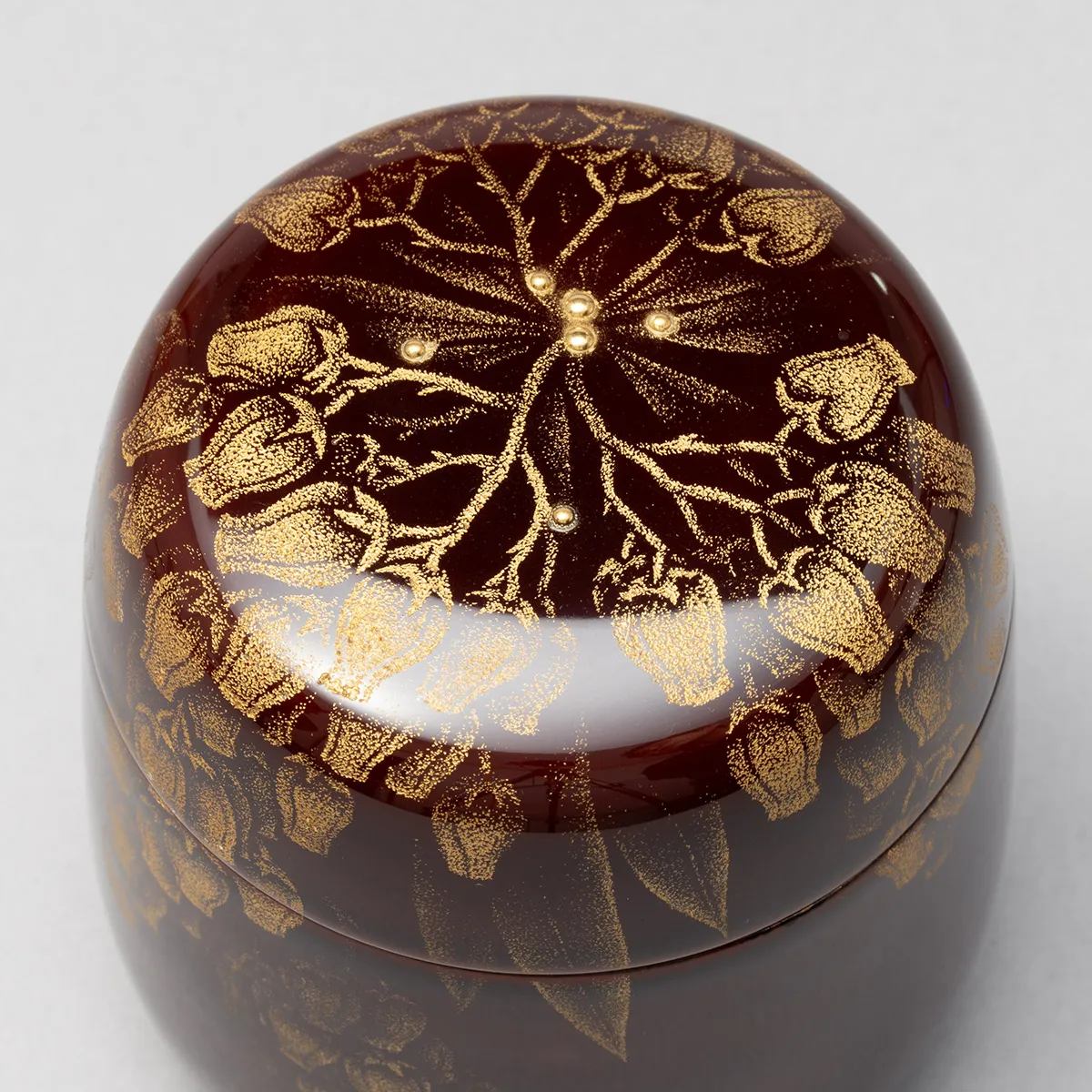
For the Yamaguchi Room, ARTerrace has selected exceptional works that embody the refined beauty of crafts enriching the tea ceremony: the Hagi White-Glazed Tea Bowl by Sadatsugu Shinjō and the Sunken Gold Makie Natsume “Horsetail Flower” by Michiko Kaseyama—both available for purchase on the ARTerrace website.


 ▼Hagi Tea Bowl with White Glaze  by Sadatsugu Shinjo

萩焼「萩白釉茶碗」:新庄貞嗣作

萩焼「萩白釉茶碗」:新庄貞嗣作

萩焼「萩白釉茶碗」:新庄貞嗣作

Sadatsugu Shinjō is the fourteenth-generation head of the Shinjō Sukeemon Kiln, founded in the early 17th century during the formative years of Hagi ware. He has been recognized by Yamaguchi Prefecture as a Preserver of the Intangible Cultural Property Hagi ware and serves as a Director of the Japan Kōgei Association as well as Executive Director of its Yamaguchi Branch.

Hagi ware is characterized by its distinctive, softly textured appearance, achieved through the use of coarse clay with minimal vitrification. Because of its porosity, Hagi ware offers excellent water retention and heat insulation. Fine crackles form on the surface as the clay and glaze shrink at different rates, allowing moisture to permeate from within the vessel to its outer surface.

This unique property causes the vessel’s color tone to change gradually with use, cultivating a subdued, timeworn beauty. This evolving quality is famously known as Hagi no Shichibake—“the seven transformations of Hagi”—and remains one of the ware’s most captivating charms.

◆Message from Sadatsugu Shinjo sensei◆

Hagi tea bowls and Hagi white-glazed tea bowls are not only suited for tea ceremony settings but are also meant to be enjoyed in everyday life, allowing you to savor a cup of tea whenever the moment calls for it.


▼Round-Bottomed Tea Container Design in Chinkin "Japanese andromeda"

by Michiko Kaseyama

This piece represents one of Japan’s quintessential traditional arts: urushi lacquerware. The natsume is elegantly finished in a deep burgundy hue, adorned with an intricate floral motif rendered in the refined chinkin technique, which imparts a captivating sense of depth.

Michiko Kaseyama, the artist behind this work, is a lacquerware artisan based in Yamaguchi Prefecture. She has received numerous awards at exhibitions, including the Yamaguchi Traditional Crafts Exhibition, attesting to her exceptional artistry and skill.

◆Message from Kaseyama Michiko sensei◆

Not only are these pieces meant to be used in actual tea ceremonies, but they can also be displayed to reflect the seasons. I hope people will touch them and feel the softness of the lacquer.

 
 ★This work is available for purchase on the ARTerrace website ★
    
※ Wall-mounted and sculptural works in guest rooms are presented for decorative appreciation only.