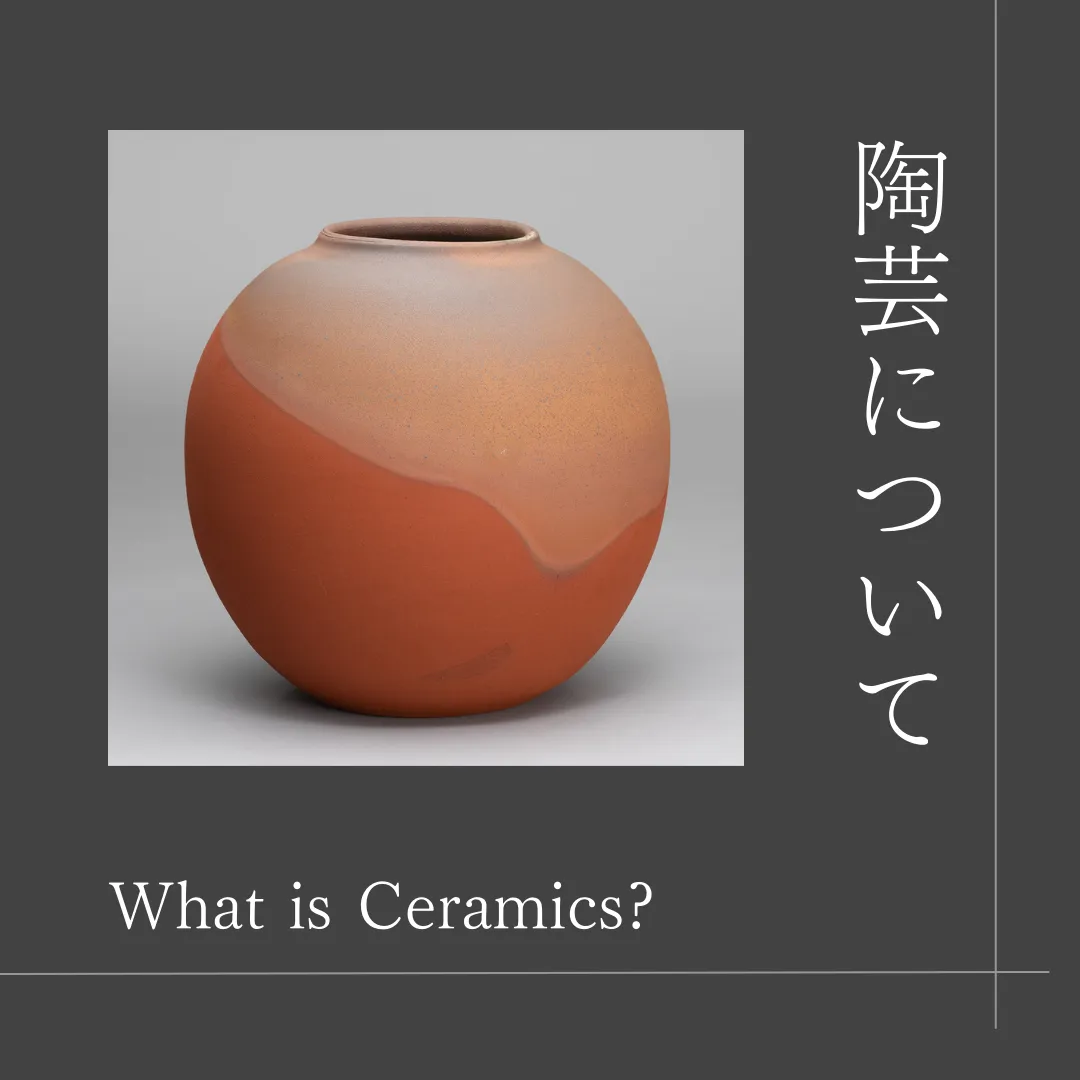
 Ceramics
Iron painting, underglaze blue, overglaze enamels, bluish-white porcelain, inlay, marbled clay bodies, and more
Explore ceramics →We have always made the things our lives require with our own hands—vessels to eat from, boxes to store things in, clothing to wear: “things” of every kind. In time we began to produce not merely “things” to use, but “beautiful things” that lend colour to daily life.
The making of those “beautiful things,” nurtured by the climate and the living culture of Japan, has continued without a break into the present day. Refined by the sensibility of each successive age, yet made with the materials and techniques handed down from the past, these “beautiful things” are what we now call “traditional kogei.”
What Is Traditional Kogei?, edited by the East Japan Branch of the Japan Kōgei Association, published by Unsōdō, p. 3 Official partner: Japan Kōgei Association
At ARTerrace, we hope to play a part in carrying the beautiful works of Japanese traditional kogei—inherited from the past and refined with the passing of time—out into the world and on to the next generation.
CeramicsIron painting, underglaze blue, overglaze enamels, bluish-white porcelain, inlay, marbled clay bodies, and more
Explore ceramics →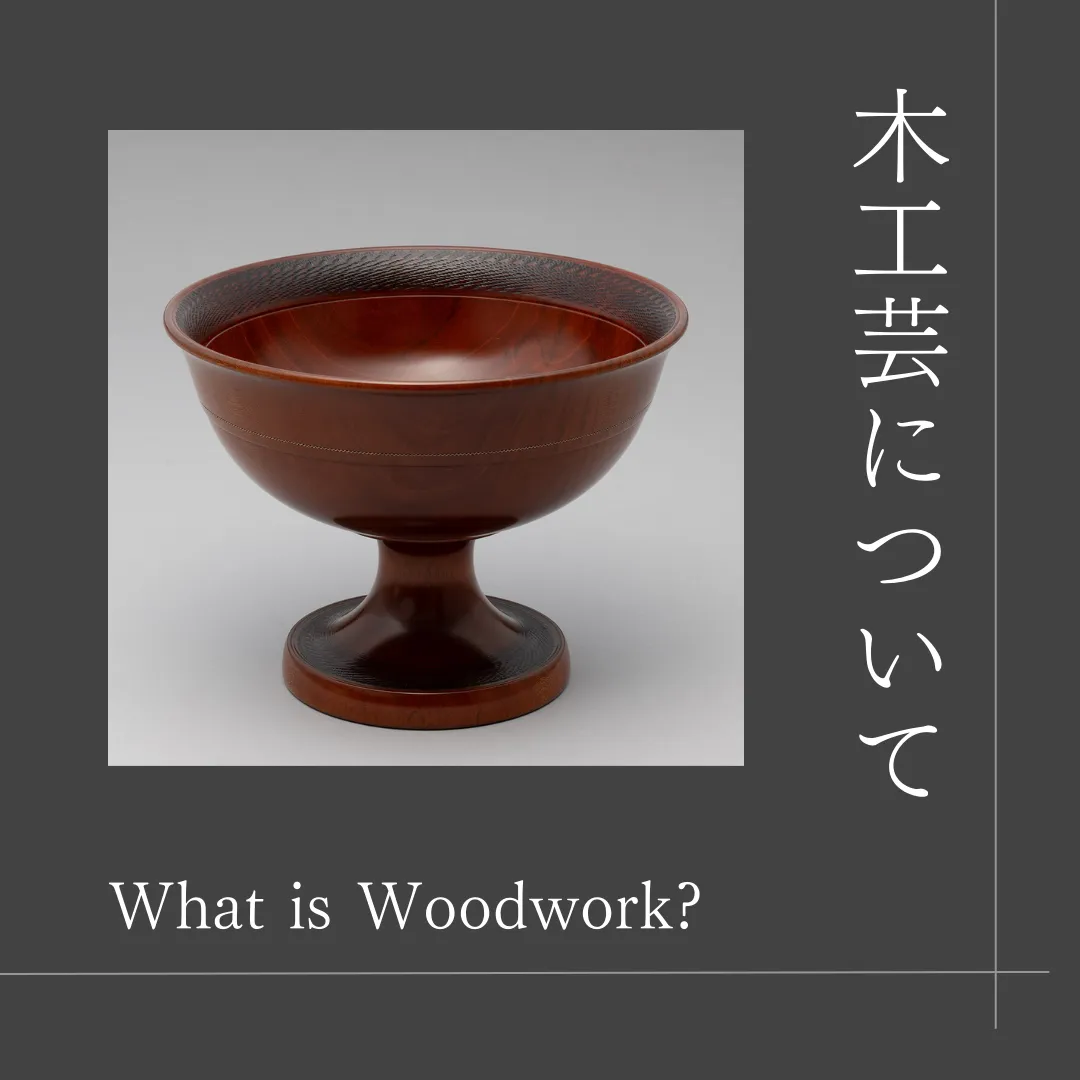
 Wood and Bamboo Work
Joinery (sashimono), carving (kurimono), lathe work (hikimono), bentwood (magemono), plaiting (amimono), assembling (kumimono), and more
Explore wood and bamboo work →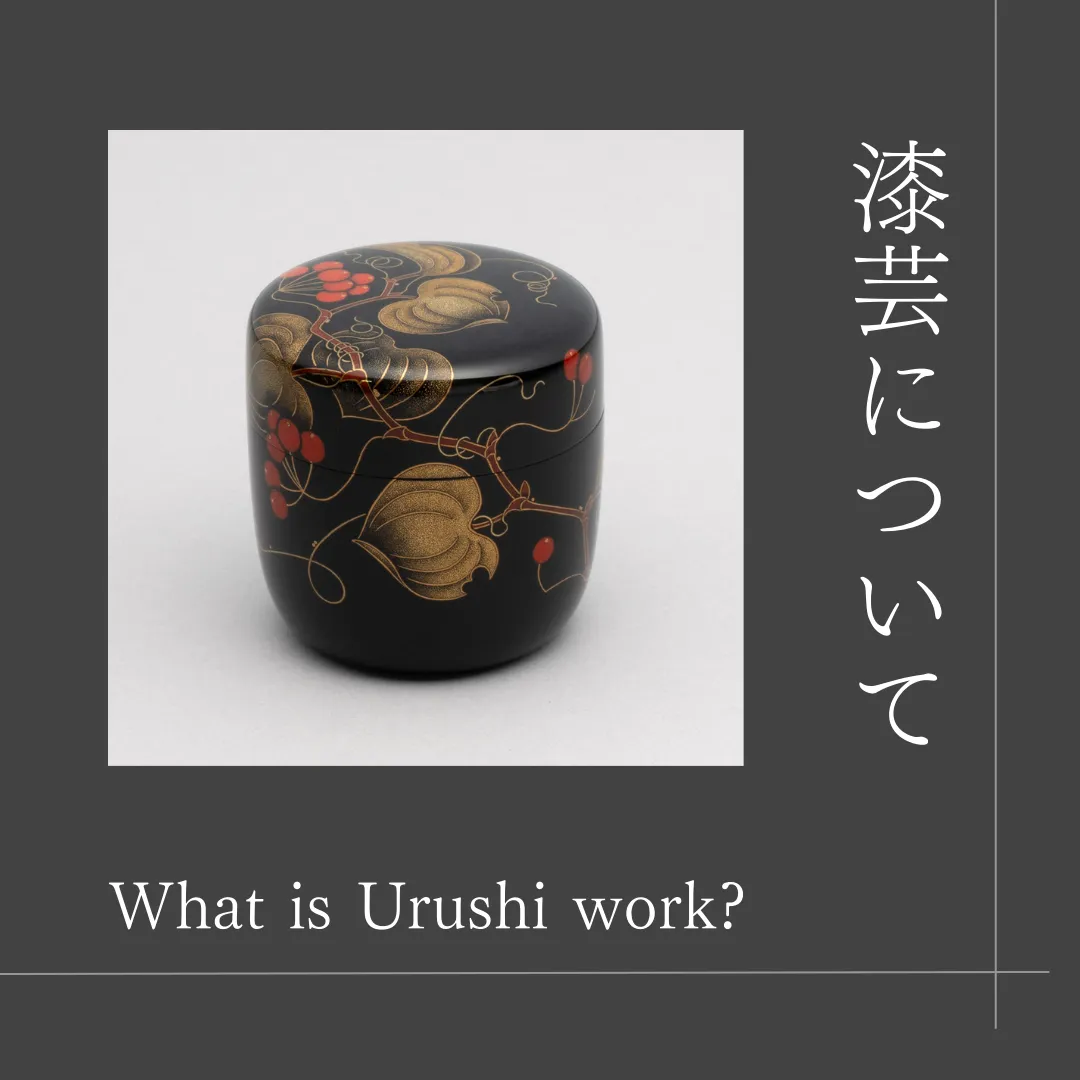 Lacquer Art
Maki-e, mother-of-pearl inlay (raden), chinkin, kinma, carved lacquer (chōshitsu), flat metal inlay (hyōmon), eggshell inlay (rankaku), lacquer painting (urushi-e), Kamakura-bori, and more
Explore lacquer art →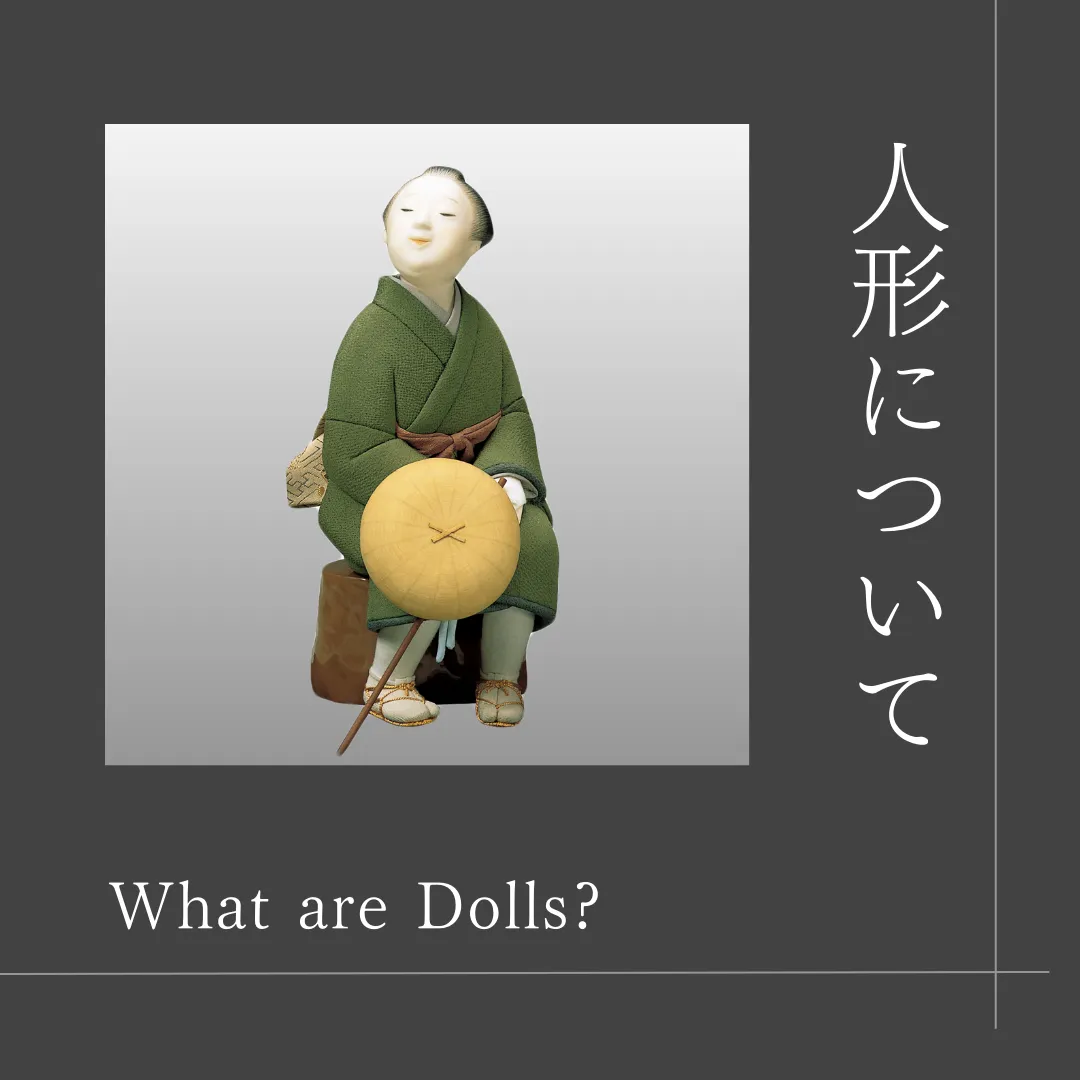 Dolls
Wood-carved dolls, paulownia-paste dolls (tōso), papier-mâché dolls (harinuki), ceramic-bodied dolls, and more
Explore dolls → Metalwork
Metal casting (chūkin), metal hammering (tankin), metal chasing (chōkin), and more
Explore metalwork →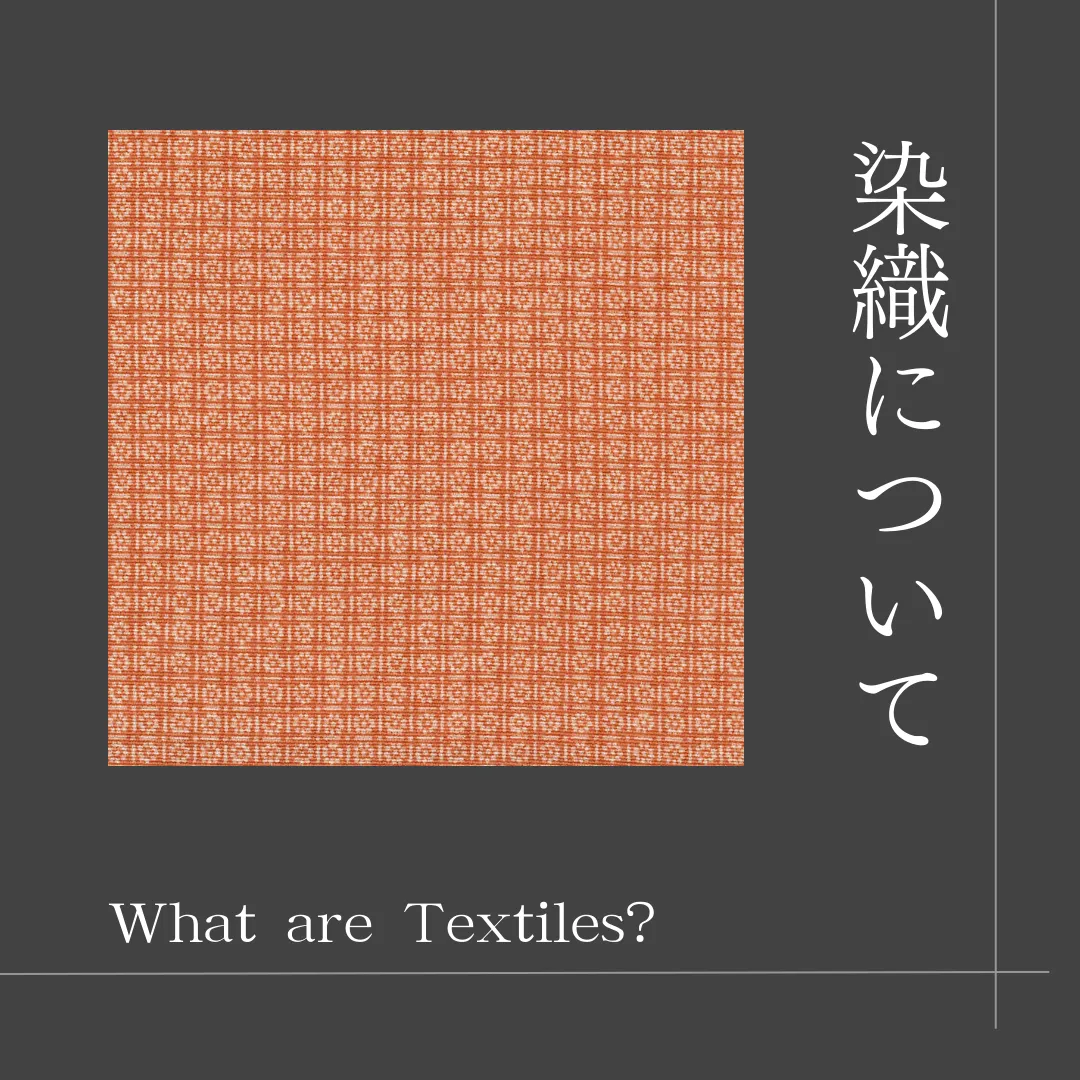 Textiles
Dyeing, weaving, and more
Explore textiles →
Glass, cloisonné enamel, jade and stone carving (gyoku), inkstones, cut gold leaf (kirikane), ivory, and more
Explore other crafts →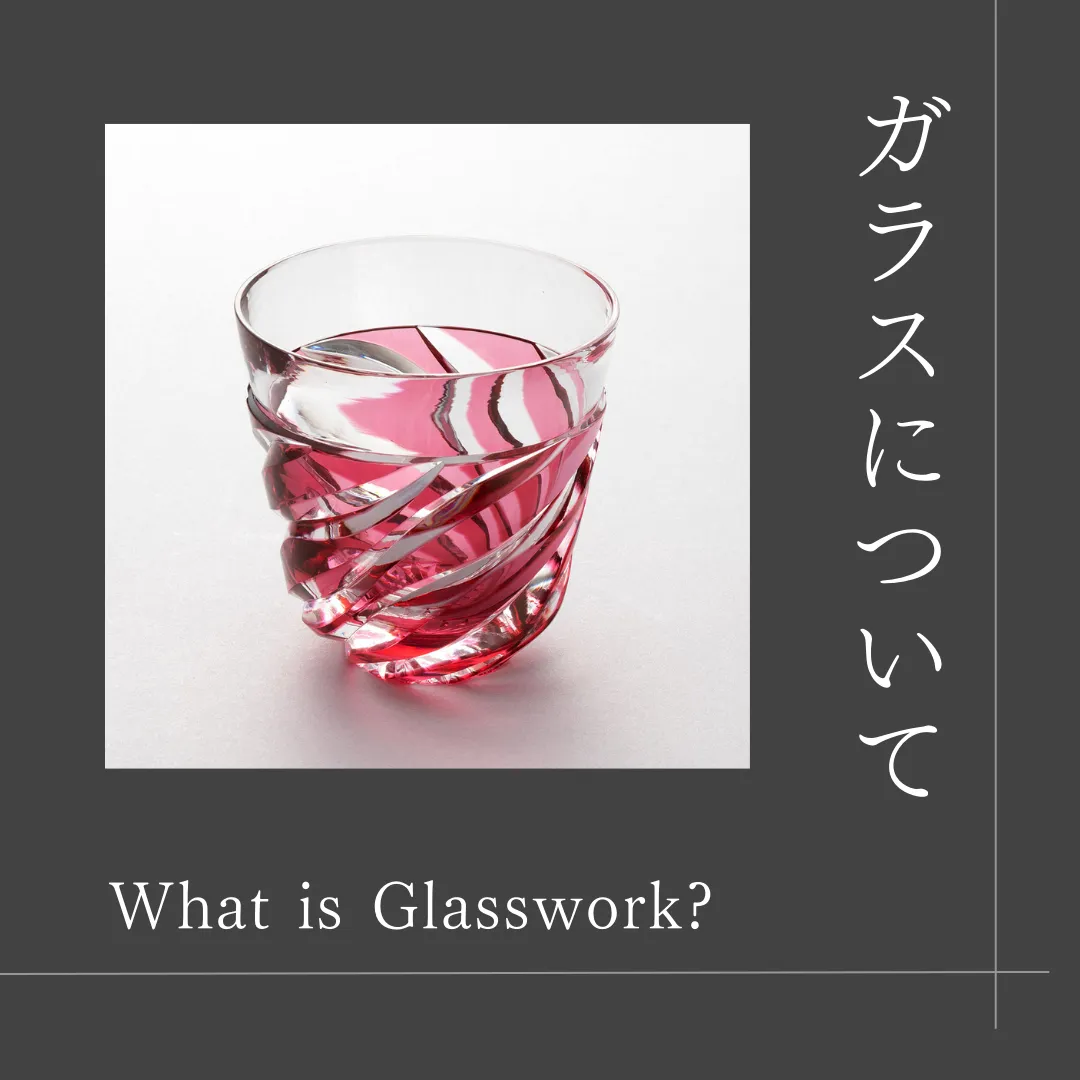
 Other Crafts: Cloisonné Enamel
Frequently asked questions
Q. What is traditional kogei, put simply?
Traditional kogei refers to beautiful implements made by human hands, using the traditional techniques and materials handed down in each region, and also to the skill invested in them. What matters is not design in the sense of colour and form, but the materials, the method of making and the craftsmanship. The word “kogei” is said to have come into use in the Meiji period.
What ARTerrace chiefly handles is the genre known as “art kogei.” This refers in particular to crafts that hold value as “cultural property,” a category that also takes in works of art such as painting and sculpture.
Q. Are “traditional kogei” and “Designated Traditional Craft Products” the same thing?
They are not the same. “Designated Traditional Craft Products” is a system under which, pursuant to statute, the Minister of Economy, Trade and Industry designates craft products that meet certain requirements. (Ministry of Economy, Trade and Industry)
Q. How many years must a craft continue before it becomes traditional kogei?
For the term “traditional kogei” in general, there is no single criterion setting a uniform number of years. The statutory category of “Designated Traditional Craft Products,” on the other hand, carries designation requirements concerning traditional techniques and methods, raw materials and so on. The general notion of “traditional kogei” and the official designation system therefore need to be considered separately. (Ministry of Economy, Trade and Industry)
Q. What kinds of crafts does Japan have?
There are several ways of classifying them; the Japan Kōgei Association establishes seven specialist fields: ceramics, textiles, lacquer art, metalwork, wood and bamboo work, dolls, and other crafts. (Japan Kōgei Association)
Q. What is a Living National Treasure?
It is the term commonly used for individually certified holders who have mastered and embody, at a high level, a “skill” designated as an Important Intangible Cultural Property. (Agency for Cultural Affairs)
Q. What is the Japan Traditional Kogei Exhibition?
It is an open-call exhibition held every year since 1954, with the aim of safeguarding and fostering the traditional kogei of Japan. It currently comprises 7 categories: ceramics, textiles, lacquer art, metalwork, wood and bamboo work, dolls, and other crafts. (Japan Kōgei Association)
To learn about traditional kogei is to learn not only techniques and materials,
but out of what manner of living each craft arose, how it was handed down, and how its techniques were renewed.
At ARTerrace, through interviews with artists and our partnership agreement with the Japan Kōgei Association,
we introduce above all the “present” of Japanese art kogei.


