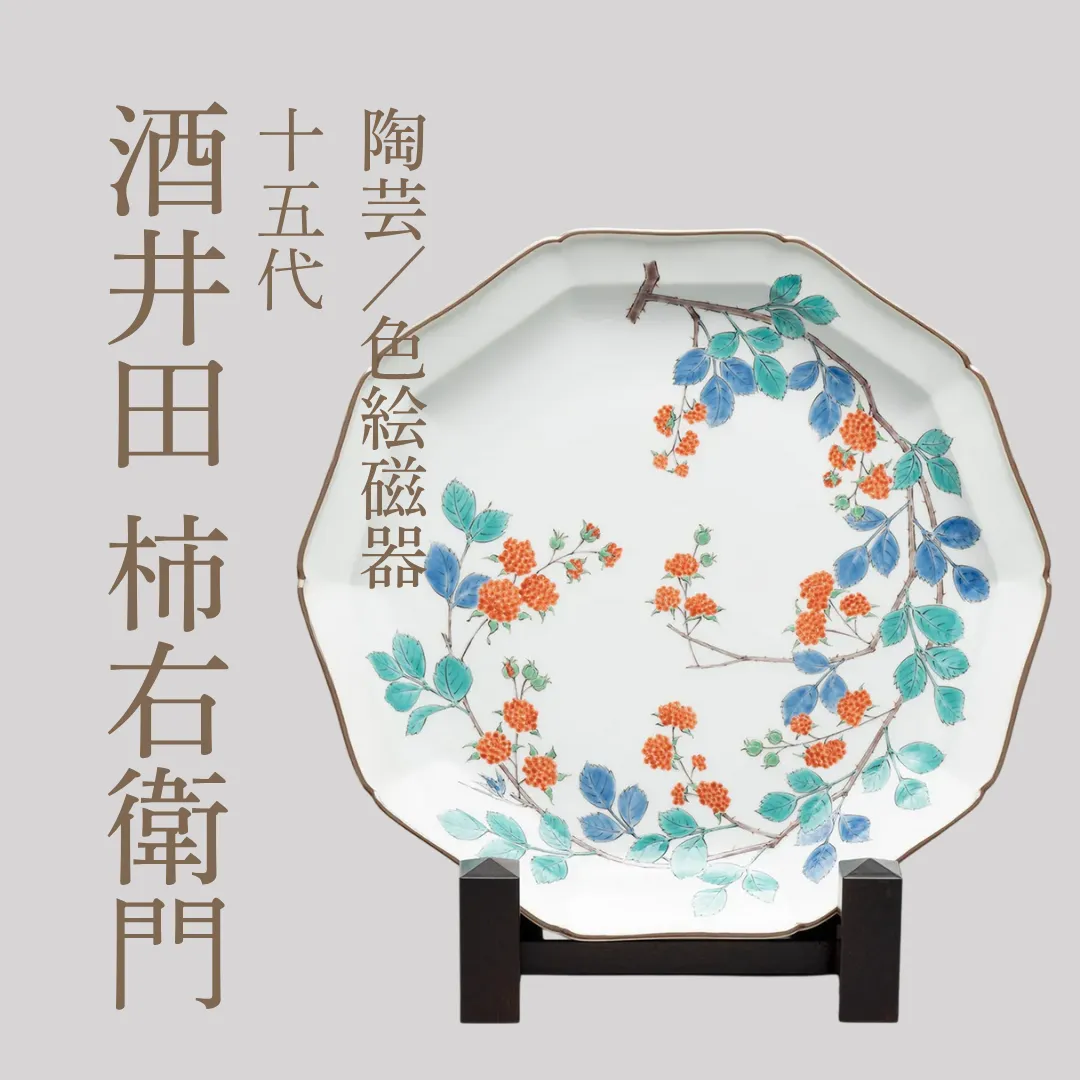
The Fifteenth Generation’s Challenge to “Color”

Featuring Works by Sakaida Kakiemon – Ceramic Art / Overglaze-Enamelled Porcelain

Living Within Tradition: The Fifteenth Generation’s Challenge to “Color”

Living Within Tradition: The Fifteenth Generation’s Challenge to “Color”

Overglaze Enamel Porcelain/Kakiemon Sakaida XV

In the latter half of the 17th century, when monochrome blue-and-white porcelains and celadon dominated Japanese ceramics, a new style of iroe jiki—colored overglaze porcelain—emerged in Arita. The Kakiemon style, distinguished by its elegant and vividly painted designs on a warm, milky-white porcelain body known as nigoshide, captivated not only Japan but also the aristocracy of Europe.For over 400 years, the Sakaida Kakiemon family has inherited and refined this tradition of Arita’s overglaze painting. Today, Kakiemon Sakaida XV carries forward the technique and dignity of the Kakiemon style while constantly exploring what form “Kakiemon” should take to resonate with the contemporary world.


Characteristics of Kakiemon Sakaida XV’s Work

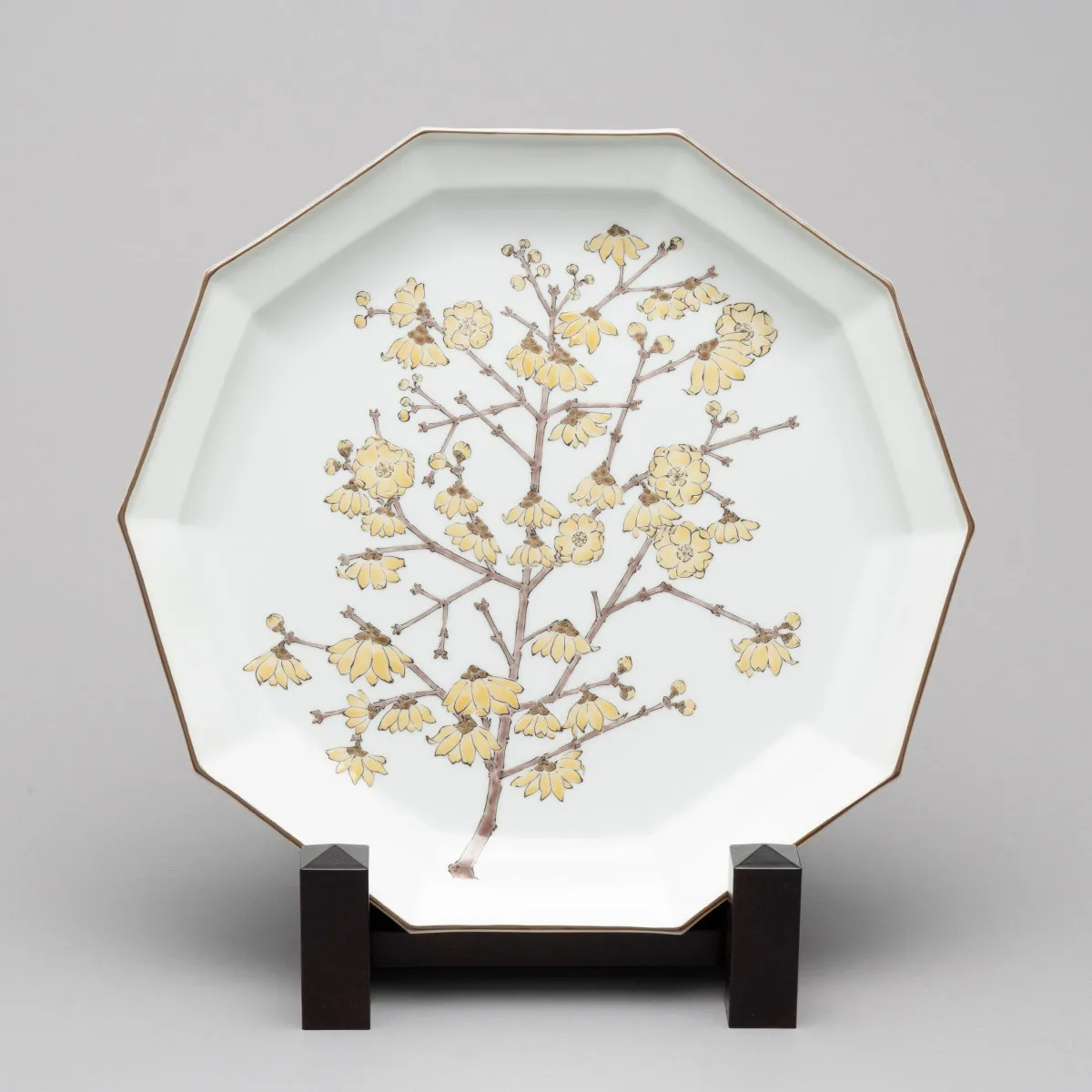
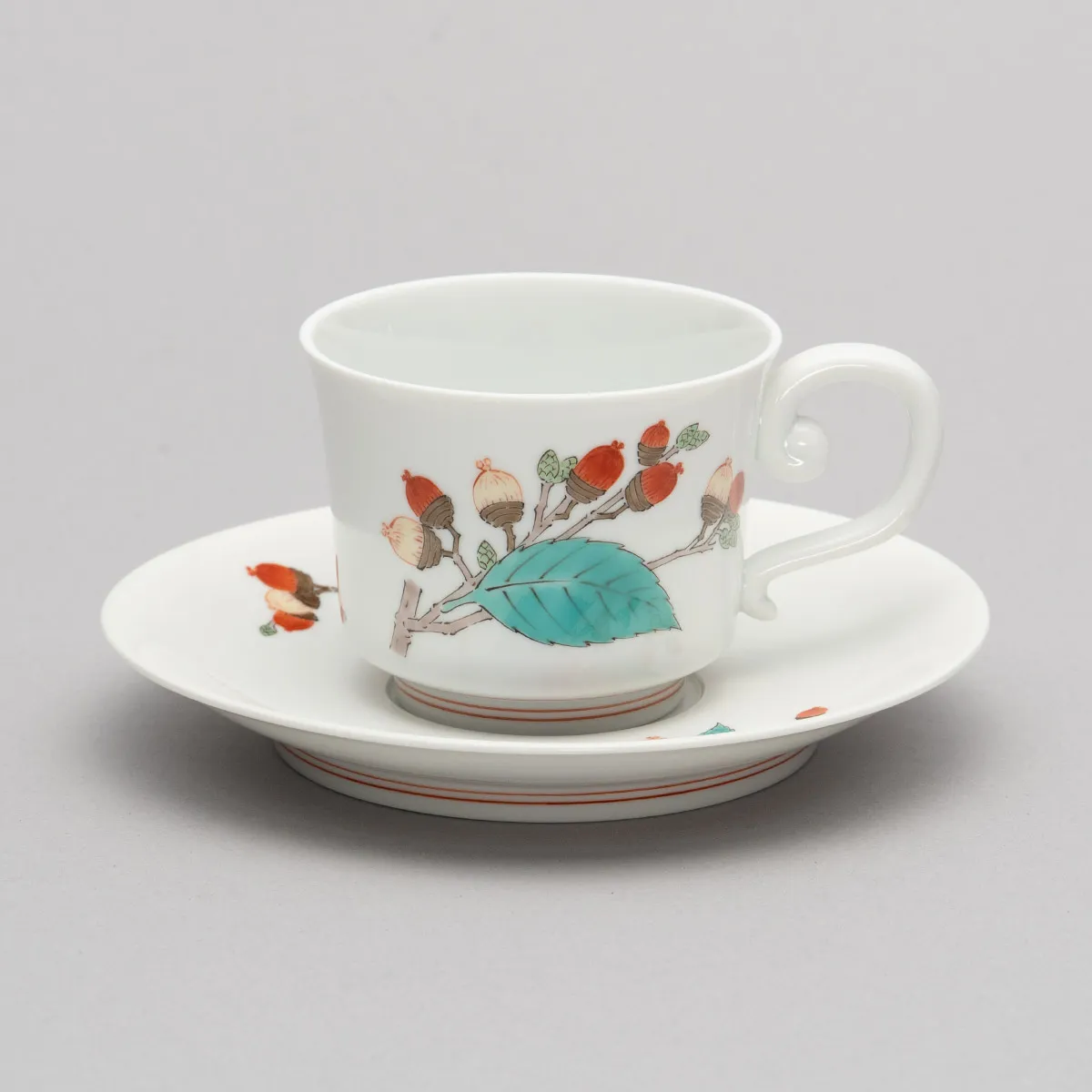
While faithfully inheriting a lineage of artistry passed down through centuries, Kakiemon Sakaida XV also pursues harmony with modern sensibilities. He has introduced new motifs such as Tōbaimon (plum and bird) and Dongurimon (acorn), reinterpreting the Kakiemon aesthetic for today.
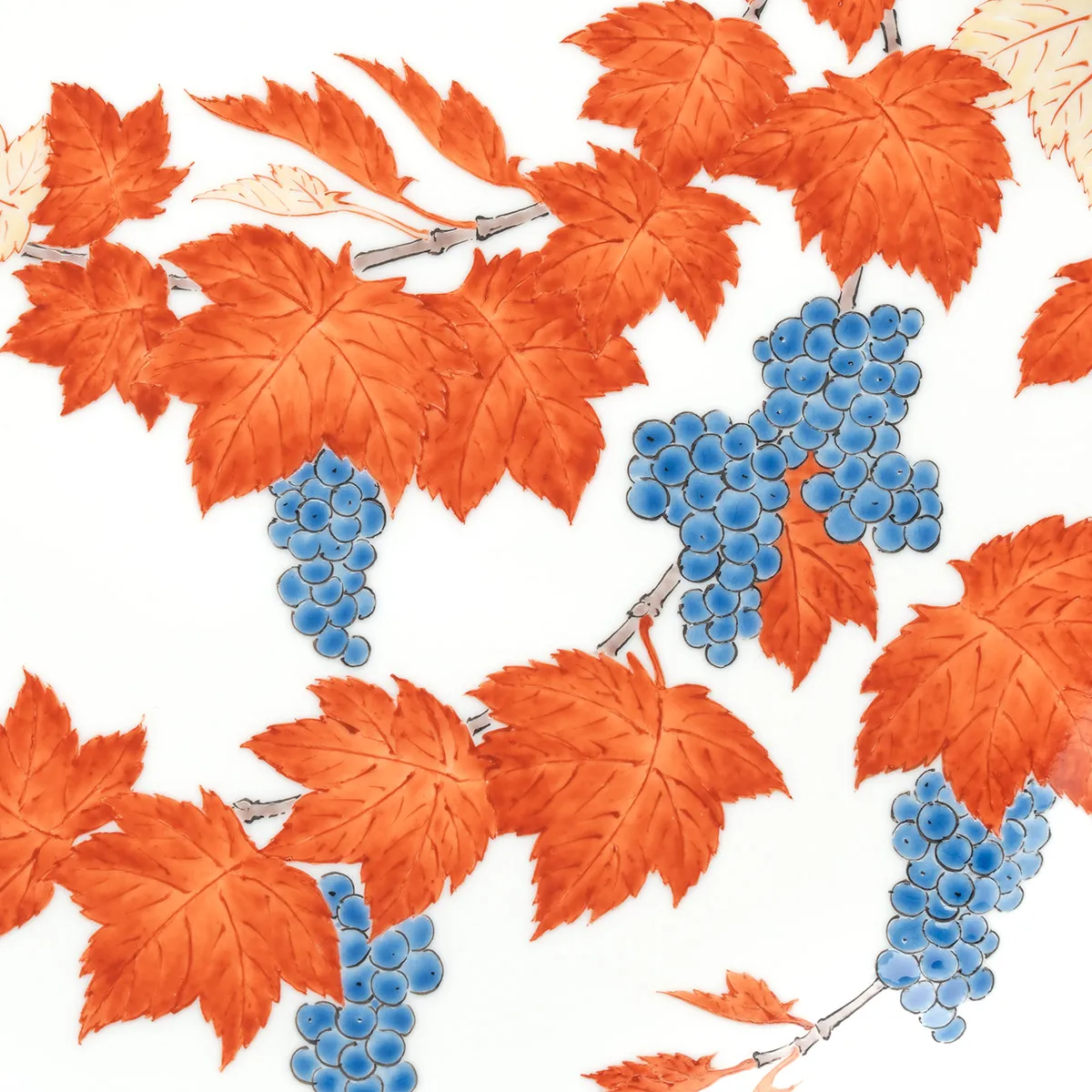
A defining feature of the traditional Kakiemon composition is its generous use of negative space, revealing a refined “aesthetics of subtraction.” The vivid vermilion known as hana-aka, glowing against the soft milky-white nigoshide, has become synonymous with the Kakiemon name.
In a bold departure from tradition, Kakiemon XV created the Tōbaimon series—designs that deliberately omit the color red. Through such innovations, he continues to explore new palettes and themes, from fresh color harmonies to motifs like acorns, expanding the expressive language of Kakiemon porcelain.

Message from Kakiemon Sakaida XV

I work with the traditional technique known as nigoshide, in which overglaze enamel painting is applied to a warm, milky-white porcelain base. Each piece is created with care to highlight Kakiemon’s signature qualities—its balance of negative space, asymmetrical composition, and vivid coloration. I hope you will enjoy the bright, uplifting atmosphere that these colors evoke.


What Is the Kakiemon Style?

The hallmark of the Kakiemon style lies in its graceful motifs—derived from the aesthetics of old Kutani ware—painted upon a softly glowing, bluish-white porcelain base known as nigoshide. This style was established after blue-and-white porcelain (sometsuke), when Kakiemon I succeeded in firing colored overglaze porcelain in 1647, elevating it to one of the three great decorative techniques of Arita alongside sometsuke and celadon.The style was named after the Sakaida Kakiemon family, the foremost producers of these exquisite wares. In Saga, the term nigoshi-de refers to the cloudy whiteness of rice-washing water; abroad, it is affectionately called “milky white.”
Originally created for export through the Dutch East India Company, Kakiemon porcelain evolved into refined designs that suited the tastes of European nobility. The family’s parallel production for both domestic and international markets reveals a remarkably modern, industry-like vision for its time.


Points for Appreciation

I Asymmetrical Composition / Nigoshide White / Vivid Colo

Kakiemon’s designs inherited the refined sensibility of Ko-Kutani motifs—much like the haute couture of the Edo period. In contrast to the dense compositions of Ko-Kutani or the meticulous precision of Nabeshima ware, Kakiemon pieces are characterized by asymmetrical balance and the poetic use of white space. The gentle, iron-free milky hue enhances this sense of openness, while the brilliant vermilion—said to have been perfected by observing the ripening color of a persimmon—adds a signature warmth unique to each generation.Over time, the motifs evolved from Chinese auspicious patterns such as grape, squirrel, and peony, to Korean-inspired plum-and-bird designs, and later to Japanese themes such as deer and maple leaves, reflecting the influence of the Rimpa and Kano painting schools.


Ⅱ European Influence and “Kakiemon Copies”

Owing to its export through the Dutch East India Company, Kakiemon ware long catered to European tastes, producing forms such as tea sets and tableware that graced noble dining tables. Its charm lies in the elegant use of primary colors, occasionally enriched with gold and silver enamels that illuminate the table with festive brilliance.Inspired by Kakiemon, renowned porcelain kilns such as Meissen in Germany and Jingdezhen in China produced their own Kakiemon-style works—each developing distinctive interpretations that remain a delight to compare.


Related Reading: Craft Techniques & Appreciation Guides

※ Click on the images to view detailed explanations.


ARTerrace proudly presents a selection of works by Living National Treasure Kakiemon Sakaida XV.For inquiries or purchase requests, please contact us.