- Year of Production2025
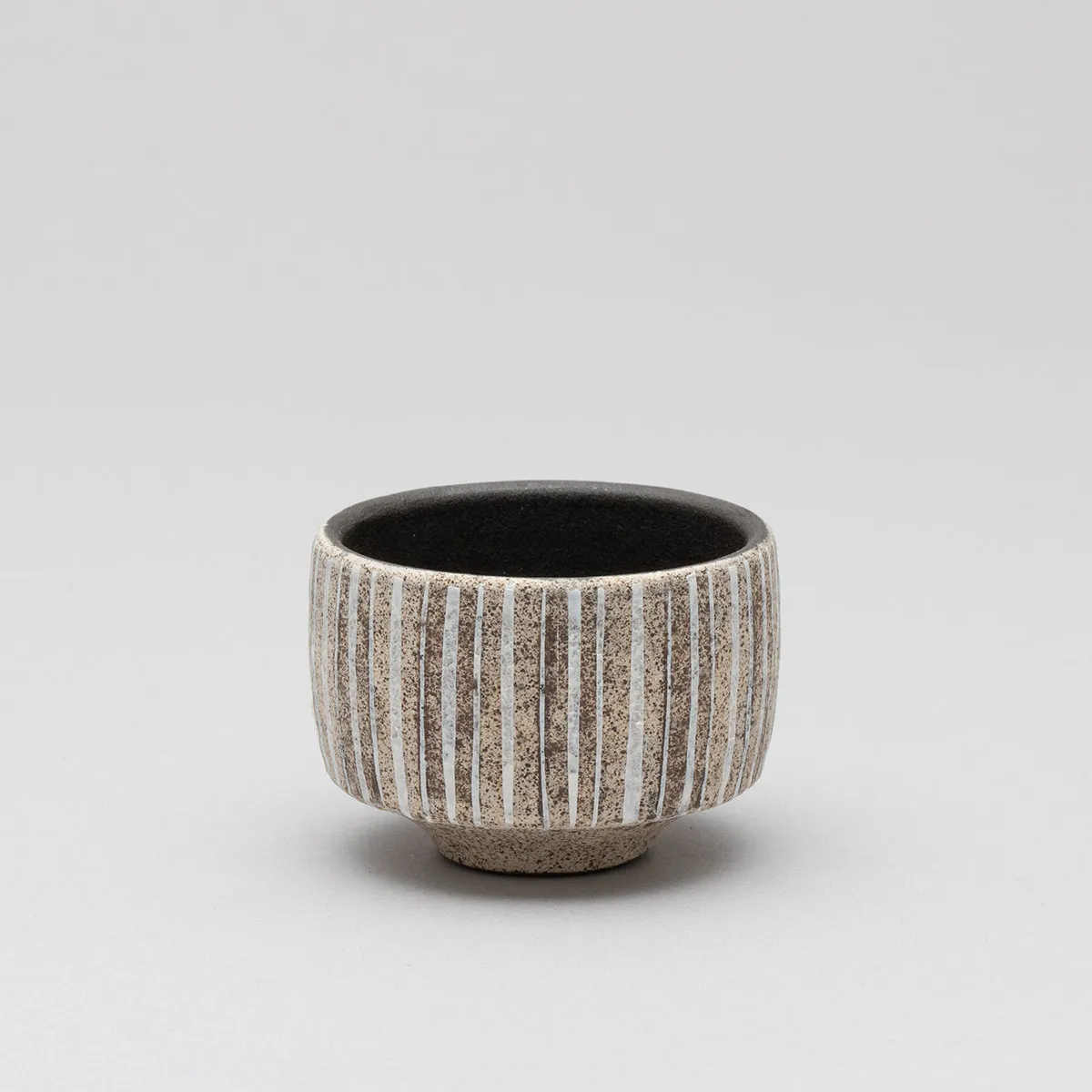
- Artwork Dimensionsø 6.2 × H 4.5 cm
- Shared BoxYes
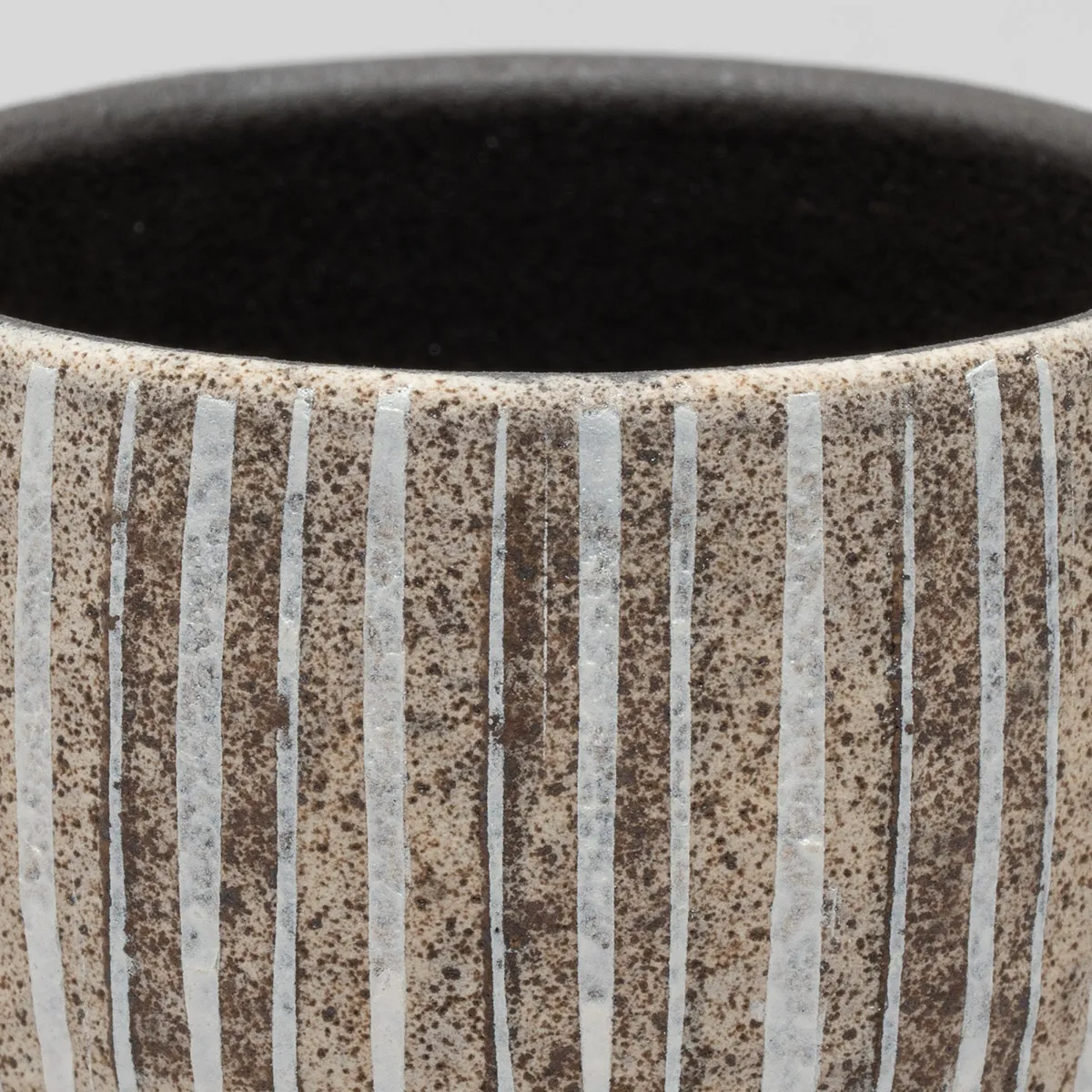
- Materialmumyōi clay
- Technique-
- Artwork ConditionNew, unused
- FormatActual artwork available (with certificate)
- Authenticity Determination DataAvailable
- Storage/Exhibition LocationAsuka Ⅲ
- SellerARTerrace
- Scheduled Shipping Date, etc.Usually ships within 30 business days
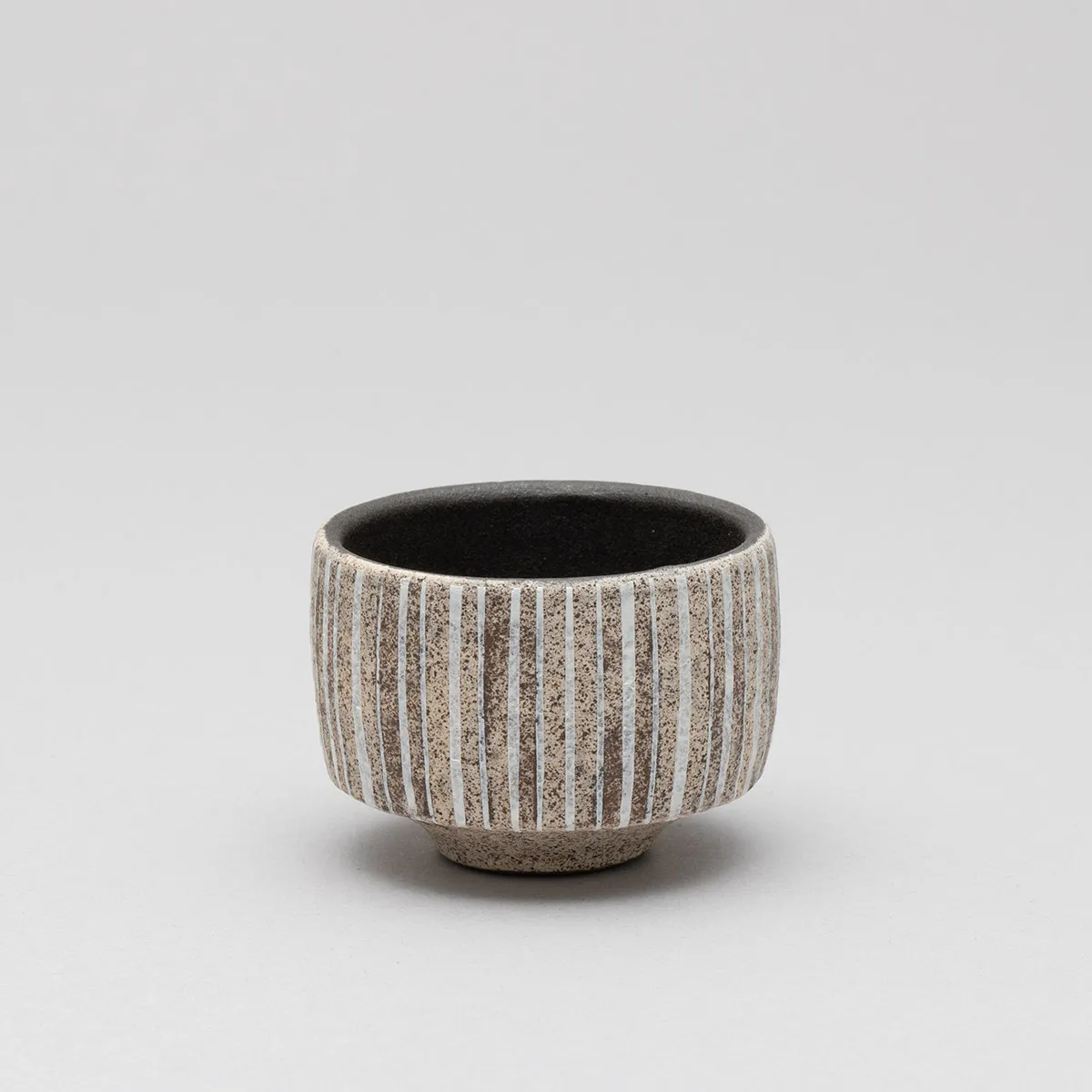
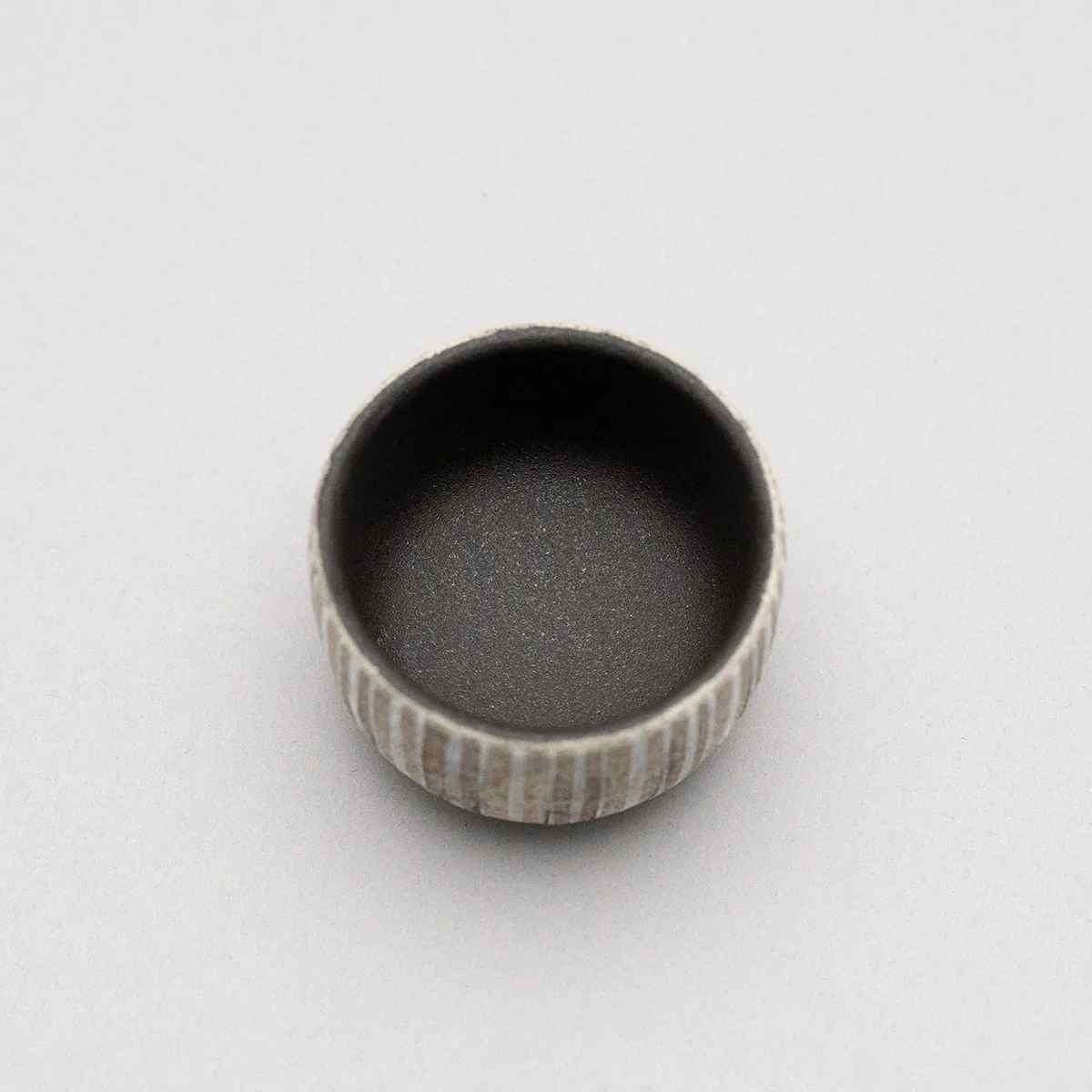
無名異線紋酒盌 | Mumyōi Sake Cup with Lined Design
Bid/purchase currency: Japanese yen
- Year of Production2025
- Artwork Dimensionsø 6.2 × H 4.5 cm
- Shared BoxYes
- Materialmumyōi clay
- Technique-
- Artwork ConditionNew, unused
- FormatActual artwork available (with certificate)
- Authenticity Determination DataAvailable
- Storage/Exhibition LocationAsuka Ⅲ
- SellerARTerrace
- Scheduled Shipping Date, etc.Usually ships within 30 business days
Ito Sekisui VI
Ceramic

- 2005
Selected the Japan Traditional Kogei Art Crafts Exhibition (13 times since then) Selected for the Traditional Kōgei New Works Exhibition (16 times since then)
- 2013
Received Full Member Excellence Award at the Traditional Crafts in Niigata Exhibition (4 times since then) Awarded the Excellence Prize of the Regular Member at Niigata Traditional Kōgei Exhibition
- 2014
Received the Japan Kogei Association Award at the Ceramics Traditional Kōgei Exhibition
- 2015
Awarded a Prize at Japan Ceramic Art Exhibition (5 times since then)
- 2019
Received the Incentive Award at Tobiten Received the Incentive Award at the Traditional Crafts in Niigata Exhibition
- 2021
Received the Japan Kogei Association Award at the Ceramics Traditional Kōgei Exhibition

I make ceramics based on mumyōi clay, which comes from the foot of Sado Gold Mine, a UNESCO nomination site located a five-minute drive from my hometown. Mumyōi ware is a ceramic technique that has been handed down from the late Edo period on Sado Island in Niigata Prefecture. There are two types of clay on Sado Island: red clay containing high ferric oxide content and white clay called nosaka zuchi, both of them are called mumyōi ware in a broad sense. I, Sekisui VI, unlike the red style of the Sekisui V, used Nosaka clay and perfected the hanada (indigo) glaze, in which iron is used as a coloring agent. The modern design of the bowl is covered with the blue glaze, which represents the flow of water. Please appreciate the artworks unlike industrial products, no two pieces are alike.


